- E-mail:BD@ebraincase.com
- Tel:+8618971215294

Chemogenetic tools based on Designer Receptors Exclusively Activated by Designer Drugs (DREADDs) are widely used for regulating neuronal activity. Among them, the excitatory receptor hM3Dq and the inhibitory receptor hM4Di are the most commonly applied. However, their relatively large coding sequences make it difficult to co-express both receptors within a single adeno-associated virus vector due to packaging size limitations. As a result, researchers often rely on separate viral vectors or independent animal cohorts, leading to lower experimental consistency and reduced efficiency — challenges that become even more pronounced in non-human primate studies.
To address this issue, this study developed truncated miniDREADD receptors. The engineered miniDq and miniDi variants are substantially smaller in size while fully preserving the key properties of the original receptors, including membrane localization, ligand selectivity, pharmacological responsiveness, and Gq/Gi coupling specificity. Their downstream calcium, cAMP, and ERK signaling profiles also closely match those of the parent receptors.
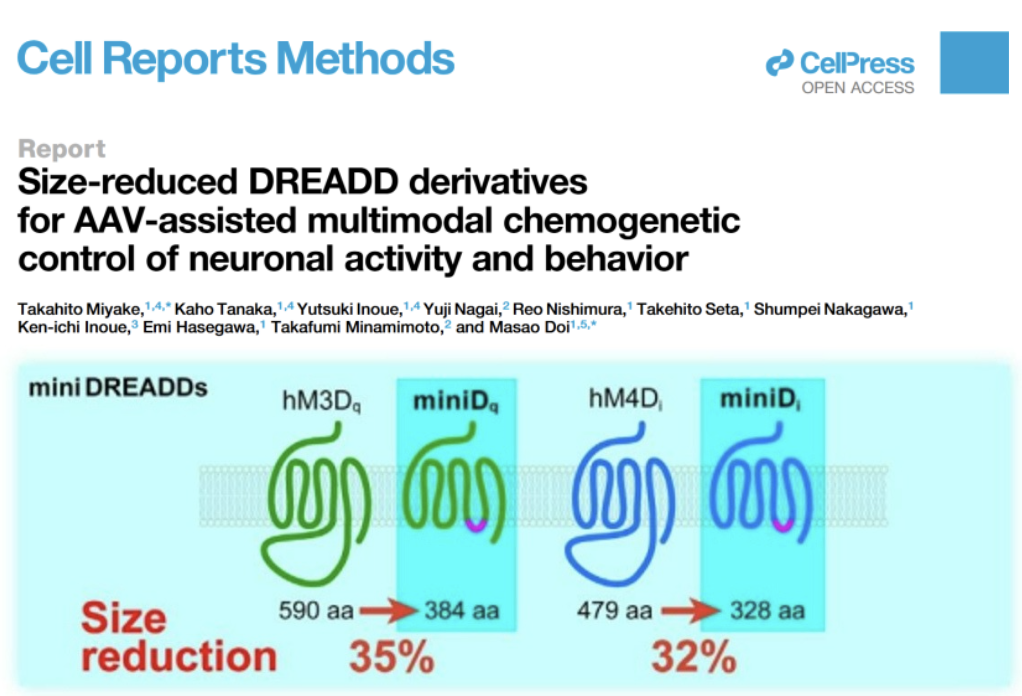
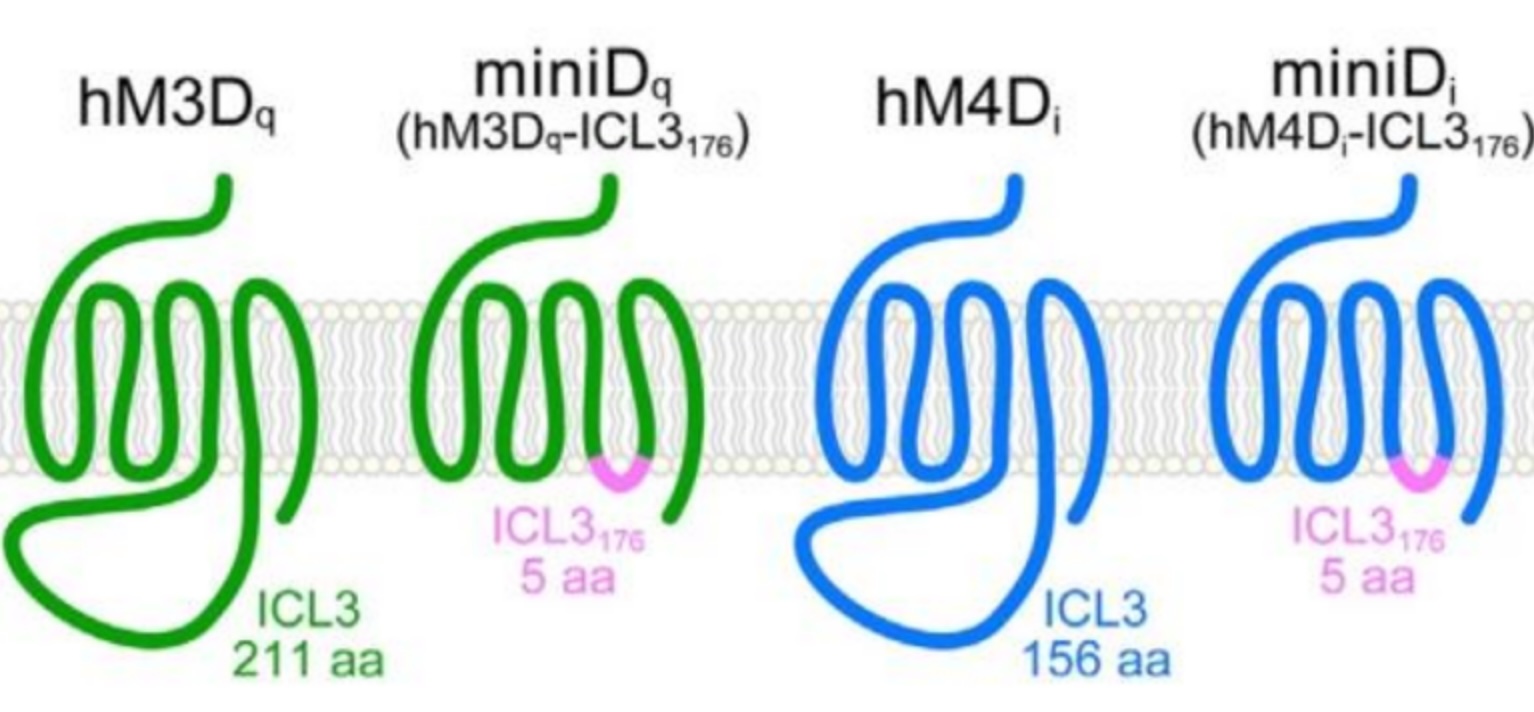
Analysis of 312 human Class A G protein-coupled receptors revealed that the parent receptors of hM3Dq and hM4Di — muscarinic acetylcholine receptors M3 and M4 — contain unusually long third intracellular loops (ICL3), accounting for 36% and 33% of the total protein length, respectively.
To reduce receptor size, the ICL3 regions were replaced with a five-amino-acid peptide sequence (Q-N-T-I-S) derived from hGpr176. The modified receptors retained normal expression and membrane localization in HEK293 cells.
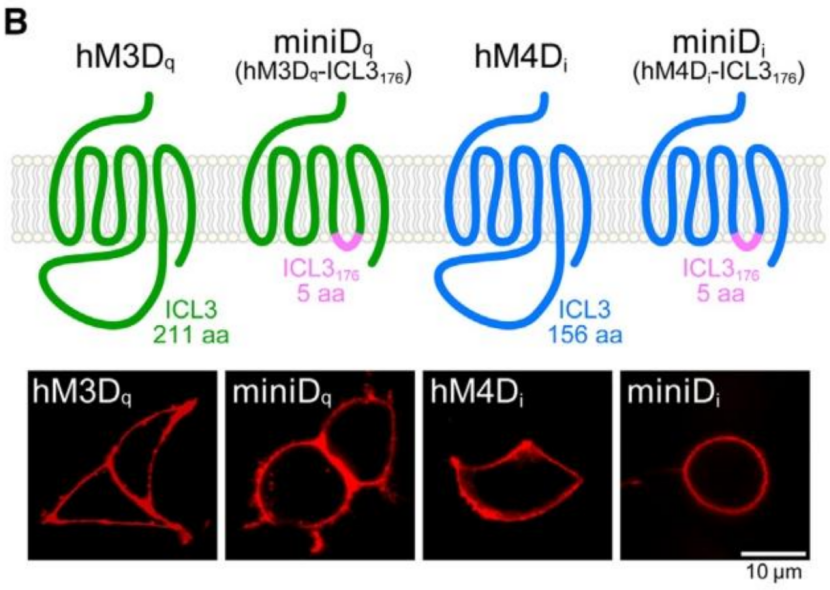
Figure 1. ICL3-truncated DREADD receptors
1. Ligand Sensitivity and Selectivity Remain Unchanged
Ligand responsiveness was evaluated using the PRESTO-Tango β-arrestin recruitment assay. Upon ligand activation, GPCRs recruit β-arrestin, triggering luciferase reporter expression and allowing receptor activation to be quantified.
HEK293 cells were engineered to express DREADD receptors fused with a V2 tail, TEV cleavage site, and tTA, together with β-arrestin2-TEV and a luciferase reporter system. The results showed that hM3Dq-ICL3176 and hM4Di-ICL3176 displayed EC50 values for Compound 21 comparable to those of the wild-type receptors. These modified receptors were subsequently named miniDq and miniDi.
Importantly, neither receptor responded significantly to high concentrations of acetylcholine, indicating that both ligand sensitivity and ligand selectivity were fully preserved.
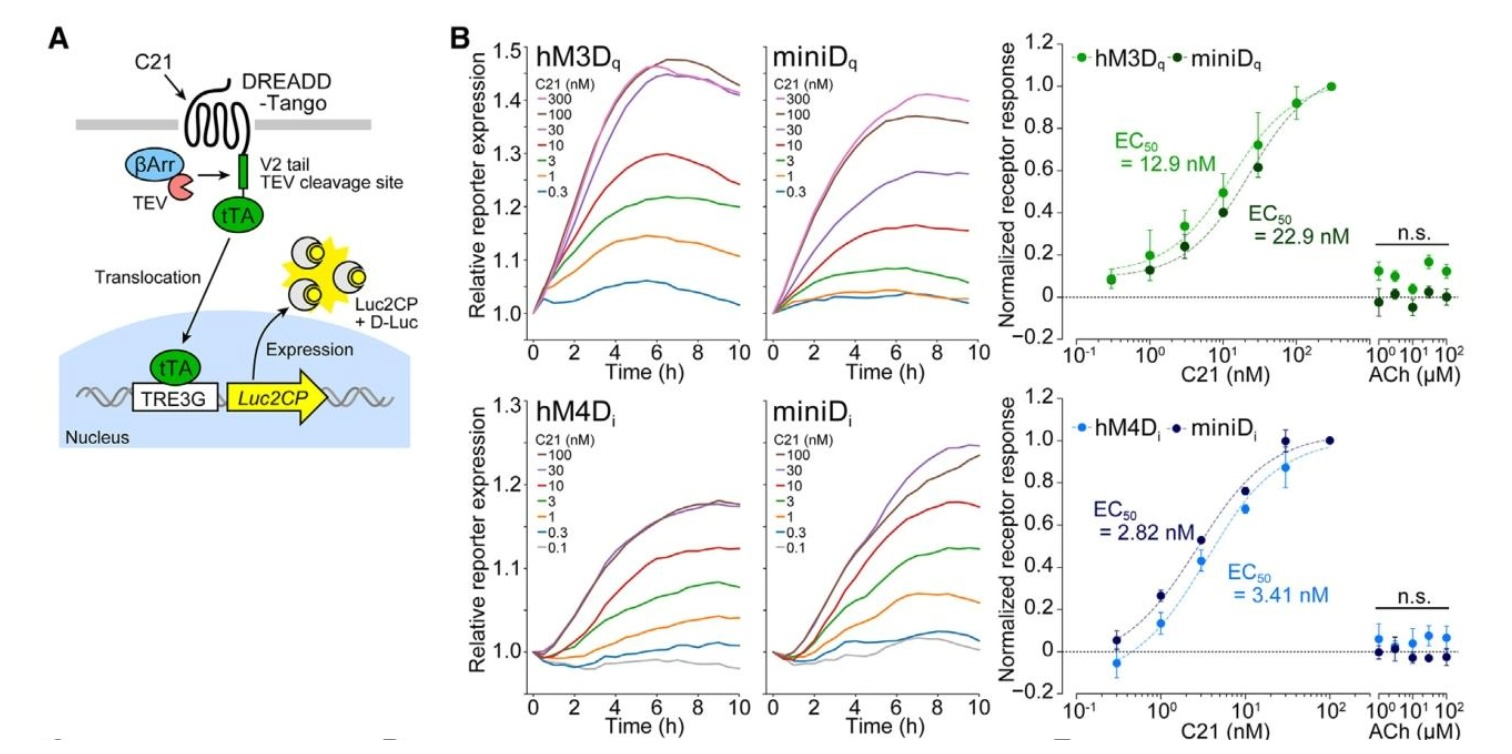
Figure 2. Ligand sensitivity and selectivity of miniDREADDs
2. Downstream Signaling Pathways Closely Match the Original Receptors
Flp-In TREx293 cells, a Tet-On derivative of HEK293 cells, were used to establish stable cell lines expressing hM3Dq, hM4Di, miniDq, or miniDi following doxycycline induction.
Calcium Signaling
Fura-2AM calcium imaging demonstrated that Compound 21 induced a dose-dependent increase in intracellular calcium in hM3Dq-expressing cells. Cells expressing miniDq showed nearly identical responses with no significant differences observed.
In contrast, neither hM4Di- nor miniDi-expressing cells exhibited detectable calcium responses.
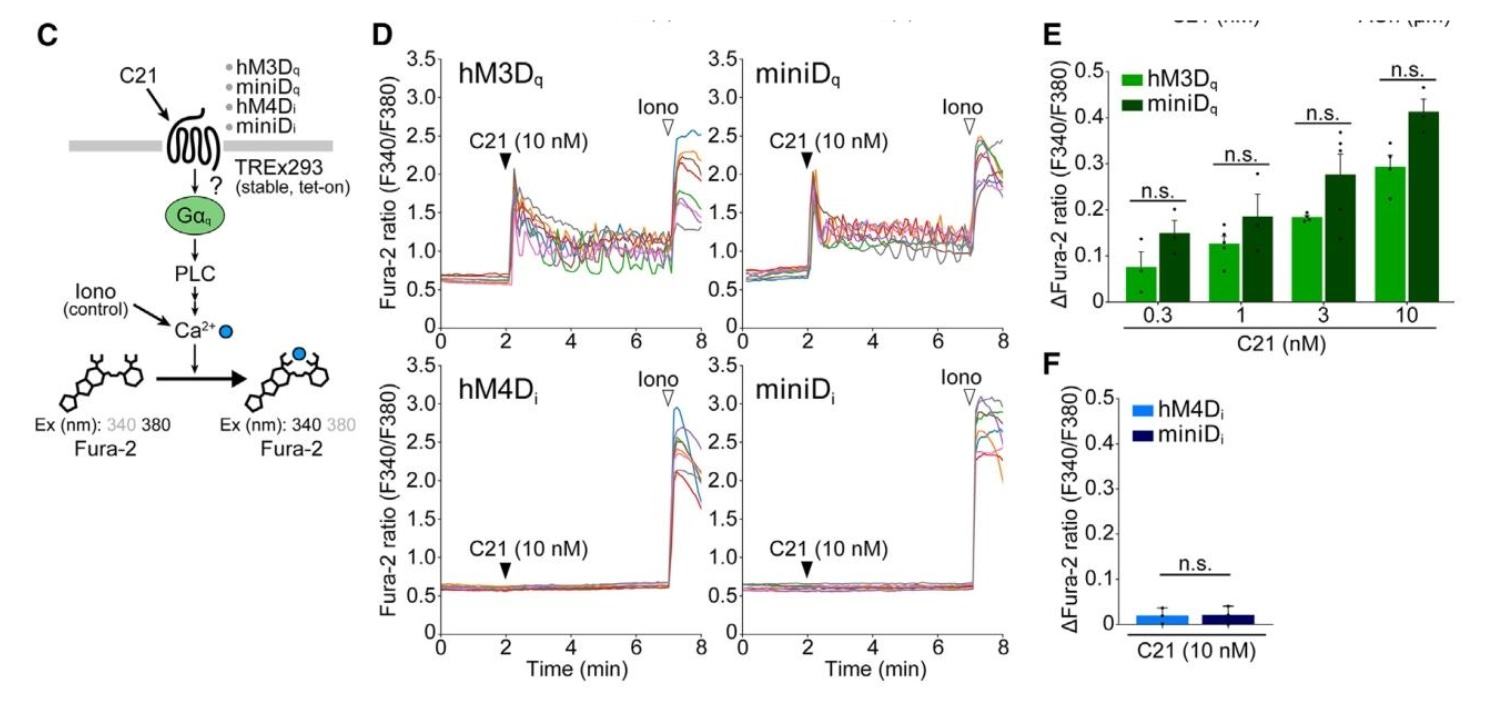
Figure 3. miniDREADDs preserve native calcium signaling characteristics
cAMP Signaling
Consistent with canonical Gq signaling, Compound 21 stimulation did not induce cAMP accumulation in hM3Dq- or miniDq-expressing cells. In comparison, NECA, an agonist of the endogenous Gs-coupled adenosine A2B receptor, markedly increased intracellular cAMP levels.
To evaluate Gi signaling, forskolin was used to elevate intracellular cAMP. Compound 21 produced a concentration-dependent reduction of cAMP levels in both hM4Di- and miniDi-expressing cells, with no significant differences between the two groups, confirming that miniDi retains intact Gi signaling activity.
G12/G13 Signaling
G12/G13 signaling was assessed using an SRF-RE reporter assay. Experiments were performed in Gs/Gαolf-deficient TREx293 cells, with pertussis toxin used to inhibit Gi signaling and FR900359 used to inhibit Gq signaling.
While thrombin strongly activated the PAR1 receptor, Compound 21 treatment did not induce detectable reporter activation in any group. These results indicate that the modified receptors do not acquire abnormal G12/G13 signaling activity and remain functionally consistent with the wild-type receptors.
Basal Activity
The ICL3176 sequence originates from Gpr176, a constitutively active GPCR known to suppress cAMP signaling. To assess basal receptor activity, cAMP levels were measured in the absence of Compound 21 under conditions with or without doxycycline induction following forskolin stimulation.
Only the Gpr176 group showed a significant reduction in cAMP after doxycycline induction, whereas no significant basal activity changes were observed in the other groups.
ERK Phosphorylation
Following Compound 21 treatment, ERK activation levels were comparable across all receptor groups. However, hM4Di exhibited higher basal ERK phosphorylation.
In the absence of Compound 21, doxycycline-induced expression alone significantly increased basal phosphorylated ERK levels in hM4Di-expressing cells, whereas miniDi displayed minimal constitutive activity. This suggests that miniDi has lower background ERK signaling activity than the original receptor.
Overall, miniDREADDs maintain signaling fidelity across calcium, cAMP, and G12/G13 pathways without introducing abnormal downstream activation. Their low basal activity further supports their suitability for both in vitro and in vivo applications.
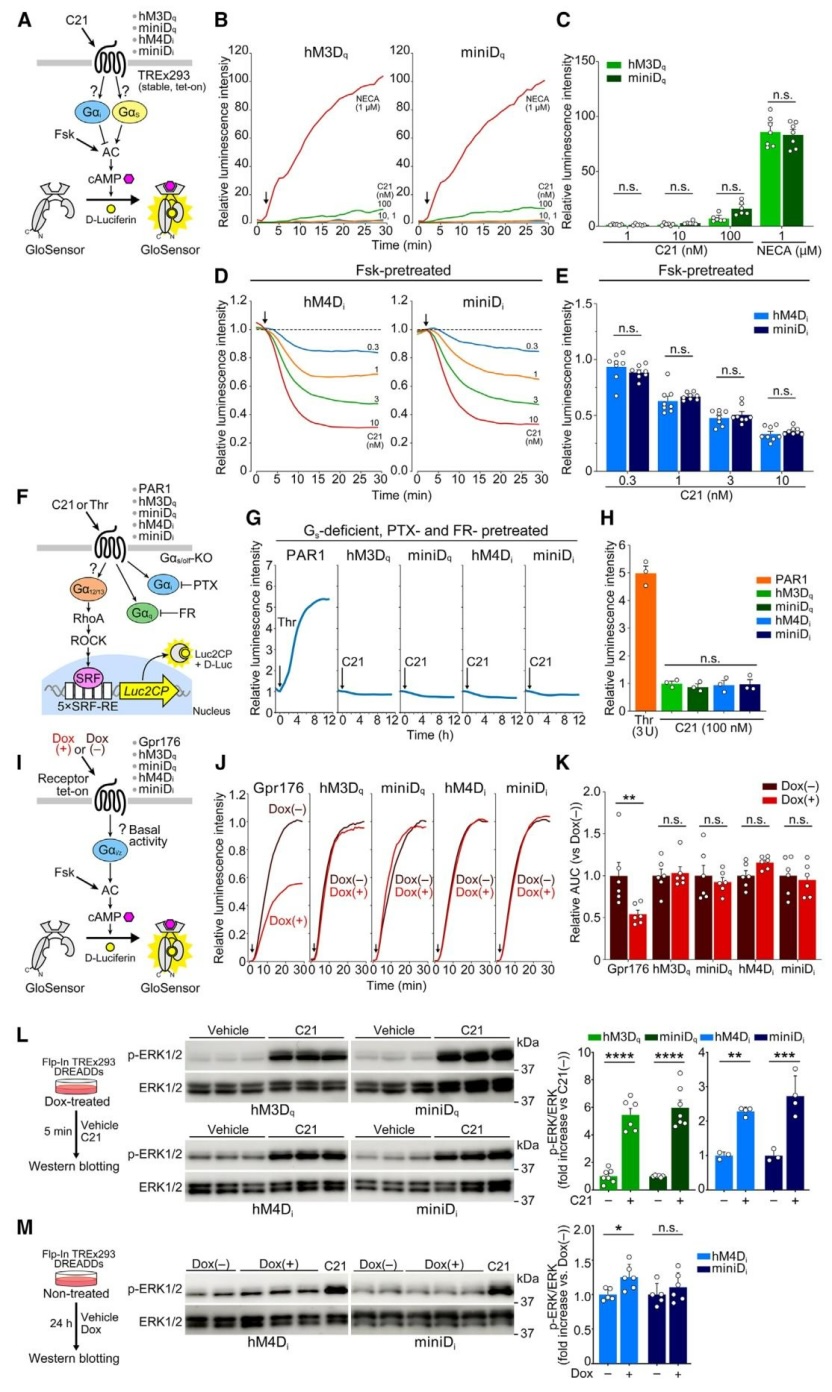
Figure 4. Comparison of downstream signaling between conventional DREADDs and miniDREADDs
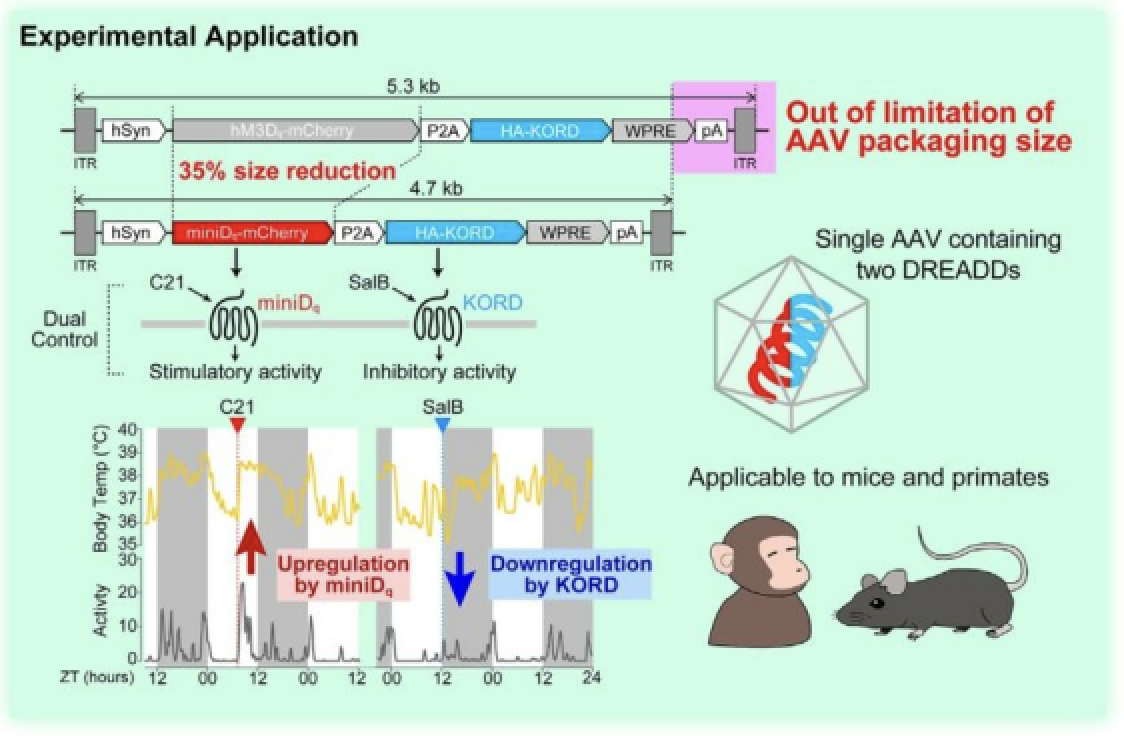
By taking advantage of the compact size of miniDREADDs and the packaging capacity of AAV vectors (<4.7 kb), the researchers constructed a dual-DREADD vector expressing miniDq together with KORD, an inhibitory DREADD derived from the κ-opioid receptor.
The two receptors respond to independent ligands: miniDq is activated by Compound 21, while KORD responds to Salvinorin B. This design enables multiplexed chemogenetic regulation within the same target cell population.
Primary neurons infected with AAV-hSyn-miniDq-P2A-KORD showed co-expression of both receptors by immunofluorescence analysis. Calcium imaging further confirmed that the system could independently activate or inhibit neuronal activity, achieving bidirectional regulation through a single viral vector.
When injected into the dorsomedial hypothalamus of mice, administration of Compound 21 at ZT07 significantly increased body temperature and locomotor activity, whereas Salvinorin B treatment at ZT12 markedly reduced both parameters. These results demonstrate effective bidirectional modulation of neural function in vivo.
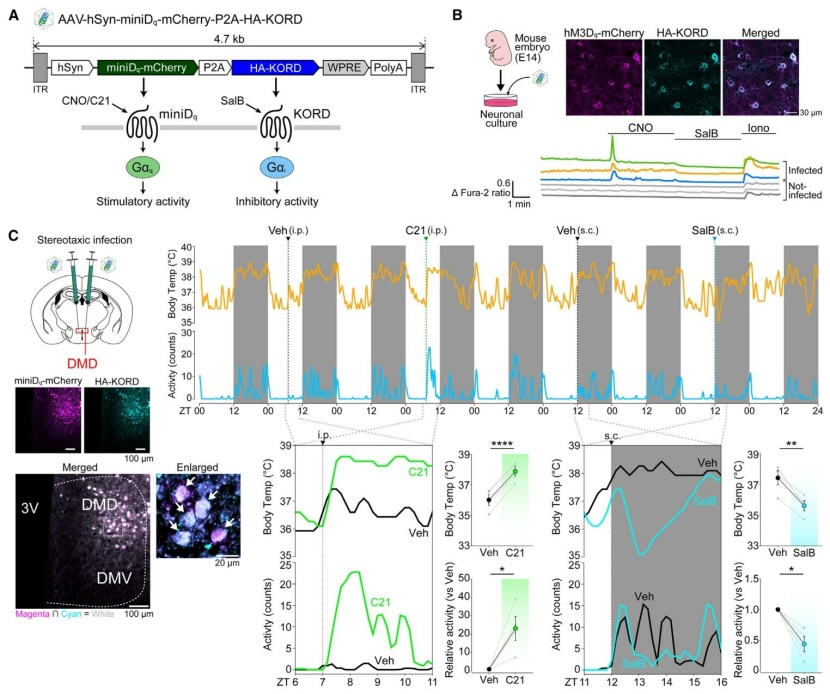
Figure 5. AAV-based dual DREADD system for bidirectional regulation of neuronal activity
To further evaluate in vivo performance, AAV vectors encoding either miniDREADDs or conventional DREADDs were injected into four corresponding regions of the macaque striatum.
Positron emission tomography imaging using [¹¹C]DCZ revealed comparable receptor expression levels between groups. DCZ is a commonly used ligand for activating hM3/hM4-based DREADDs in primates.
Additional in vitro assays, including Tango assays, calcium imaging, cAMP measurements, and ERK phosphorylation analysis, confirmed that DCZ effectively activates both miniDq and miniDi.
Following DCZ administration, increased [¹⁸F]FDG uptake was observed only in regions expressing miniDq or hM3Dq, indicating neuronal activation. Regions expressing miniDi or hM4Di showed no significant metabolic changes, demonstrating that miniDREADDs preserve the functional characteristics of conventional DREADDs in primate brains.
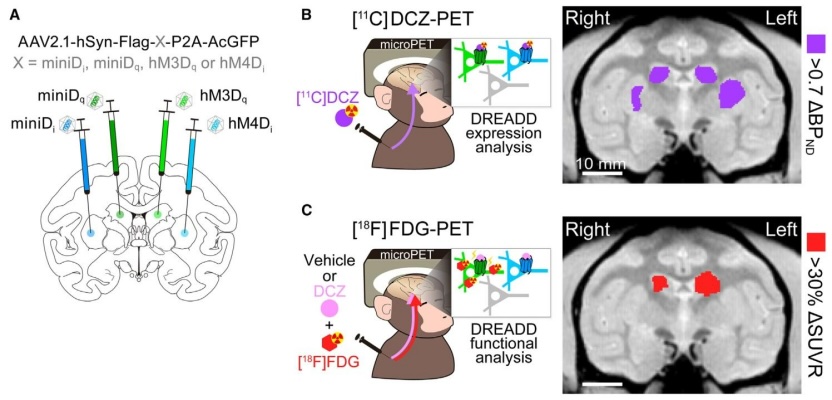
Figure 6. PET imaging of miniDREADD expression and function in macaques
This study introduces a compact miniDREADD platform that retains the functional properties of conventional DREADDs while significantly reducing receptor size. The system enables bidirectional neural regulation within a single AAV vector through the miniDq-P2A-KORD design and has been successfully validated in rodents and non-human primates.
These miniaturized chemogenetic tools provide a more flexible and practical solution for neuroscience research.
| Application | Catalog No. | Product Name |
| Bidirectional Neural Regulation | BC-4055 | rAAV-hSyn-miniDq-mCherry-P2A-HA-KORD |
For additional custom vector services, please contact the bd@ebraincase.com for more information.


WhatsApp Business Account
Address:-
Address:-