III. Construction Methods (Common Strains)
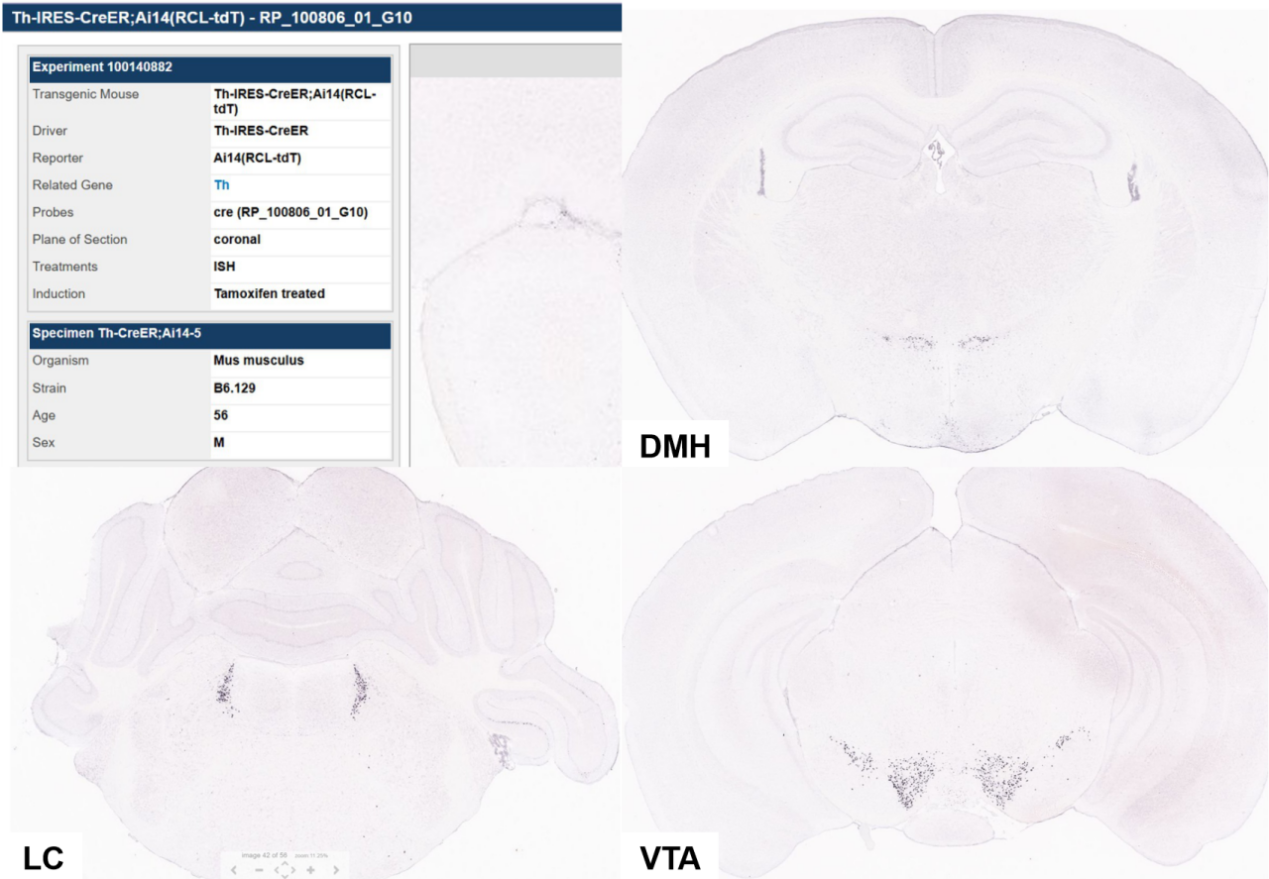
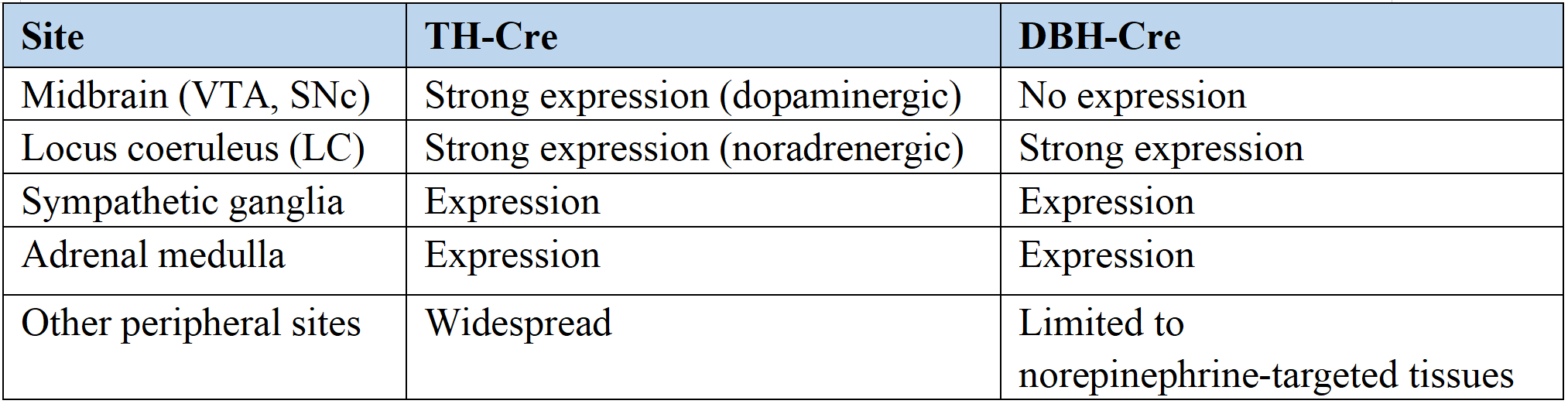
🔹TH-Cre: Typically Th-IRES-Cre knock-in, where Cre is expressed under the control of the endogenous TH promoter, covering all catecholaminergic neurons.
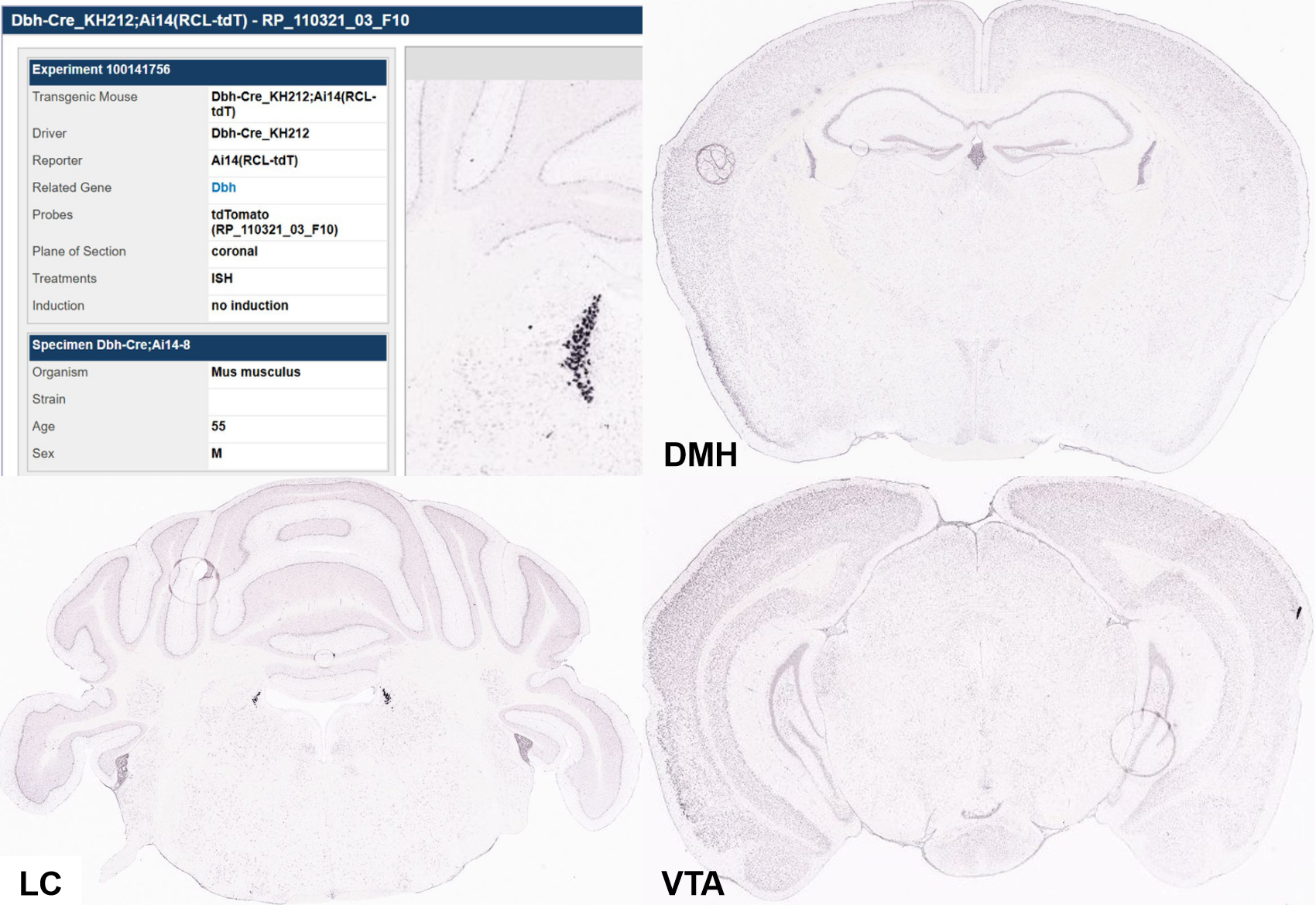
🔹DBH-Cre: Typically Dbh-IRES-Cre knock-in or bacterial artificial chromosome (BAC) transgenic, where Cre strictly follows the DBH expression profile, labeling only noradrenergic/adrenergic neurons.
IV. Research Application Scenarios
1. Choosing TH-Cre
🔹Study the combined regulation of dopaminergic + noradrenergic systems (e.g., emotion, reward, movement).
🔹Models for Parkinson's disease (dopaminergic in SNc), depression (LC + VTA), addiction, etc.
🔹Requires simultaneous manipulation of both types of catecholaminergic neurons.
2. Choosing DBH-Cre
🔹Specific study of the noradrenergic system (eliminating dopaminergic interference).
🔹Function of the locus coeruleus (LC), stress, autonomic nervous regulation, peripheral sympathetic nervous system.
🔹Norepinephrine-related diseases (e.g., hypertension, anxiety, pain regulation).
V. Summary
🔹TH-Cre = Pan-catecholaminergic (dopaminergic + noradrenergic)
🔹DBH-Cre = Noradrenergic/adrenergic only (non-dopaminergic)
References
1.Savitt JM, Jang SS, Mu W, Dawson VL, Dawson TM. Bcl-x is required for proper development of the mouse substantia nigra. J Neurosci. 2005;25(29):6721-6728.
2. Tillage RP, Sciolino NR, Plummer NW, et al. Elimination of galanin synthesis in noradrenergic neurons reduces galanin in select brain areas and promotes active coping behaviors. Brain Struct Funct. 2020;225(2):785-803.
3. Runegaard AH, Jensen KL, Fitzpatrick CM, et al. Preserved dopaminergic homeostasis and dopamine-related behaviour in hemizygous TH-Cre mice. Eur J Neurosci. 2017;45(1):121-128.
4. Stuber GD, Stamatakis AM, Kantak PA. Considerations when using cre-driver rodent lines for studying ventral tegmental area circuitry. Neuron. 2015;85(2):439-445.
5. Lammel S, Steinberg EE, Földy C, et al. Diversity of transgenic mouse models for selective targeting of midbrain dopamine neurons. Neuron. 2015;85(2):429-438.