- E-mail:BD@ebraincase.com
- Tel:+8618971215294

Recombinant baculovirus is widely used for the expression of recombinant proteins in cultured insect cells and mammalian cells. It is one of the most flexible and efficient systems in the field of eukaryotic recombinant protein expression, especially suitable for scenarios where the maintenance of eukaryotic-specific post-translational modifications is required.
Brain Case has developed a series of proprietary technologies and supporting reagents, which have significantly optimized the preparation process of recombinant baculovirus in terms of key indicators such as viral titer, purity, viability and consistency. With stable and reliable product quality and professional services, we have accumulated a large number of highly satisfied customers, all of whom continuously choose us for baculovirus vector cloning and viral packaging services.
Baculovirus strain: AcMNPV (Autographa californica multicapsid nucleopolyhedrovirus)
The recombinant baculovirus of our company is stored in DPBS buffer and shipped on dry ice. After receiving the product, it is recommended to store it under the following conditions:
•Long-term storage: -80°C environment, which can be stably stored for at least 6 months;
•Short-term use (within 1 week): -20°C environment;
•Please avoid repeated freeze-thaw cycles of the virus, as this will lead to a significant drop in titer.
Baculovirus production process
The baculovirus transfer plasmid carrying the gene of interest (GOI) is co-transformed with a helper plasmid expressing Tn7 transposase into the bacterial host containing the empty baculovirus shuttle vector (also known as bacmid) to construct a recombinant bacmid; the recombinant bacmid is then transfected into insect Sf9 cells. After short-term culture, viral particles are harvested from the culture medium and concentrated and purified by sucrose cushion centrifugation. Viral titer is determined by qPCR method.
Quality Control
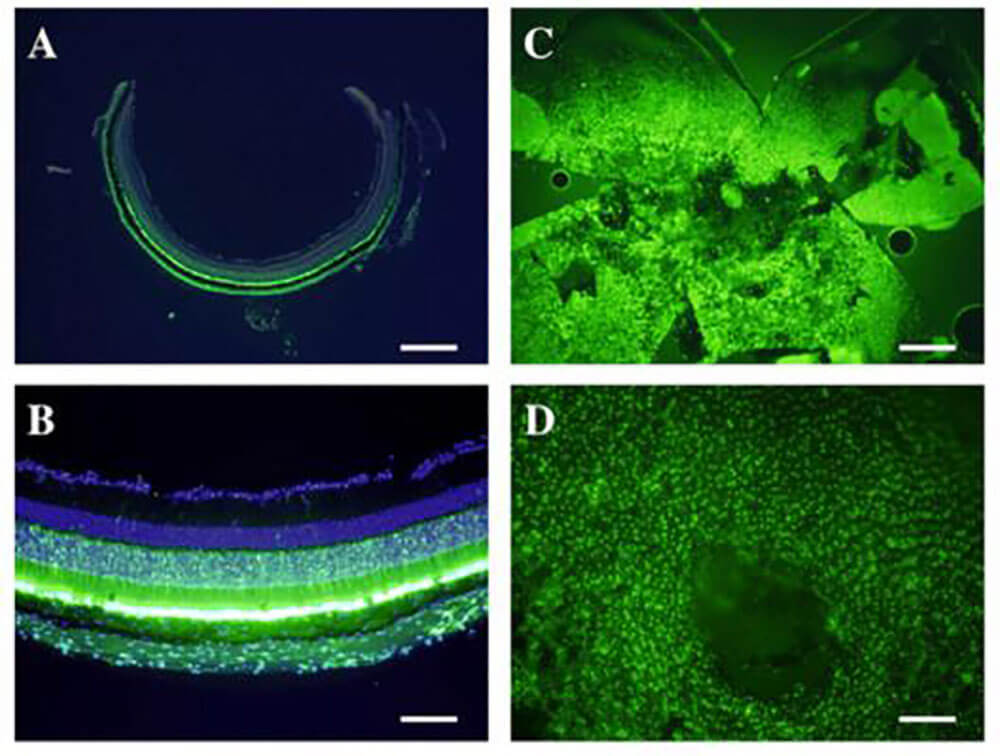
Every batch of recombinant baculovirus produced by Braincase undergoes strict quality control, including: viral titer detection, sterility testing for bacteria and fungi, and mycoplasma detection; if the transfer vector carries a fluorescent protein gene, additional detection of fluorescent signals after viral infection of cells will be performed to ensure product qualification.
If you're interested in the modification and application of VSV, please click on the small window in the bottom right corner or send an email to BD@ebraincase.com to contact us.


WhatsApp Business Account
Address:-
Address:-