Are you curious about why the seemingly tiny circular DNA in the lab is at the core of genetic engineering? It’s the star of today’s discussion—plasmids!
What is a plasmid?
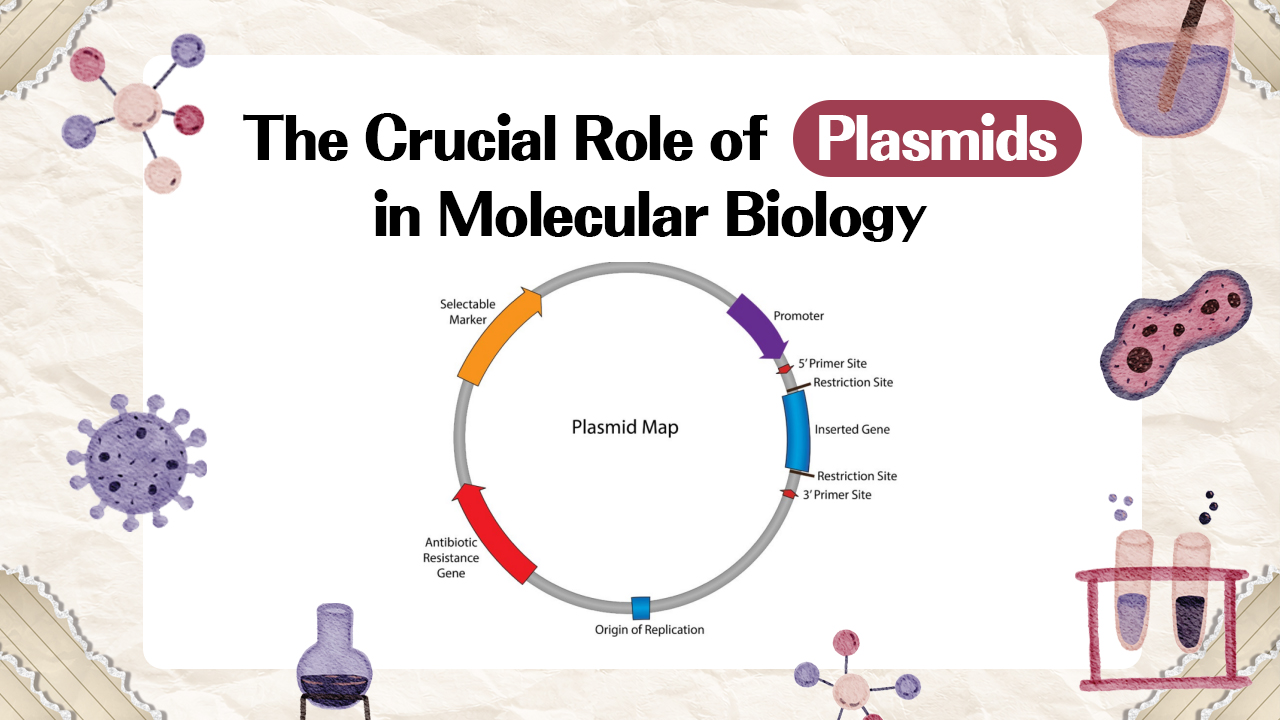
In simple terms, a plasmid is a circular double-stranded DNA molecule found in bacterial cells, independent of the chromosomal DNA. It acts as a "mini genetic element" naturally carried by bacteria. While not essential for bacterial survival, it has "special skills"—it can replicate independently, be stably inherited, and even transfer between bacteria. Plasmids are natural carriers for molecular biology research.
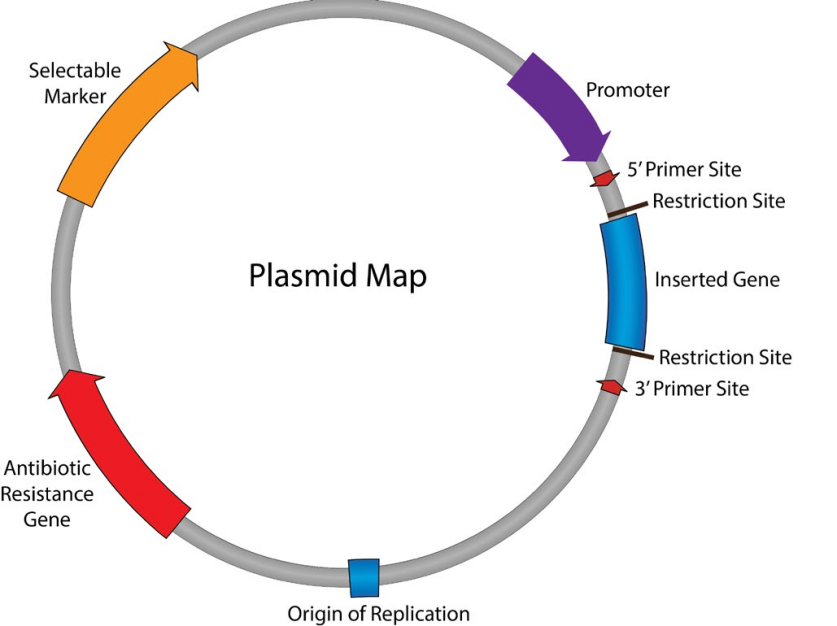
Figure 1: Diagram of a plasmid
Plasmid's Core "Superpowers"
1. Self-replication:
Plasmids carry their own origin of replication, allowing them to amplify independently within the bacteria. A single plasmid can produce dozens to hundreds of copies, enabling “mass production” of genes.
2. Gene Carrying:
By using techniques like restriction enzyme digestion and ligation, target genes can be "inserted" into plasmids to create recombinant plasmids. This allows for gene cloning, expression, or editing.
3. Selectable Markers:
Plasmids often carry antibiotic resistance genes (such as ampicillin or kanamycin resistance). After transformation, only the cells containing the plasmid can survive on media containing the corresponding antibiotic, making it easy to quickly select positive clones.
Plasmid Vector Elements
In contrast, plasmids used in the lab are typically artificially constructed with the purpose of introducing foreign DNA into other cells. An artificially constructed plasmid usually contains at least three elements: an origin of replication, a selectable marker, and a multiple cloning site. Plasmids are easy to modify and can replicate autonomously within cells, making them an ideal tool for life science researchers and bioengineers.
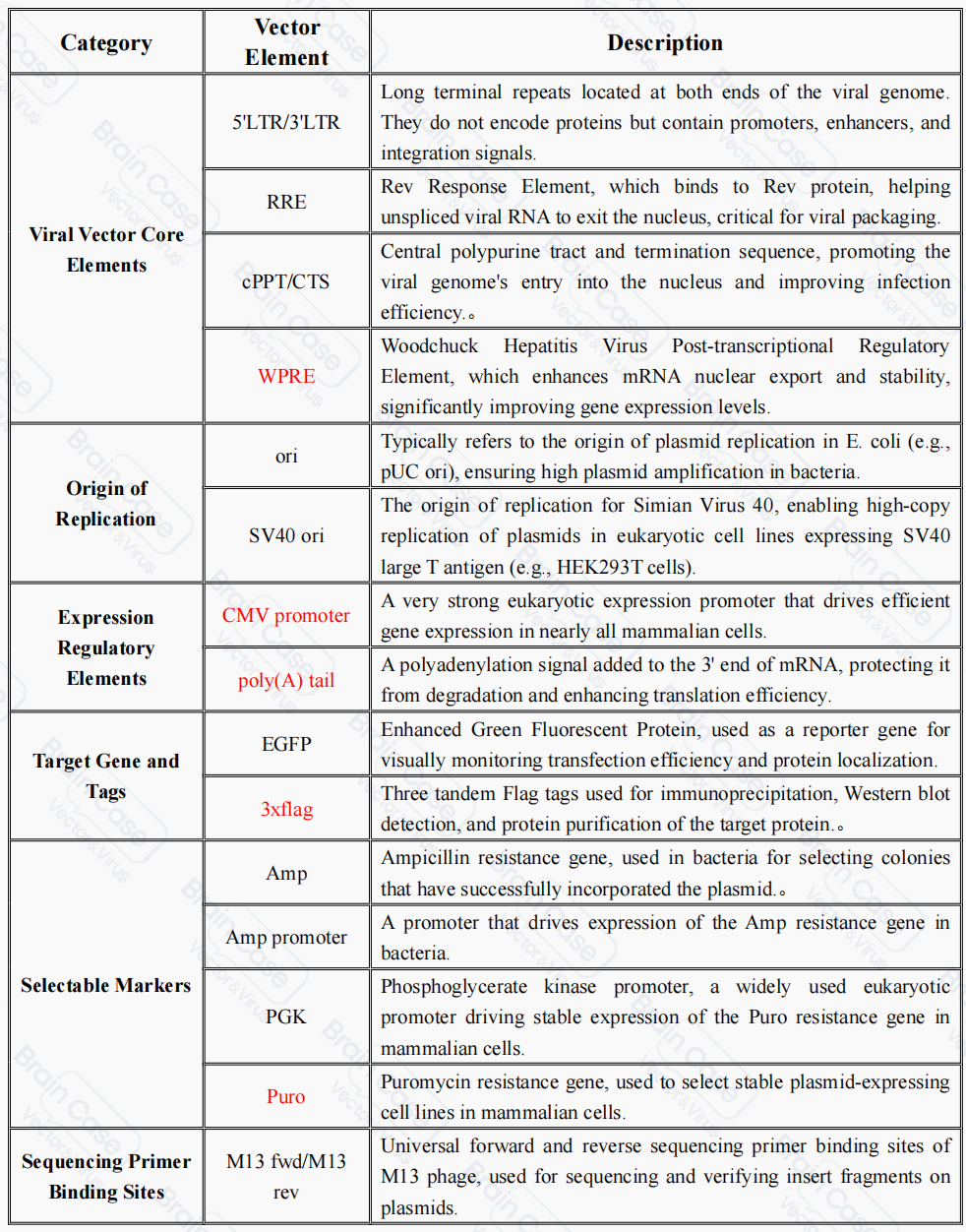
 Figure 2: Example of a lentiviral plasmid map
Some Common Plasmid Elements
How Are Plasmids Constructed in the Lab?
Since they are artificially designed, laboratory plasmids are often referred to as vectors or constructs. To insert a target gene into a vector, researchers can use various cloning methods (such as restriction enzyme digestion, ligation-independent cloning, Gateway cloning, Gibson assembly, etc.). The choice of cloning method ultimately depends on the plasmid vector being used.

Figure 3: Plasmid Ligation
Regardless of the method used, once the cloning steps are complete, the vector carrying the target gene is transformed into bacterial cells and selectively cultured on plates containing antibiotics.

Figure 4: Plasmid Transformation
Importantly, the bacteria used for plasmid extraction grow rapidly and replicate plasmids in large quantities during proliferation, enabling researchers to easily obtain large amounts of high-purity plasmids for subsequent experimental operations.
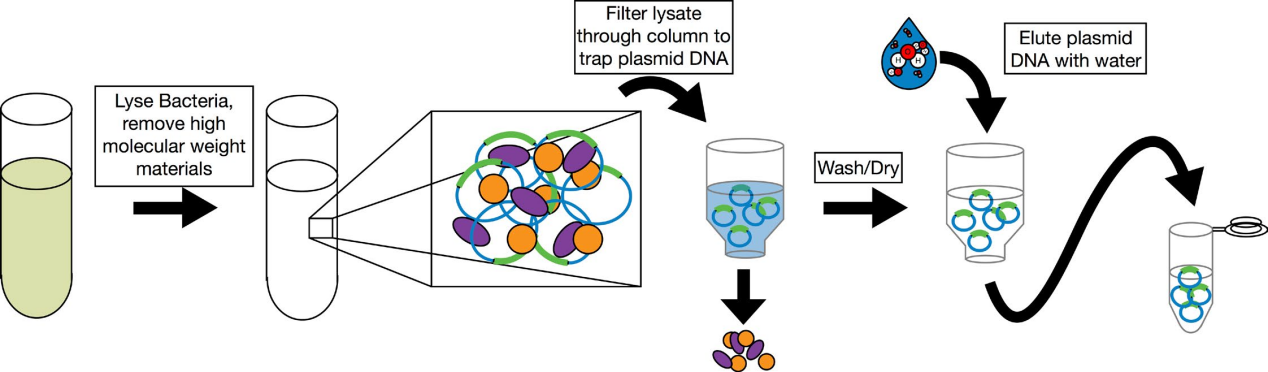
Figure 5: Plasmid Purification
How Do Scientists Use Plasmids?
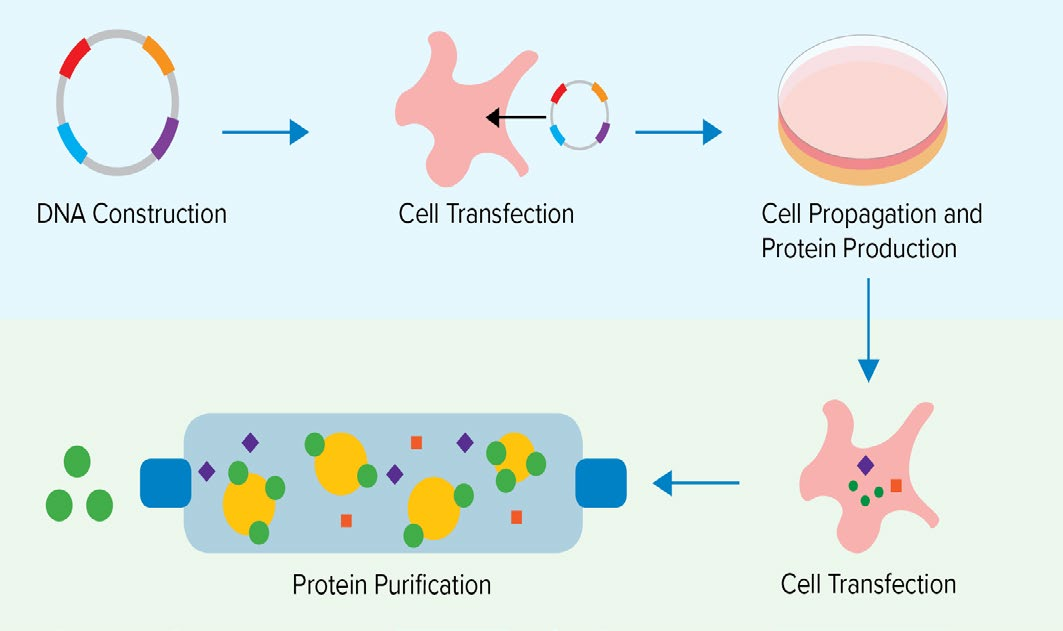
In general, scientists use plasmids to regulate gene expression in target cells. Plasmids are flexible, versatile, safe, and cost-effective, which is why they are widely used by molecular biologists in various types of research. Common types of plasmids include cloning plasmids, expression plasmids, gene knockdown plasmids, reporter plasmids, viral plasmids, and genome editing plasmids, among others.
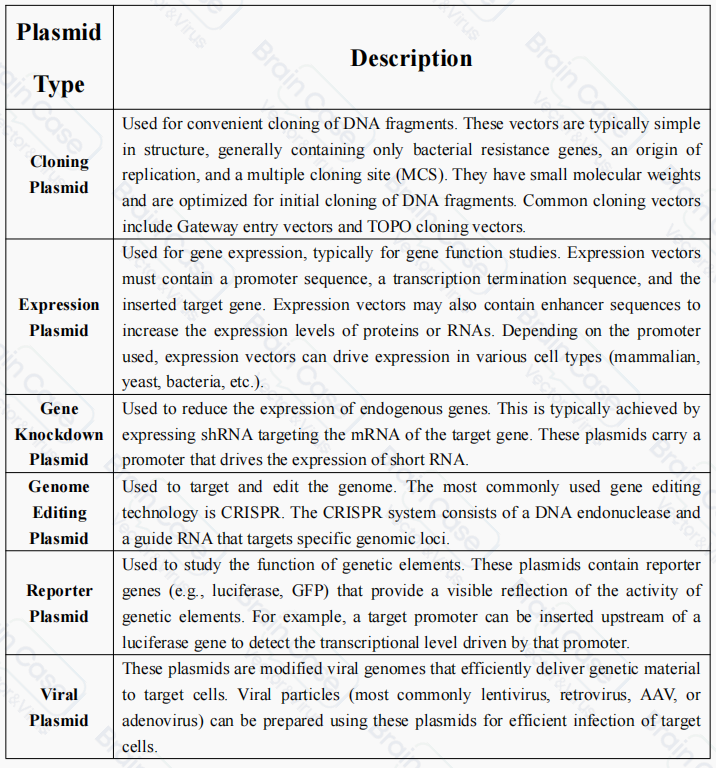
Main Uses of Plasmids
💠Large-scale production of a specific protein: This allows researchers to purify and study the protein under controlled conditions.
💠Expression of fluorescent proteins: Used to track the localization and expression levels of proteins within cells.
💠Detection of specific chemicals: Plasmids can be used to monitor the levels of certain chemicals in specific environments.
💠Expression of specific enzymes: Enables precise and controllable editing of an organism's genome.
💠Construction of synthetic viruses: Used for research or therapeutic purposes.
Summary
From gene cloning and protein expression to the development of gene editing tools (such as CRISPR plasmid vectors), and from vaccine development to disease treatment (such as gene therapy plasmids), plasmids play a crucial role throughout molecular biology experiments. Without them, many seemingly complex experiments would become "castles in the air."
The tiny plasmid hides great secrets of molecular biology. It is not only a fundamental tool in the lab but also the "invisible force" driving the advancement of life sciences. The next time you encounter a small problem related to plasmids in your experiments, consider revisiting their core properties—the answer might just lie within!
Reference: Addgene Educational Resources