- E-mail:BD@ebraincase.com
- Tel:+8618971215294

Viruses are usually associated with infection and disease. In molecular biology, however, they have become some of the most efficient gene delivery tools available. These engineered systems—commonly called viral vectors—now play central roles in gene therapy, cell engineering, and neuroscience research.
A "tool virus" refers to a virus that has been genetically engineered to serve as a vehicle for delivering or regulating genes. The most common types include AAV (adeno-associated virus), lentivirus, adenovirus, and others. Their core purpose: to deliver exogenous genes into target cells precisely, safely, and efficiently—and to enable long-term expression.
Viruses are structurally simple particles composed of a genetic genome enclosed within a protein shell known as the capsid, and some viruses additionally possess an outer lipid envelope decorated with surface proteins. Most viruses range from 20 to 260 nanometers in size and can only be visualized under an electron microscope. Due to their minimal structure and inability to replicate independently, whether viruses should be considered living organisms remains a subject of debate. Despite this simplicity, viruses are highly efficient biological delivery systems. They infect host cells by introducing their genetic material, which is then replicated and expressed using the host cell’s own molecular machinery. This natural gene delivery capability forms the foundation for the development of viral vectors in modern biomedical research.

Figure 1. Non-enveloped virus (left) vs. enveloped virus (right)
Viruses employ diverse replication strategies. Their genomes can be double-stranded or single-stranded, DNA or RNA:
-DNA genome viruses: Follow the central dogma (DNA → mRNA → protein), sometimes with replication intermediates
-RNA genome viruses: May be directly translated or require reverse transcription first
-Retroviruses: Reverse-transcribe their RNA genome into DNA before transcription and translation
Here's a quick comparison of the most common viral vectors used in research:
Table 1. Comparison of common viral vectors used in biomedical research
The natural ability of viruses to enter cells and deliver genetic material makes them attractive tools for molecular biology. Modern viral vector engineering focuses on retaining this delivery capability while minimizing pathogenicity and replication potential.
Viral vectors are engineered from these natural systems by removing replication-essential genes while retaining only the gene of interest and the regulatory elements required for expression and packaging. As a result, the engineered particles lose the ability to independently generate new infectious viruses, while preserving their highly effective gene delivery capability for research and therapeutic applications.
Let's look at two classic examples:
-AAV Vectors
Wild-type AAV carries two essential genes: rep (replication) and cap (capsid protein). In engineered AAV vectors, both are removed—only the inverted terminal repeats (ITRs) are retained, and the gene of interest is inserted. Without rep and cap, the vector cannot self-replicate; it requires helper plasmids in the lab for packaging. The result: a safe, single-round delivery vehicle. The packaging capacity reaches ~4.3 kb of transgene, sufficient for most research and clinical applications.
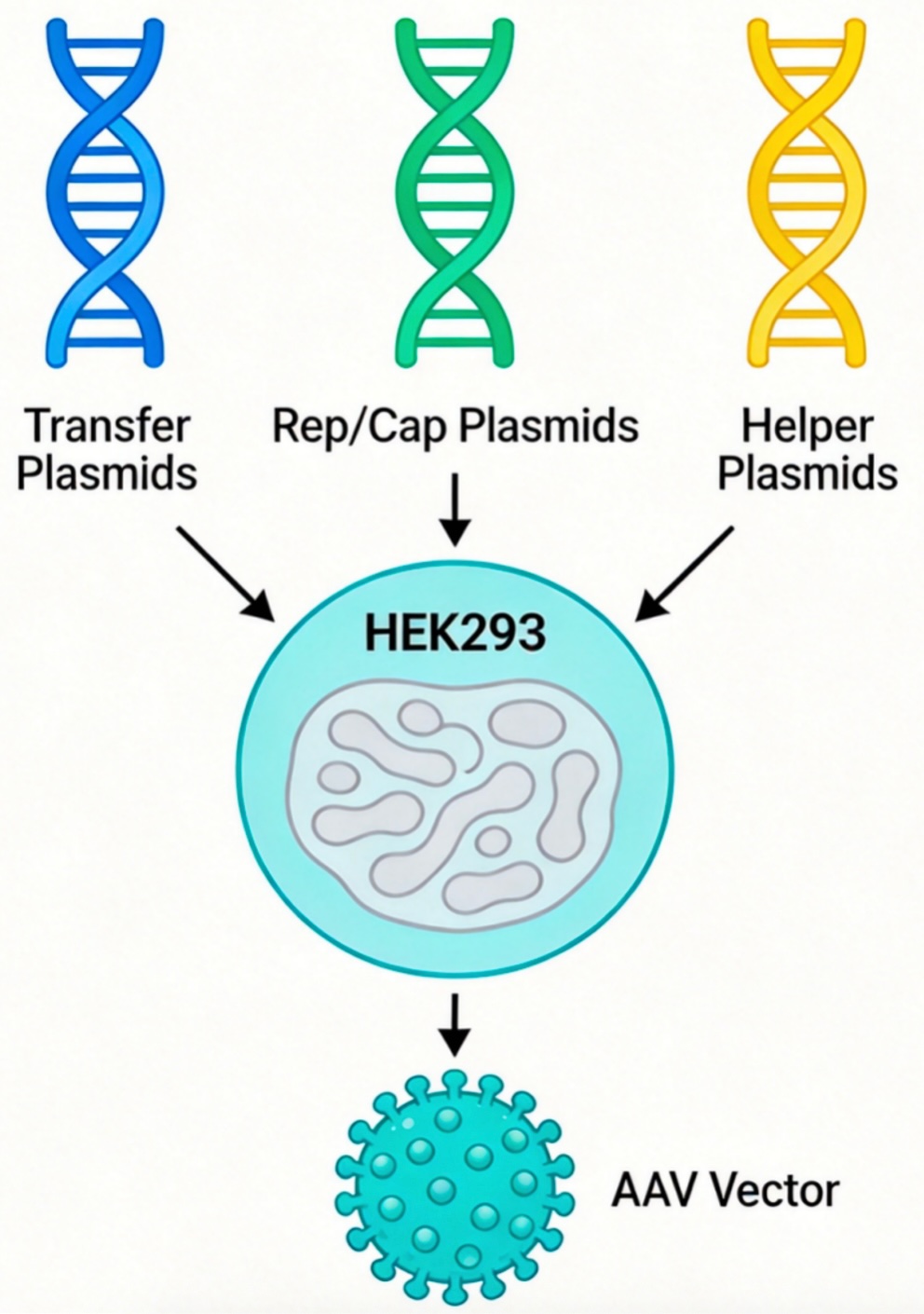
Figure 2. AAV packaging — the three-plasmid system
-Lentiviral Vectors
Wild-type lentivirus carries gag, pol, env, and rev—all essential for replication. In the vector, these are all removed, leaving only LTR sequences and packaging signals with the transgene inserted. The envelope protein (typically VSV-G for broad tropism) is provided separately. The vector can only be assembled when co-transfected with packaging plasmids, ensuring safety while enabling a larger cargo capacity (~8 kb).
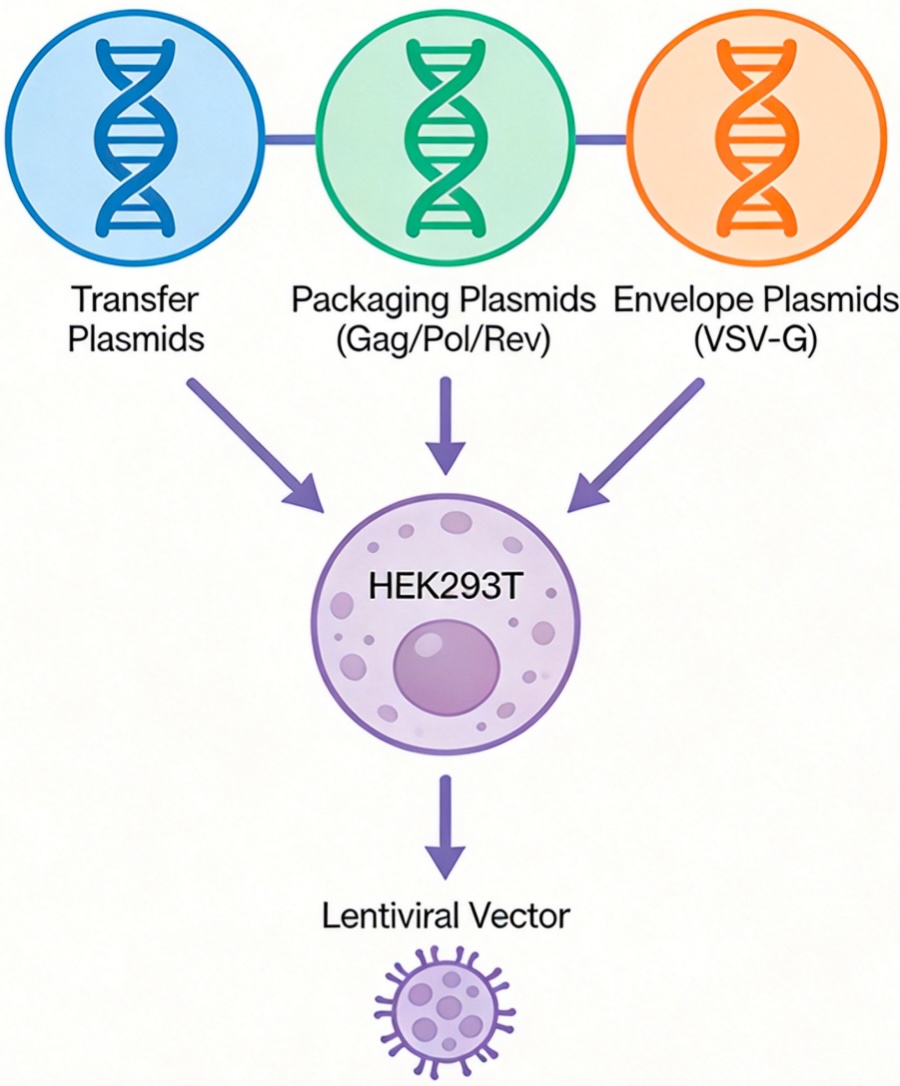
Figure 3. Lentiviral packaging — the three-plasmid system
1. Gene Therapy: Patching Defective Genes
Many genetic and rare diseases are caused by faulty genes. Viral vectors act as precision couriers, delivering functional gene copies to replace defective ones. AAV-based therapies have already achieved single-dose, long-term cures for conditions like hemophilia, spinal muscular atrophy (SMA), and congenital blindness.
2. Cell Therapy: Engineering Immune Cells Against Cancer
The most prominent example is CAR-T cell therapy. Lentiviral vectors deliver chimeric antigen receptor genes into patient T cells, equipping immune cells with "targeting radar" to identify and destroy cancer cells. Viral vectors are the critical gene-loading tool throughout the entire cell therapy workflow.
3. Neuroscience: Lighting Up the Brain, Decoding Behavior
The brain's circuits are complex and difficult to probe. Viral vectors enable precise labeling and modulation of specific neurons—neural tracing, optogenetics, chemogenetics, calcium imaging—all powered by the precision of viral delivery. This is how we decode the mechanisms behind memory, emotion, movement, feeding, and sleep.
4. Disease Modeling: Building Research Subjects Fast
Instead of waiting months for transgenic animals, researchers can use viral vectors to deliver disease-associated genes directly, rapidly and cost-effectively constructing mouse or rat disease models for drug screening and mechanistic studies.
5. Basic Research: The Universal Gene Function Tool
Want to know what a gene does? Use a viral vector to deliver it into cells—overexpress, knock down, or knock out—and observe the effects. It's the most common and efficient approach for studying gene function, signaling pathways, and protein interactions.
6. Vaccine Development: Safe and Potent Antigen Delivery
Engineered viral vectors can carry pathogen antigen genes without causing disease, yet still elicit strong immune responses. They are widely used in infectious disease and cancer vaccine development, offering rapid response, high safety, and durable protection.
For custom viral vector services, contact your regional sales manager or reach out to us at BD@ebraincase.com


WhatsApp Business Account
Address:-
Address:-