E-mail:BD@ebraincase.com
Tel:+8618971215294
English 中文版
Pioneering Innovation in Gene Vector Research - BrainCasePioneering Innovation in Gene Vector Research - BrainCase
  • Home
  • Pre-made AAV Library
    CRISPRRNAiHSV-helperRV-helperNeurotropic virusCalcium SensorsOptogenetics activationOptogenetics inhibitionChemical geneticsSparse labelingFluorescent proteinBiosensorsRecombinaseApoptosis & AutophagyDisease ModelNeurotoxicityOther
  • Products & Service

    Product Center

    Virus

    Vesicular Stomatitis Virus-VSV
    RCAS-TVA
    Lentivirus
    Rabies Virus-RABV
    Herpes simplex virus-HSV
    Pseudorabies virus-PRV
    Adeno-Associated Virus-AAV
    Neurotropic virus list
    Baculovirus

    Kits & Regents

    EndoFree Plasmid Maxi Kit
    Lentivirus Concentration Kit
    VESSL Exosome Solutions

    Plasmid Construction & Vector cloning

    Lentiviral Vector
    AAV Vector
    Plasmid
    Plasmid Library

    Popular Applications

    Gene Regulation

    Gene Overexpression-Brain Case
    RNA interference(RNAi)-siRNA-Brain Case
    Gene Editing - CRSIPR cloning - BrainCase

    Neural Circuit Function Research

    Optogenetics - BrainCase
    Chemical genetics-DREADDs-Brain Case
    Calcium signal recording-Gels- Brain Case
    GRAB Neurotransmitter Fluorescent Sensor- Brain Case
    Functional Magnetic Resonance Imaging Technology- Brain Case

    Research on the structure of neural circuits

    Direct Input and Output-viral vectors- Brain Case
    Anterograde Mono-synaptic Tracing -HSV- Brain Case
    Antrograde Muti-synaptic Tracing-HSV & VSV-Brain Case
    Retrograde Mono-synaptic Tracing-Rabies Virus-Brain Case
    Retrograde Muti-synaptic Tracing-PRV-Brain Case

    Featured Services

    Experiment Service

    Research Services | Neural Circuit Tracing + Targeted Spatial Omics + Neuronal Classification Analysi
    BrainCase Biotech| Whole-Brain Transparency Imaging and Analysis Services

    AAV Serotype Screening

    AAV Serotypes screening-gene therapy

    Collaboration Products

    Kiryl Piatkevich lab
    Yulong Li lab
    Zhifei Fu lab
    Woo-ping Ge lab

    Oncolytic Virus Modification

    Oncolytic virus-for cancer therapy-Brain Case
    Herpes Virus Vector-anti-tumor- BrainCase
    Vesicular stomatitis virus-killing tumor cells-Brain Case
  • News
    Corporate News New Product Launch Test Report Investor News
  • Support
    Literature interpretation Customer article FAQs Blog Legal
  • About Us
    Pre-made AAV Library Products & Service News Support About Us Contact
  • Contact
    Contact Us Join us
  • 中文
    English 中文版
  • Home
  • Support
  • Customer article
  • Support
  • Literature interpretation
  • Customer article
  • FAQs
  • Blog
  • Legal

Visceral Pain in Pancreatitis: Ting Xu's Team at Sun Yat-sen University Reveals a Novel Brain-Pancreas Sensory Conduction Pathway

Release time:2026-04-29 11:18:46
The vagus nerve, which contains 80% of afferent fibers, is an important regulatory nerve for visceral activity. However, its qualitative role in visceral pain perception has not been clearly defined. TRPV1⁺ neurons mediate pain and inflammatory responses, with these neurons in the dorsal root ganglion (DRG) participating in pancreatitis pain, but their role in the nodose ganglion (NG) remains unknown. The nucleus of the solitary tract (NTS) serves as a central relay station for visceral afferent signals, while the paraventricular nucleus (PVN) in the hypothalamus is involved in the regulation of autonomic and pain-related emotions. The neural connection between these two areas and their role in acute visceral pain in acute pancreatitis (AP) has not been verified.
 

On March 22, 2026, Ting Xu's team at Sun Yat-sen University School of Medicine published an article titled "The vagus nerve activated by inflammation co-transmits acute visceral pain via the NTS-PVN pathway" in Brain, Behavior, and Immunity, focusing on the neuro-conduction mechanisms of visceral pain induced by acute pancreatitis. Using a multidisciplinary approach, they identified a vagus nerve-mediated brain-pancreas pain pathway, providing a novel neural circuit target for the treatment of visceral pain.

https://doi.org/10.1016/j.bbi.2026.106551


Model of Visceral Pain Induced by Acute Pancreatitis

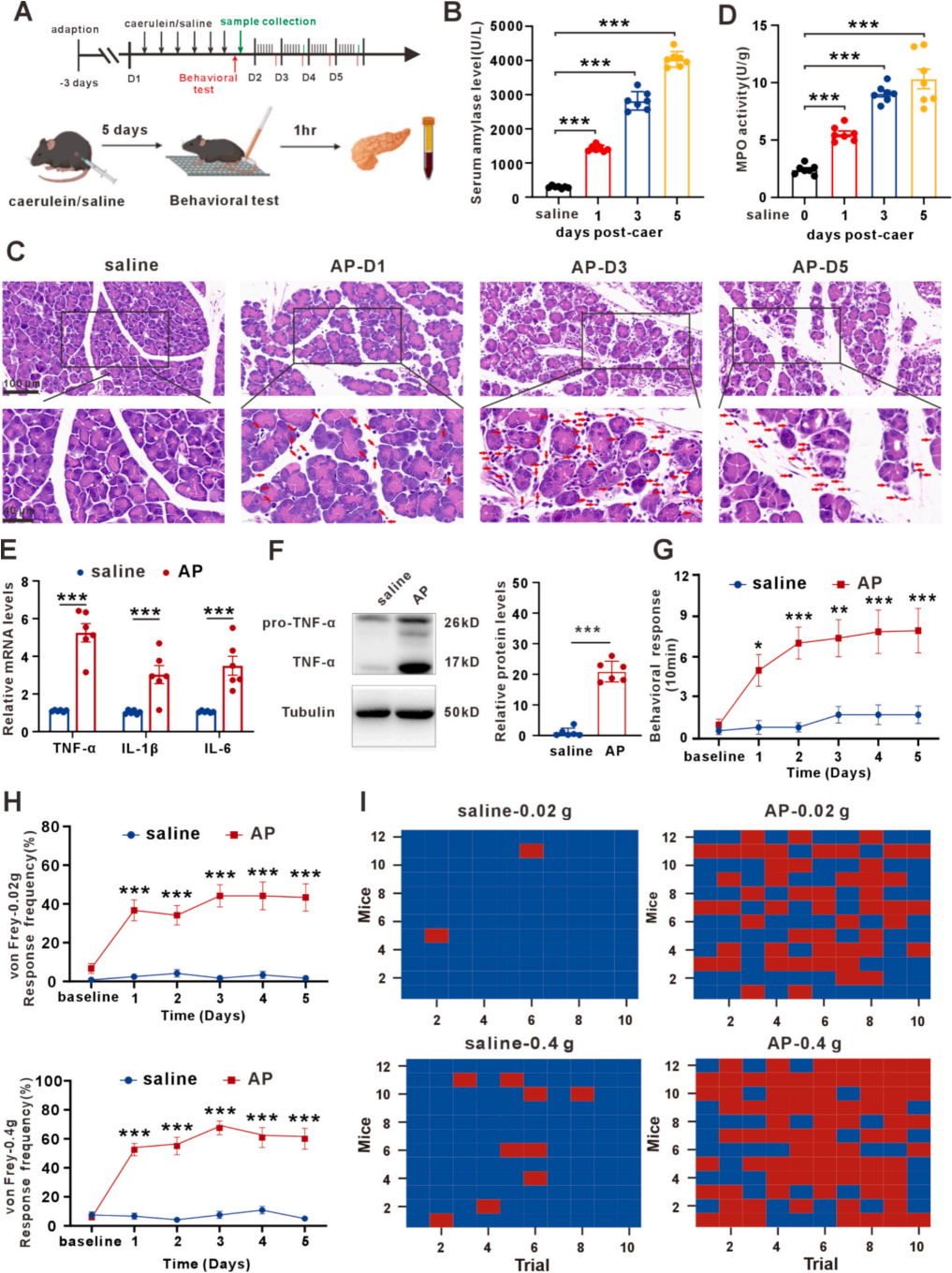
The authors constructed a mouse model of acute pancreatitis (AP) through intraperitoneal injection of capsaicin (Figure 1A). The results showed that the serum amylase levels in the AP group were significantly higher than those in the saline group and increased with the duration of administration (Figure 1B). Histological examination revealed that the pancreatic lobular fibrous septa in the AP group were thickened and edematous, with infiltration of lymphocytes and neutrophils (Figure 1C). Myeloperoxidase (MPO) activity increased with the number of administrations (Figure 1D). Detection showed that the mRNA and protein expressions of three key inflammatory factors, IL-1β, IL-6, and TNF-α, in the pancreas of the AP group were significantly upregulated (Figure 1E, 1F). In behavioral tests, the AP group showed increased twisting responses (Figure 1G), suggesting the presence of spontaneous visceral pain. Under 0.02g and 0.4g von Frey filament stimulation, the AP group exhibited significant differences in withdrawal responses (Figure 1H, 1I), so these two parameters were selected for subsequent experiments. In summary, the visceral pain model induced by AP was successfully established. Since the mice's condition worsened with the duration of administration, subsequent experiments were carried out using mice with 3 days of modeling.

Figure 1: Capsaicin-induced Pancreatitis and Visceral Pain Phenotype in Mice


Vagus Nerve TRPV1-Positive Neurons Involved in Visceral Pain Conduction Induced by Acute Pancreatitis

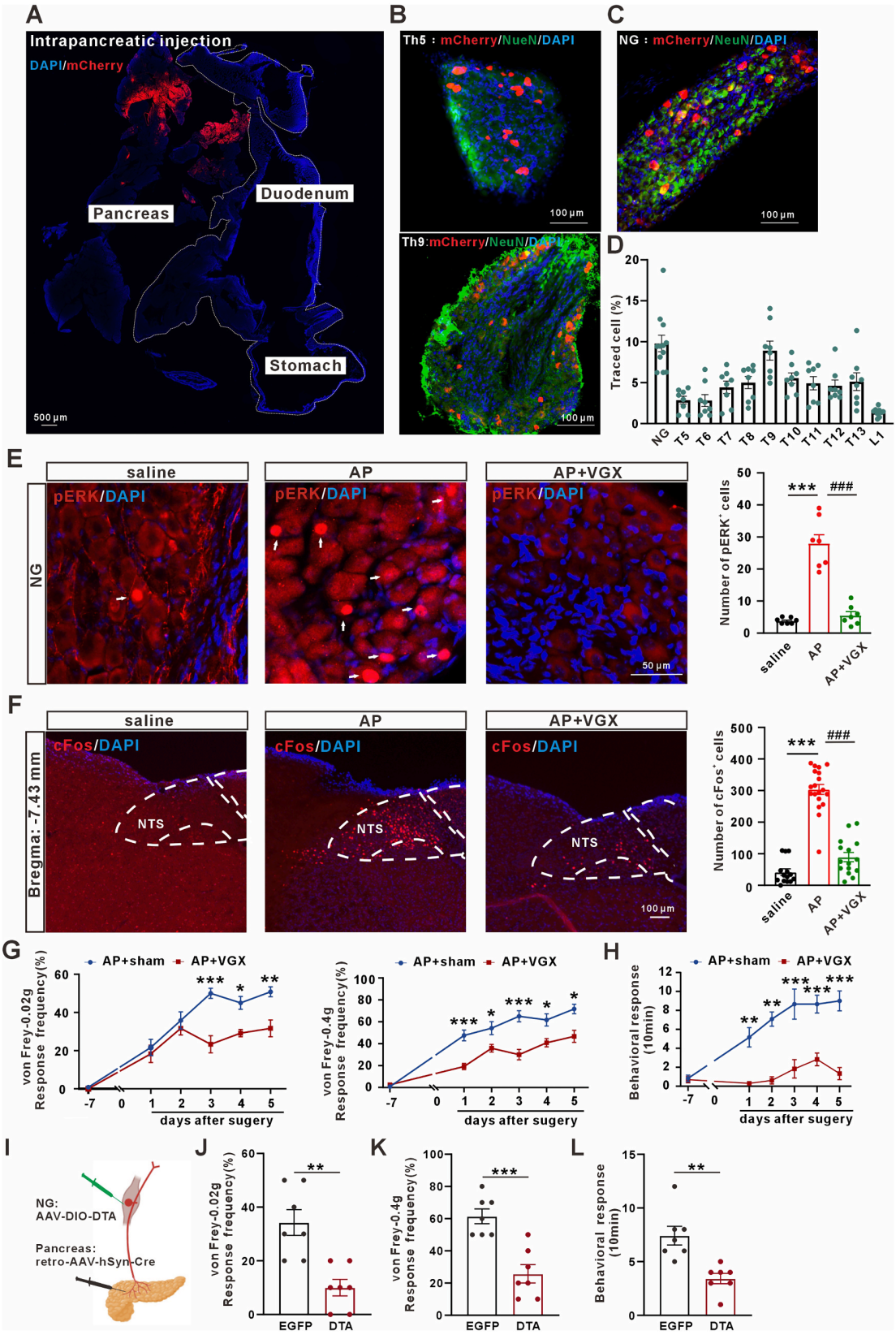
Visceral sensory conduction mainly occurs through the vagus nerve and spinal nerve pathways. The authors used retrograde tracing virus to inject the pancreas and label the pancreatic-innervating neurons (Figure 2A). The results showed that the nodose ganglion (NG) labeling rate was 9.78±1.01%, while the dorsal root ganglion (DRG) labeling rate ranged from 1.39% to 8.91%, with the highest labeling observed in the T9 segment of the DRG (Figure 2B-2D). To verify the specificity of the tracing, pancreatic duct perfusion was performed, and the NG labeling rate was found to be 12.10±1.83%, with the highest labeling in the T9 segment of the DRG. Anterograde tracing further confirmed that, after virus injection into the NG, labeled fibers could be observed around the pancreatic acini and islets. There is controversy about whether the vagus nerve mediates visceral pain, and this is the core of the study. Phosphorylated extracellular signal-regulated kinase (pERK) is a marker of NG neuron activation, while cFos is an indicator of central sensitization. The AP group mice showed significantly elevated pERK levels in the NG and cFos signals in the NTS. Bilateral subdiaphragmatic vagotomy (VGX) significantly reduced these signals (Figure 2E, 2F) and alleviated pain behaviors in the AP mice (Figure 2G-2H). To determine the effects of VGX on AP pathology, the authors found that VGX improved pancreatic pathology, serum amylase levels, MPO activity, and pro-inflammatory cytokine expression. A dual-virus strategy (Figure 2I) was used to specifically ablate the NG neurons projecting to the pancreas, which significantly alleviated visceral pain in the AP mice (Figure 2J-2L). In summary, the vagus nerve plays a dominant role in visceral pain conduction from the pancreas to the brain, with the NG→NTS axis being the core conduction pathway.

Figure 2: Vagus Nerve Mediates Visceral Pain Conduction in Acute Pancreatitis
 

Study on the Association Between TRPV1-Positive Neurons in the Nodose Ganglion and Visceral Pain in Acute Pancreatitis

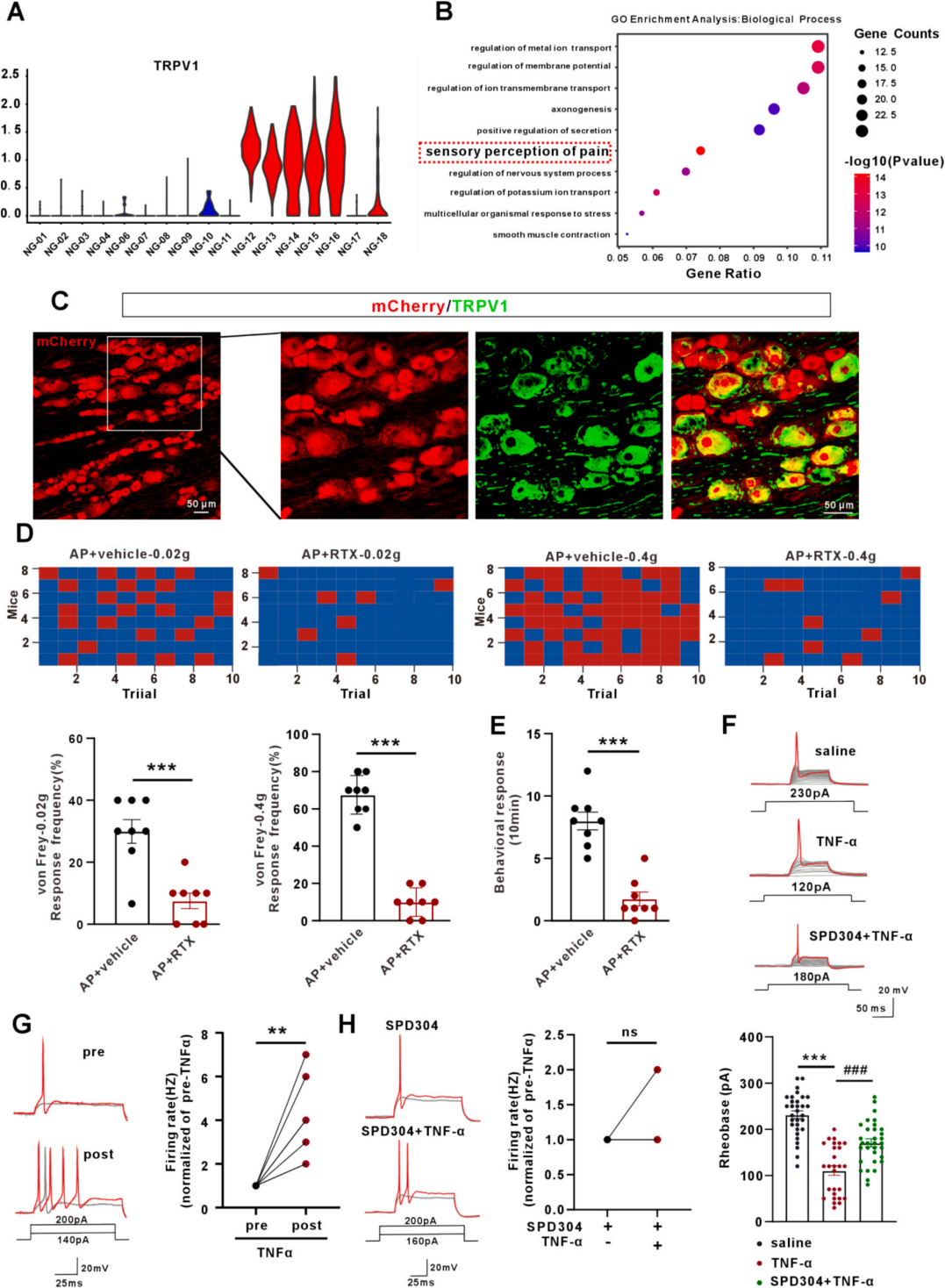
The authors analyzed the dataset of Kupari, J., et al., and found that NG cells could be clustered into 17 subgroups, with two major clusters. TRPV1 was highly expressed in the second cluster (NG12-NG18, with a higher proportion) (Figure 3A). Gene Ontology (GO) analysis of this cluster's specific genes revealed an association with nociceptive perception (Figure 3B). Based on this, it is hypothesized that TRPV1⁺ neurons in the NG mediate visceral pain conduction in acute pancreatitis. Immunofluorescence co-staining confirmed that many of the NG neurons retrogradely traced after pancreatic injection were TRPV1-positive (Figure 3C), and co-localized with pERK induced by AP. After clearing the TRPV1⁺ neurons in the bilateral NG using resin toxin (RTX), the AP mice showed significant alleviation of mechanical stimulation responses and twisting responses (Figure 3D, 3E). Electrophysiological experiments with primary NG neurons showed that tumor necrosis factor α (TNF-α), which was significantly elevated in AP, could reduce the resting current of the neurons and increase action potential firing (Figure 3F, 3G), while the TNF-α inhibitor SPD304 could eliminate this effect (Figure 3H), indicating that TNF-α sensitizes NG neurons.

Figure 3: Activation of TRPV1⁺ Neurons in the Nodose Ganglion Involved in Visceral Pain in Acute Pancreatitis

NTS Neurons Activated by Acute Pancreatitis Receive Vagus Nerve Afferent Signals Transmitting Visceral Pain

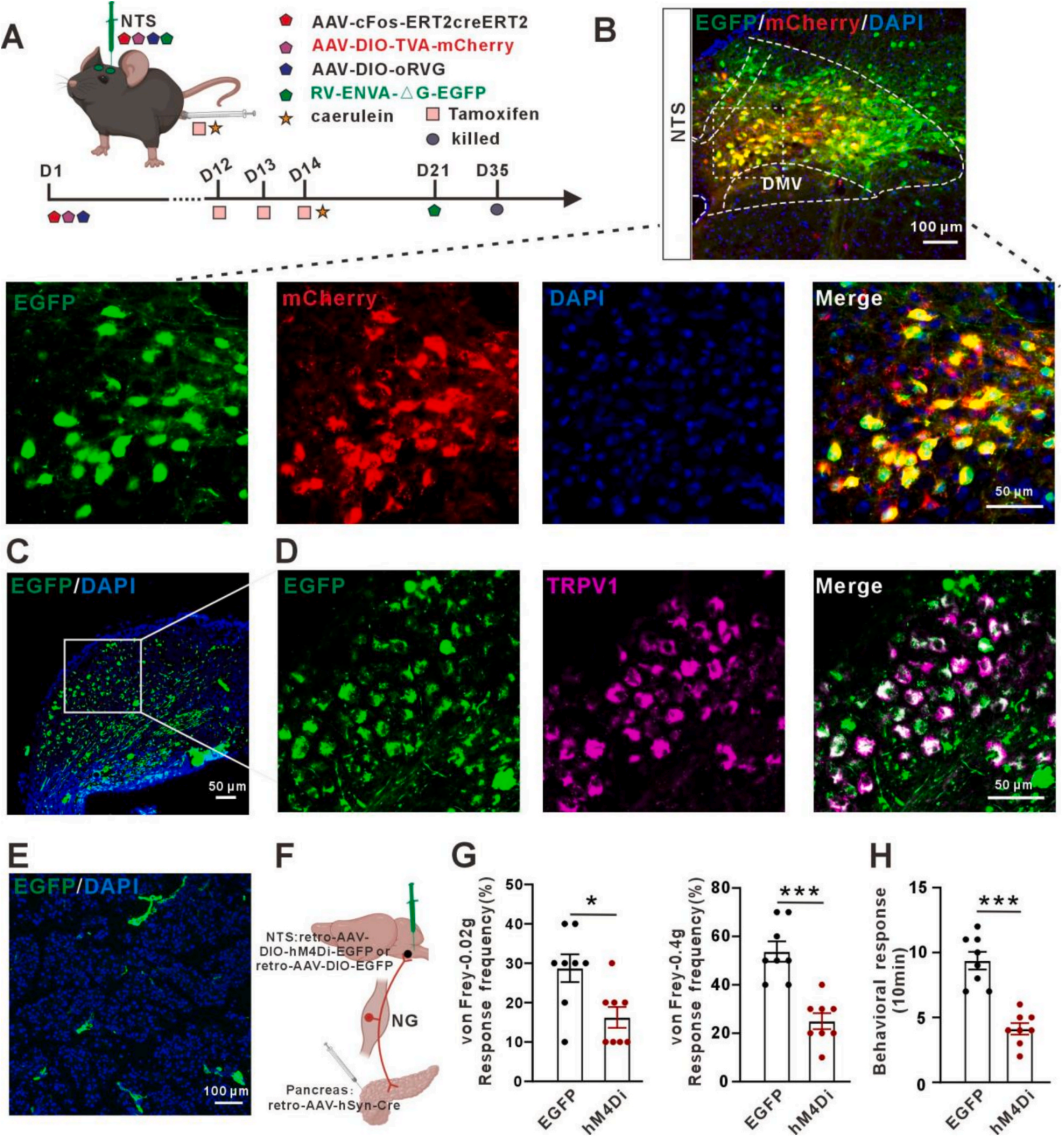
Previous results have confirmed that inflammation-activated vagus nerve TRPV1 neurons are involved in visceral pain transmission in acute pancreatitis (AP), with significantly increased cFos expression in the NTS. Vagus nerve sectioning reverses both the pain response and cFos activation. To determine whether the activation of NTS neurons is mediated by vagus nerve TRPV1 neurons, the authors used an activity-dependent tracing strategy combined with retrograde virus tracing (Figure 4A), identifying the initial NTS cells activated by AP (Figure 4B). These neurons were found to receive projections from the NG, and EGFP⁺ signals in the NG were identified as TRPV1 neurons (Figure 4C). This suggests that the activated NTS neurons receive afferent signals from TRPV1 neurons in the NG. RV-labeled EGFP⁺ signals were detected in the pancreas (Figure 4D), confirming the existence of a peripheral-to-central neural circuit between the pancreas and the NTS. The authors used Gi-DREADD chemical-genetic inhibition to suppress the pancreas→NG→NTS pathway (Figure 4E). The results showed that inhibiting NG neuron activity significantly alleviated visceral pain behaviors in AP mice (Figure 4F-4H).

Figure 4: Vagus Nerve Transmits Visceral Pain Signals to the NTS


NTSGlu Involvement in Visceral Pain Induced by Acute Pancreatitis

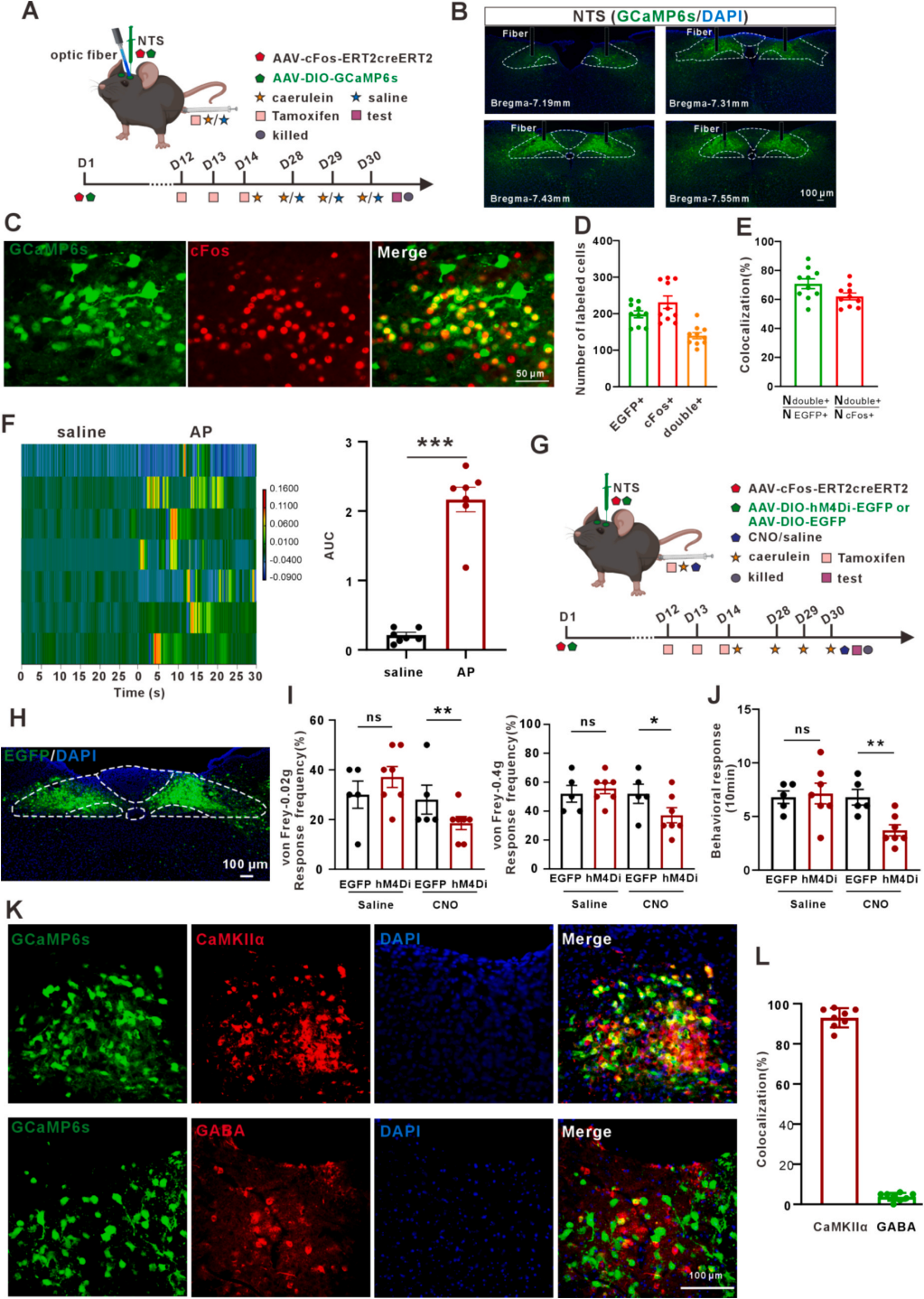
To explore the activity changes of NTS neurons during acute pancreatitis, the authors used the Fos-creERT2 strategy, co-injecting AAV-cFos-ERT2creERT2 and AAV-DIO-GCaMP6s into the NTS, and inducing AP with tamoxifen and capsaicin injection (Figure 5A). The results showed that multiple sections of the NTS contained a large number of GCaMP6s-labeled neurons (Figure 5B), whereas only a few activations were observed in the control group. cFos staining confirmed the viral labeling efficiency: 70.8% of GCaMP6s⁺ cells were cFos⁺, and 62.1% of cFos⁺ cells were GCaMP6s⁺ (Figure 5C-5E). Optogenetic calcium signal recordings showed that the activity of cFos⁺ neurons significantly increased after capsaicin treatment (Figure 5F). Gi-DREADD was used to inhibit the capsaicin-activated cFos⁺ neurons (Figure 5G, 5H), and injection of CNO significantly alleviated visceral pain in AP mice (Figure 5I-5J). The NTS contains 90% glutamatergic (CaMKIIα⁺) neurons and a small number of GABAergic neurons. Co-staining showed that GCaMP6s⁺ neurons were co-labeled with CaMKIIα (Figure 5K-5L). In summary, activation of glutamatergic neurons in the NTS mediates the afferent signal of visceral pain in AP.

Figure 5: NTSGlu Modulates Visceral Pain in Acute Pancreatitis


Increased Activity of Glutamatergic Neurons in PVN Involved in Visceral Pain Induced by Acute Pancreatitis

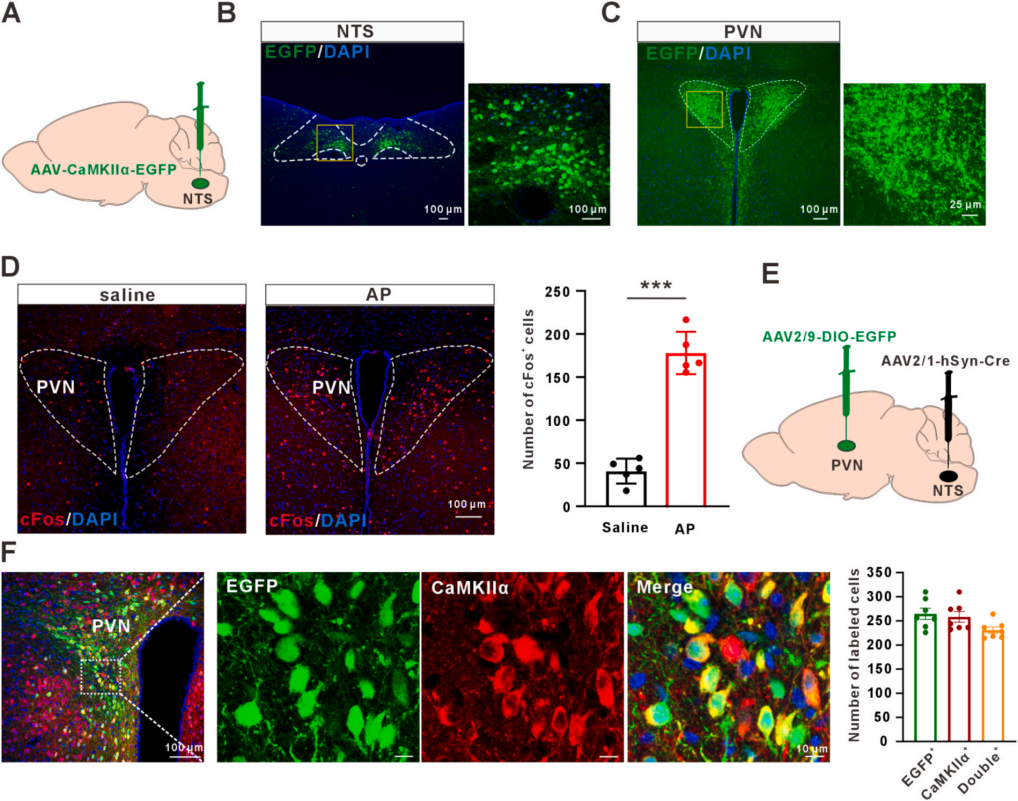
To explore the higher brain regions that receive pain signals from NTSGlu neurons, the authors injected AAV-CaMKIIα-EGFP into the NTS to map monosynaptic projection pathways (Figure 6A, 6B). Tracing results showed that the fiber terminals mainly projected to the paraventricular nucleus (PVN), parabrachial nucleus (PB), zona incerta (ZI), and thalamic paraventricular nucleus (PVT) (Figure 6C), all of which are associated with nociceptive perception. Capsaicin treatment significantly upregulated cFos expression in the PVN (Figure 6D). Following the injection of anterograde virus AAV2/1-hSyn-Cre into the NTS and Cre-dependent AAV-DIO-EGFP into the PVN, 21 days later, green fluorescence indicating NTS→PVN projection was observed in the PVN. Immunofluorescence showed that EGFP signals largely co-localized with CaMKIIα (Figure 6E, 6F). Neuron subtypes were found to be 3.6% GABA-positive, 10.1% OXT-positive, and 5.8% AVP-positive. The glutamatergic neurons in the PVN that received NTSGlu projections were significantly activated during AP-induced visceral pain, suggesting that the PVN is a key brain region downstream of the NTS involved in visceral pain processing.

Figure 6: Glutamatergic Neurons in NTS Project to the Paraventricular Nucleus and Modulate Visceral Pain


NTSGlu→PVNGlu Pathway Involved in Visceral Pain Induced by Acute Pancreatitis

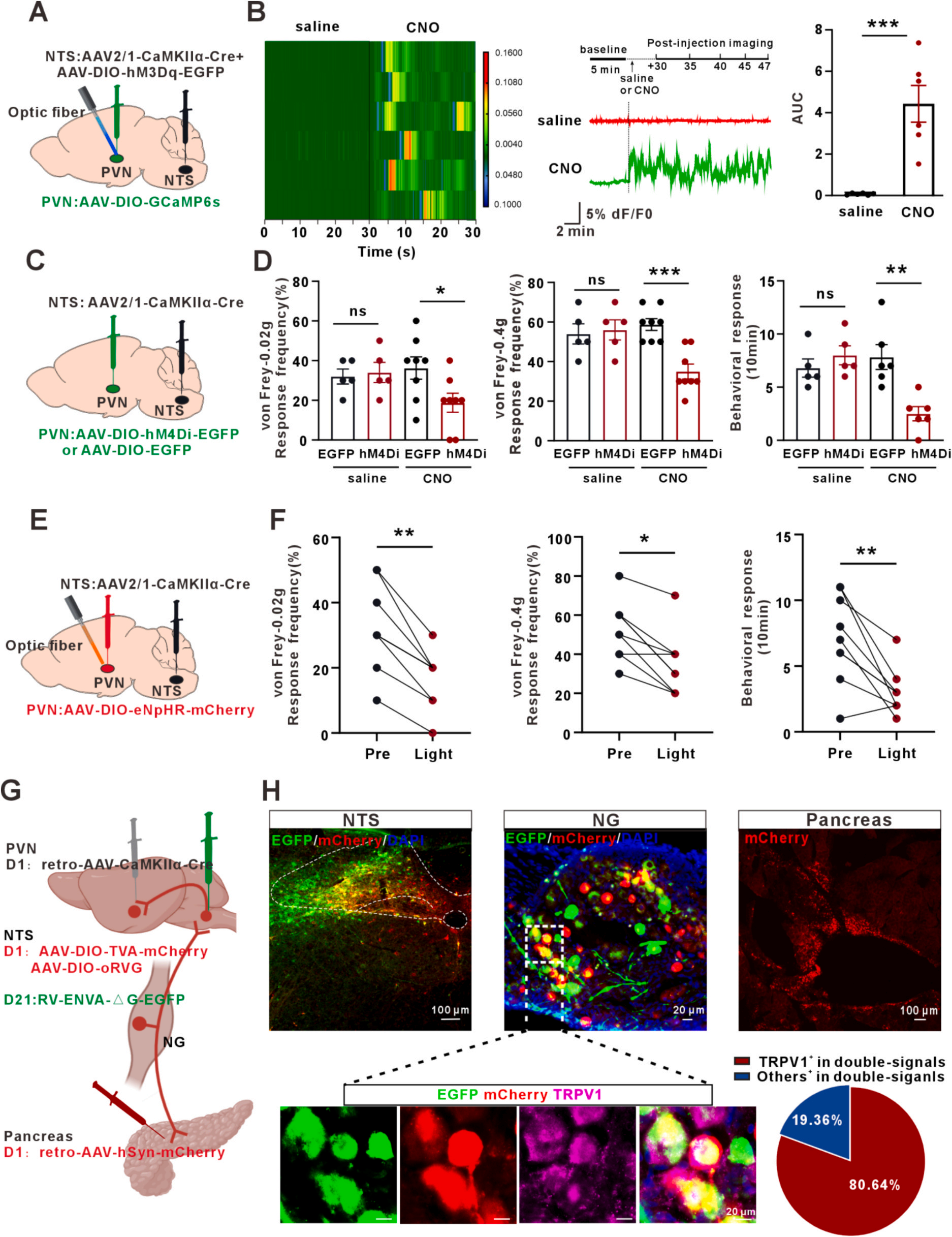
To clarify the role of the NTSGlu→PVNGlu pathway in pancreatic visceral pain, the authors conducted circuit-specific regulation experiments. AAV2/1-CaMKIIα-Cre and AAV-DIO-hM3Dq were co-injected into the NTS, AAV-DIO-GCaMP6s was injected into the PVN, and optical fibers were implanted (Figure 7A). After administering CNO intraperitoneally, calcium signals were recorded. The fluorescence intensity of PVNGlu neurons in the hM3Dq group was significantly higher than in the control group (Figure 7B). To inhibit this pathway, AAV2/1-CaMKIIα-Cre was injected into the NTS, and AAV-DIO-hM4Di-EGFP was injected into the PVN, with CNO administration intraperitoneally (Figure 7C). This significantly alleviated the visceral pain induced by AP (Figure 7D). Optogenetic inhibition of NTSGlu terminals using a virus encoding eNpHR (Figure 7E) also resulted in similar analgesic effects (Figure 7F). Multiplex retrograde tracing was used to verify the pathway connection: retro-AAV-hSyn-mCherry was injected into the pancreas, retro-AAV-CaMKIIα-Cre was injected into the PVN, and Cre-dependent helper viruses were injected into the NTS. Three weeks later, RV-ENVA-ΔG-EGFP was injected (Figure 7G). Co-localization of red and green fluorescence in the NTS and NG confirmed the existence of a pancreas-brain circuit (Figure 7H). In summary, the pancreas-brain axis (pancreas→NGTRPV1→NTSGlu→PVNGlu pathway) mediates visceral pain afferent perception after AP.

Figure 7: NTSGlu→PVNGlu Circuit Involves Visceral Pain Induced by Acute Pancreatitis
 

Conclusion

This study first identified a vagus nerve-mediated pancreas-brain visceral pain pathway (pancreas→NGTRPV1→NTSGlu→PVNGlu), which works in concert with the classical spinal cord pathways to transmit acute visceral pain signals induced by AP. Key molecular and cellular nodes in this pathway were clarified: the inflammatory factor TNF-α is the core peripheral sensitizing factor, and NGTRPV1, NTSGlu, and PVNGlu are the critical nodes of the neural circuit. Inhibiting any of these nodes can effectively alleviate visceral pain.

Tools Used in This Study from BrainCase: 
 
Product Category Product Number Product Name
Recombinase BC-0164 rAAV-CaMKIIα-Cre
Chemogenetics BC-0146 rAAV-EF1α-DIO-hM3D(Gq)-mCherry
BC-0154 rAAV-EF1α-DIO-hM4D(Gi)-EYFP
Optogenetics BC-0126 rAAV-EF1α-DIO-eNpHR3.0-mCherry
Calcium Imaging BC-0086 rAAV-EF1α-DIO-GCaMP6s
BC-0081 rAAV-CaMKIIα-GCaMP6s
Fluorescent Proteins BC-0023 rAAV-hSyn-mCherry
BC-0027 rAAV-CaMKIIα-EGFP
BC-0244 rAAV-hSyn-DIO-EGFP
BC-1168 rAAV-cFos-Cre-ERT2-P2A-EGFP
Apoptosis BC-0132 rAAV-EF1α-DIO-DTA
RV Retroviral Transfection System BC-0442 rAAV-EF1α-DIO-N2cG
BC-0061 rAAV-EF1α-DIO-mCherry-F2A-TVA
BC-RV-CVS EnvA461 CVS-EnvA-ΔG-EGFP
 
BrainCase also offers various custom services.
For more information, please contact
bd@ebraincase.com

Service Type :

Select the service you'd like to purchase.

Order Information(Premade-AAVs)

Please provide us some information about the service you'd like to order.

How did you hear about BrainCase Biotech or our products?(Fill in this field to get a discount coupon)

Detailed requirements:

scroll

Order Information(Custom AAV/Lentivirus)

Please provide us some information about the service you'd like to order.

Gene ID or gene information:

Selection of the reporting gene:

Special Instructions:

scroll

Order Information(Others)

Please provide us some information about the service you'd like to order.

Virus name/Detailed requirements:

scroll

Related products

Visceral Pain in Pancreatitis: Ting Xu's Team  at Sun Yat-sen University Reveals  a Novel Brain-Pancreas Sensory Conduction Pathway

Visceral Pain in Pancreatitis: Ting Xu's Team at Sun Yat-sen University Reveals a Novel Brain-Pancreas Sensory Conduction Pathway

Client Article | Neuron | Reveals the Molecular Mechanism of Astrocytic H3R Regulation of Anxiety Behavior via GABA Signaling

Client Article | Neuron | Reveals the Molecular Mechanism of Astrocytic H3R Regulation of Anxiety Behavior via GABA Signaling

Client Article | The Innovation | Team of Xiaojing Ye, Weijie Lin, and Yanni Zeng from Sun Yat-sen University Reveals New Mechanism of Depression and Anxiety: mPFC→BNST Circuit Regulates Memory Generalization and Stress Behavior

Client Article | The Innovation | Team of Xiaojing Ye, Weijie Lin, and Yanni Zeng from Sun Yat-sen University Reveals New Mechanism of Depression and Anxiety: mPFC→BNST Circuit Regulates Memory Generalization and Stress Behavior

Client Article | Neuron | Professor Tianle Xu from Shanghai Jiao Tong University and Professor Juan Song from UNC Unveil the Precise Neural Mechanisms of Circadian Feeding Regulation in Mice

Client Article | Neuron | Professor Tianle Xu from Shanghai Jiao Tong University and Professor Juan Song from UNC Unveil the Precise Neural Mechanisms of Circadian Feeding Regulation in Mice

map
{dede:global.cfg_webname/}

Pre-made AAV Library

CRISPR
RNAi
Neurotropic virus
Optogenetics activation
Biosensors

News

Corporate News
New Product Launch
Test Report
Investor News

Support

Literature interpretation
Customer article
FAQs
Blog
Legal
微信

WhatsApp Business Account

Tel: +8618971215294
E-mail: BD@ebraincase.com

Address:-

Address:-

  • Copyright © 2024 Brain Case All Rights Reserved.