E-mail:BD@ebraincase.com
Tel:+8618971215294
English 中文版
Pioneering Innovation in Gene Vector Research - BrainCasePioneering Innovation in Gene Vector Research - BrainCase
  • Home
  • Pre-made AAV Library
    CRISPRRNAiHSV-helperRV-helperNeurotropic virusCalcium SensorsOptogenetics activationOptogenetics inhibitionChemical geneticsSparse labelingFluorescent proteinBiosensorsRecombinaseApoptosis & AutophagyDisease ModelNeurotoxicityOther
  • Products & Service

    Product Center

    Virus

    Vesicular Stomatitis Virus-VSV
    RCAS-TVA
    Lentivirus
    Rabies Virus-RABV
    Herpes simplex virus-HSV
    Pseudorabies virus-PRV
    Adeno-Associated Virus-AAV
    Neurotropic virus list
    Baculovirus

    Kits

    EndoFree Plasmid Maxi Kit
    Lentivirus Concentration Kit

    Plasmid Construction & Vector cloning

    Lentiviral Vector
    AAV Vector
    Plasmid
    Plasmid Library

    Popular Applications

    Gene Regulation

    Gene Overexpression-Brain Case
    RNA interference(RNAi)-siRNA-Brain Case
    Gene Editing - CRSIPR cloning - BrainCase

    Neural Circuit Function Research

    Optogenetics - BrainCase
    Chemical genetics-DREADDs-Brain Case
    Calcium signal recording-Gels- Brain Case
    GRAB Neurotransmitter Fluorescent Sensor- Brain Case
    Functional Magnetic Resonance Imaging Technology- Brain Case

    Research on the structure of neural circuits

    Direct Input and Output-viral vectors- Brain Case
    Anterograde Mono-synaptic Tracing -HSV- Brain Case
    Antrograde Muti-synaptic Tracing-HSV & VSV-Brain Case
    Retrograde Mono-synaptic Tracing-Rabies Virus-Brain Case
    Retrograde Muti-synaptic Tracing-PRV-Brain Case

    Featured Services

    AAV Serotype Screening

    AAV Serotypes screening-gene therapy

    Collaboration Products

    Kiryl Piatkevich lab
    Yulong Li lab
    Zhifei Fu lab
    Woo-ping Ge lab

    Oncolytic Virus Modification

    Oncolytic virus-for cancer therapy-Brain Case
    Herpes Virus Vector-anti-tumor- BrainCase
    Vesicular stomatitis virus-killing tumor cells-Brain Case
  • News
    Corporate News New Product Launch Test Report Investor News
  • Support
    Literature interpretation Customer article FAQs Blog Legal
  • About Us
    Pre-made AAV Library Products & Service News Support About Us Contact
  • Contact
    Contact Us Join us
  • 中文
    English 中文版
  • Home
  • Support
  • Customer article
  • Support
  • Literature interpretation
  • Customer article
  • FAQs
  • Blog
  • Legal

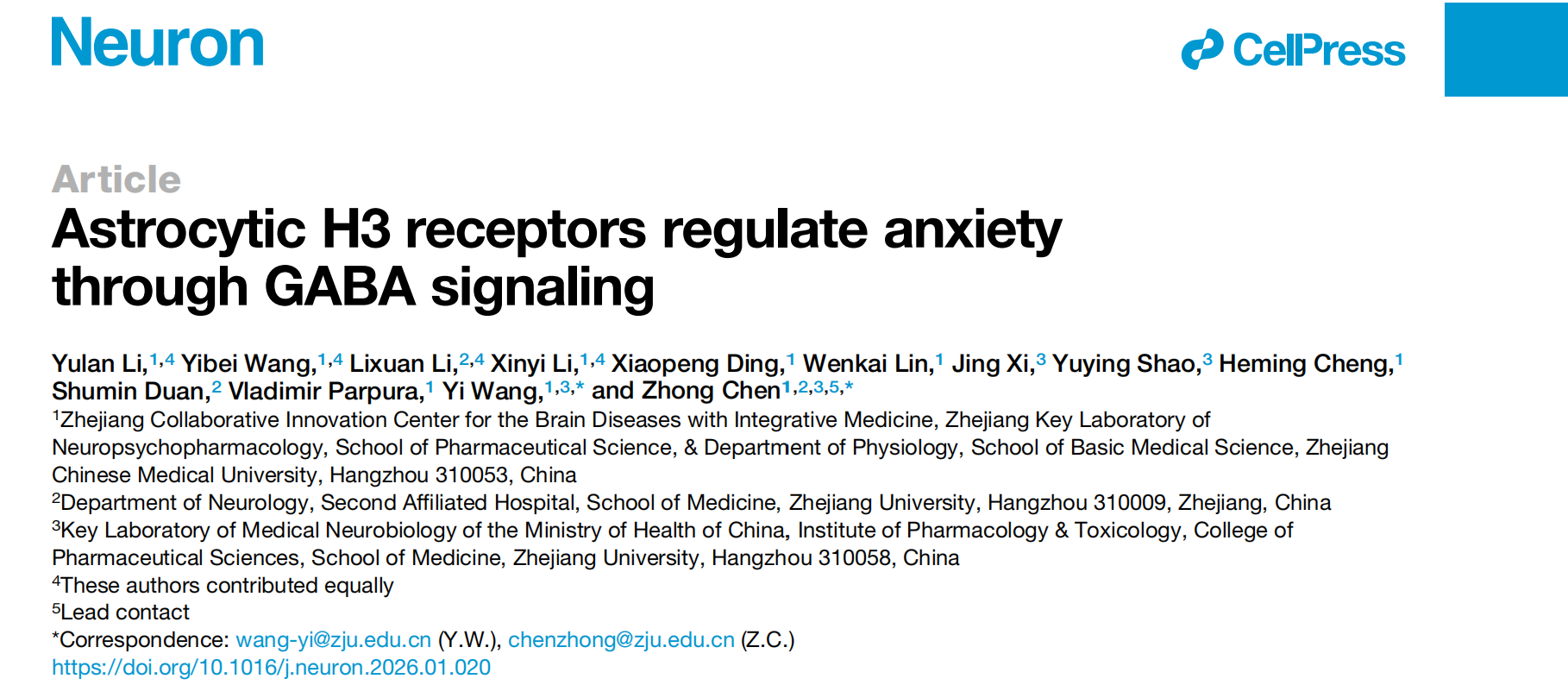
Client Article | Neuron | Reveals the Molecular Mechanism of Astrocytic H3R Regulation of Anxiety Behavior via GABA Signaling

Release time:2026-04-17 16:32:33
Anxiety disorder is the most common mental disorder worldwide, but existing treatments still have limitations. Histamine is a biogenic amine neurotransmitter synthesized from histidine by histidine decarboxylase (HDC). As an evolutionarily conserved neuromodulator, it has recently been confirmed to be associated with neuropsychiatric diseases. However, how histaminergic signaling dynamically encodes emotion-related information and regulates anxiety remains unclear.

On March 7, 2026, Professor Zhong Chen and Researcher Yi Wang’s team from Zhejiang University of Traditional Chinese Medicine published a study titled “Astrocytic H3 Receptors Regulate Anxiety through GABA Signaling” in Neuron. The study found that when mice enter an anxiety-provoking environment, histaminergic activity and histamine release in the vCA1 region are significantly enhanced with regional specificity. This histaminergic signal activates and recruits H3 receptors (H3R) on astrocytes, triggering the release of the inhibitory glial neurotransmitter GABA, which ultimately regulates anxiety-like behavior. The findings reveal a previously unreported histaminergic circuit, which works in concert with astrocytes in the vCA1 region to shape both adaptive and pathological anxiety.

https://doi.org/10.1016/j.neuron.2026.01.020
 

Histaminergic Signaling Encodes Anxiety-Related Environments in a Region-Specific Manner

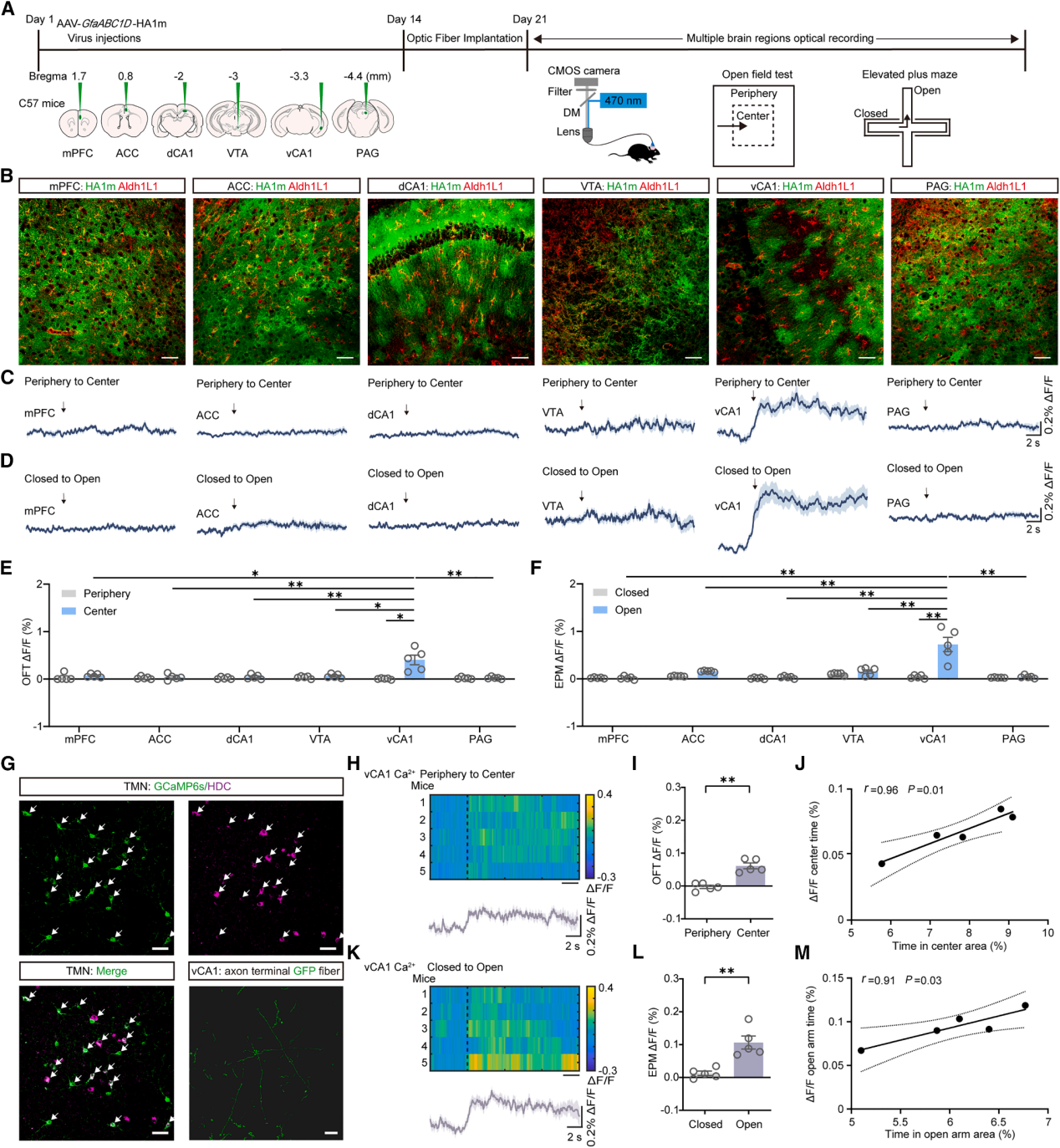
To investigate the changes in extracellular histamine levels in anxiety-related environments, the team expressed the extracellular histamine probe GRABHA1m (abbreviated as HA1m) in astrocytes in multiple emotion-related brain regions through virus-mediated delivery (AAV-GfaABC1D-HA1m), including the medial prefrontal cortex (mPFC), anterior cingulate cortex (ACC), dorsal/ventral hippocampal CA1 regions (dCA1/vCA1), ventral tegmental area (VTA), and periaqueductal gray (PAG). Using fiber photometry, endogenous histamine release was monitored in real-time during the open field test (OFT) and elevated plus maze (EPM) experiments in mice (Figure 1A, 1B). The results showed that, in the anxiety-inducing environment, histamine signaling exhibited significant regional specificity: in the OFT, when the mice entered the center region, HA1m signal in the vCA1 region was significantly enhanced and decreased upon returning to the periphery; in the EPM experiment, the signal increased when the mice moved from the closed arm to the open arm and decreased when returning to the closed arm. No significant changes were observed in other brain regions such as the mPFC, ACC, dCA1, VTA, and PAG, and HA1m signals in these regions were significantly lower than in the vCA1 region in both the center and open arms (Figure 1C-1F).

Histaminergic neurons are only located in the tuberomammillary nucleus (TMN) of the hypothalamus. To determine whether the TMN-vCA1 histaminergic circuit dynamically participates in anxiety-related behaviors, the team used a Cre-dependent viral delivery system (AAV-EF1α-DIO-axon-GCaMP6s) to express the calcium indicator GCaMP6s in TMN neurons of histidine decarboxylase-CreERT2 (HDC-CreERT2) transgenic mice and implanted a fiber optic probe in the vCA1 region. Immunohistochemistry confirmed that GCaMP6s was expressed in HDC-positive TMN neurons (Figure 1G). The results showed that when the mice moved from the peripheral region to the center of the OFT, or from the closed arm to the open arm in the EPM, the activity of histaminergic nerve terminals in the vCA1 region was enhanced, and decreased upon returning (Figure 1H, 1I, 1K, 1L). Although the amplitude of these calcium signals was relatively small (likely due to the fine, low-volume structure of the histaminergic nerve terminals), further analysis indicated a strong positive correlation between the activity of nerve terminals in the anxiety-inducing regions (OFT center, EPM open arm) and the time the mice spent in these regions, suggesting that vCA1 histaminergic signaling is dynamically recruited under anxiety conditions (Figure 1J, 1M).

Figure 1 | Region-Specific Histamine Release in the Brain under Anxiety-Inducing Environments


TMN-vCA1 Histaminergic Circuit Bidirectionally Regulates Anxiety-Like Behavior

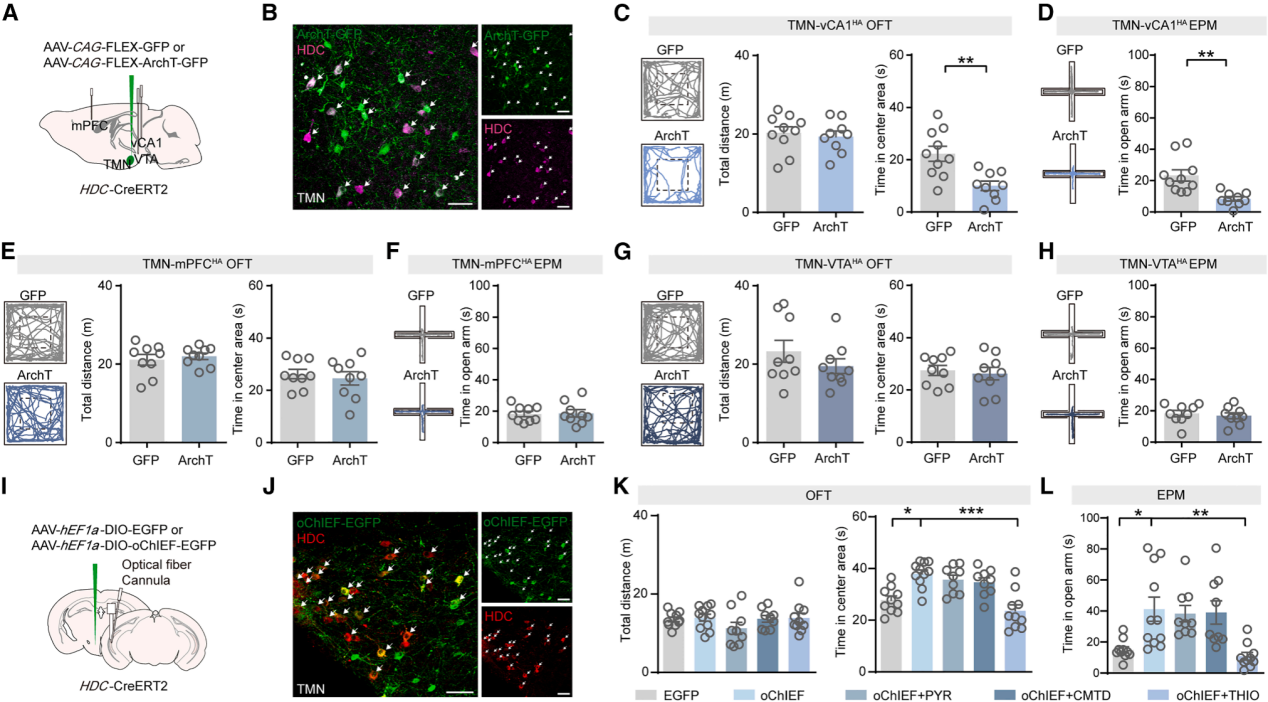
To investigate the potential dynamic role of the TMN-vCA1 histaminergic circuit in anxiety, ArchT was expressed in histaminergic neurons of the TMN in HDC-CreERT2 mice through Cre-dependent viral delivery, and fiber optics were implanted above the vCA1 region to inhibit histaminergic nerve terminal activity (Figure 2A, 2B). Compared to the GFP control group, optogenetic inhibition of histaminergic nerve terminals (10 ms/pulse, 20 Hz) significantly reduced the time mice spent in the center area of the OFT and on the open arm of the EPM (Figure 2C, 2D); however, inhibition of histaminergic nerve terminals in the TMN to mPFC or VTA did not affect anxiety-like behavior in the OFT and EPM tests (Figure 2E-2H). These results suggest that specifically silencing the TMN-vCA1 histaminergic circuit acutely induces anxiety-like behavior.

To verify whether the enhancement of histaminergic nerve terminal activity in the vCA1 region is sufficient to alleviate anxiety-like behavior, oChIEF was expressed in TMN neurons of HDC-CreERT2 mice through viral delivery, and optogenetic activation of histaminergic terminals in the vCA1 region was conducted. The results showed that activation significantly increased the time mice spent in the center of the OFT and on the open arm of the EPM (Figure 2I-2L), indicating that the TMN-vCA1 histaminergic circuit can regulate anxiety-like behavior.

Figure 2 | TMN-vCA1 Histaminergic Circuit Bidirectionally Regulates Anxiety-Like Behavior
 

Astrocytic H3R, Not Neuronal H3R, Regulates Anxiety-Like Behavior

To clarify which histamine receptor subtype (H1R, H2R, or H3R) mediates anxiety-like behavior, histamine receptor antagonists were microinjected during the OFT and EPM tests, combined with optogenetic stimulation of histaminergic nerve terminals expressing oChIEF (Figure 2I, 2J). The results showed that, compared to the oChIEF group, optogenetic activation of histaminergic nerve terminals combined with the H3R antagonist thioperamide (THIO) restored the time mice spent in the center of the OFT and on the open arm of the EPM to levels similar to the EGFP group, while no such effect was observed when combined with the H1 receptor antagonist pyrilamine (PYR) or the H2 receptor antagonist cimetidine (CMTD) (Figure 2K, 2L). These results suggest that the TMN-vCA1 histaminergic circuit mediates anti-anxiety effects through H3R.

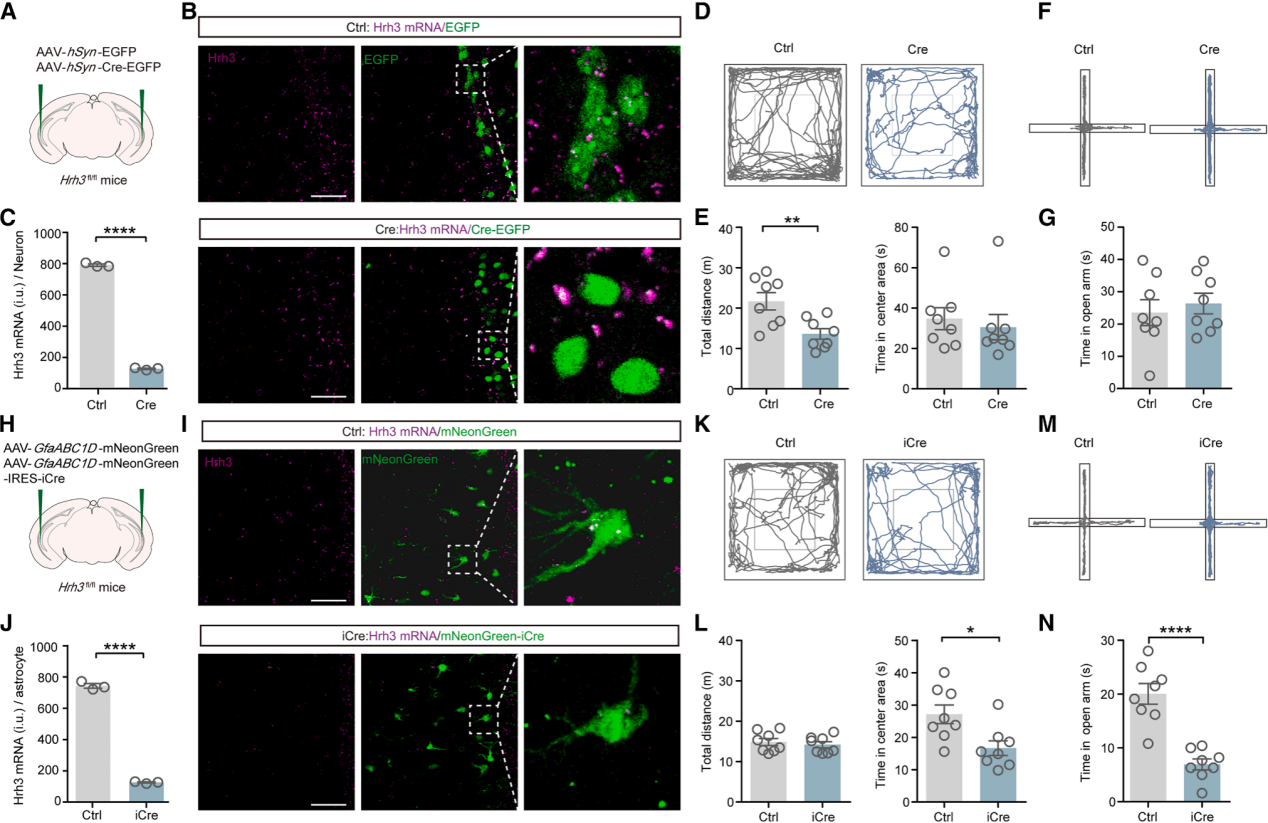
To further explore the cell-type-specific role of histamine signaling in anxiety, AAV-hSyn-Cre-EGFP was delivered to the vCA1 region of Hrh3fl/fl mice to knock down neuronal H3R levels. In situ hybridization confirmed that the Hrh3 gene transcription level was significantly reduced in Cre-expressing mice (Figure 3A-3C). Behavioral results showed that the Cre-expressing mice spent no more time in the center of the OFT compared to the EGFP control group, though they had a shorter movement distance, and their time spent on the open arm of the EPM did not differ significantly (Figure 3D-3G). These results suggest that knocking down neuronal H3R in the vCA1 region does not affect anxiety-like behavior but slightly alters voluntary motor activity.

Astrocytes are the most abundant glial cells in the central nervous system and are key components of neural circuits, playing an important role in both physiology and disease. To further evaluate the role of astrocytic H3R in anxiety, AAV-GfaABC1D-mNeonGreen-IRES-iCre was delivered to astrocytes in the vCA1 region of Hrh3fl/fl mice to knock down H3R levels (Figure 3H). In situ hybridization confirmed the knockdown efficiency (Figure 3I, 3J). Behavioral results showed that, compared to controls, mice with astrocytic H3R knockdown spent significantly less time in the center of the OFT and on the open arm of the EPM, with no observed deficits in short- or long-term memory (novel object recognition test and fear conditioning test) (Figure 3K-3N). These results indicate that astrocytic H3R knockdown induces anxiety-like behavior.

Figure 3 | Knockdown of Astrocytic H3R in vCA1 Induces Anxiety-Like Behavior

 
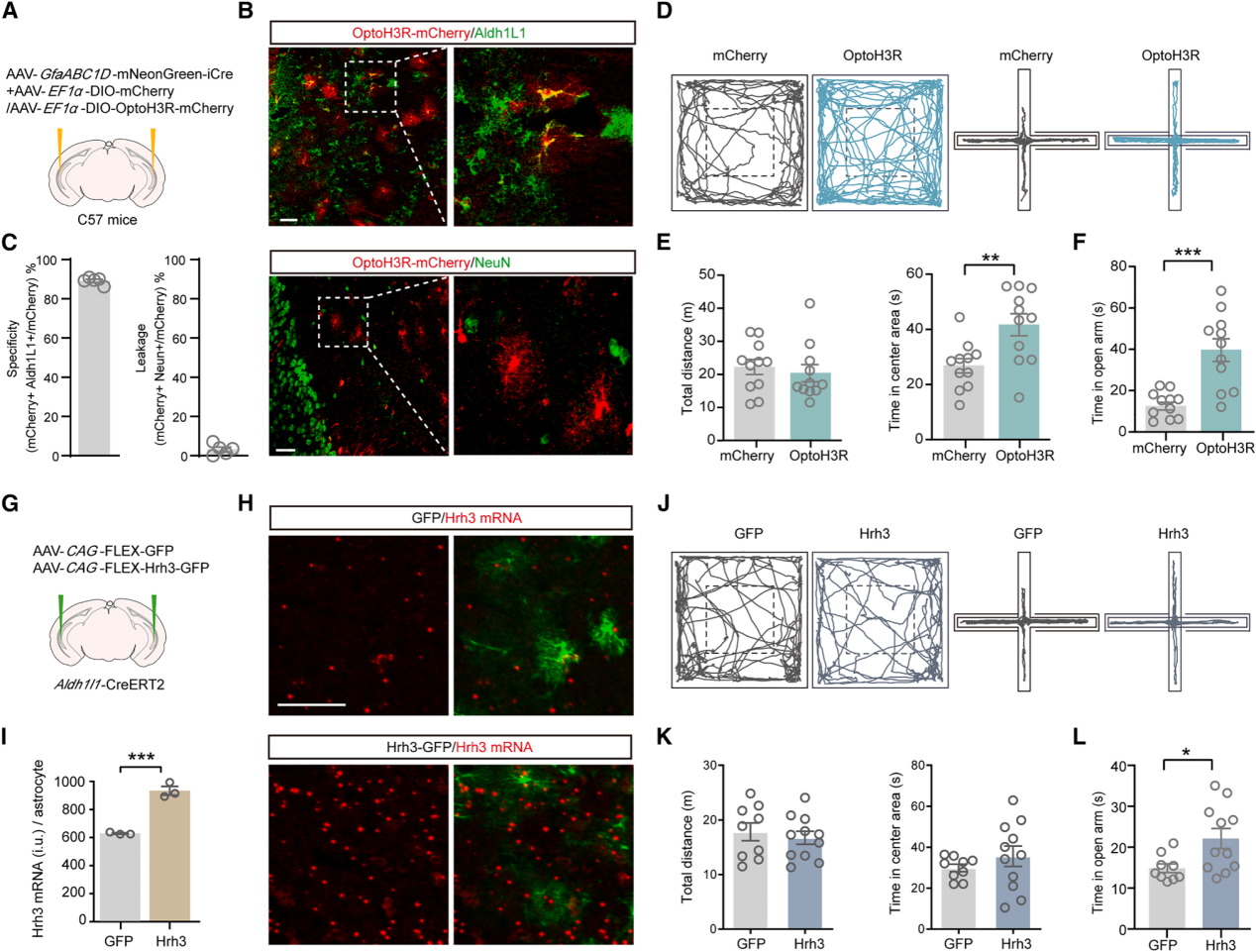
To verify whether astrocytic H3R is sufficient to reduce anxiety levels, AAV-GfaABC1D-mNeonGreen-IRES-iCre and AAV-EF1α-DIO-OptoH3R-mCherry were delivered to the vCA1 region to optogenetically activate astrocytic H3R. Quantification confirmed that OptoH3R-mCherry was highly specifically expressed in astrocytes (Figure 4A-4C). Activation of astrocytic H3R significantly increased the time mice spent in the center of the OFT and on the open arm of the EPM (Figure 4D-4F). To further confirm the role of astrocytic H3R in anti-anxiety effects, AAV-CAG-FLEX-Hrh3-GFP was delivered to the vCA1 region of Aldh1L1-CreERT2 mice for long-term overexpression of astrocytic H3R (Figure 4G). In situ hybridization confirmed a significant increase in astrocytic Hrh3 mRNA expression, and Western blotting revealed a significant increase in vCA1 H3R protein levels (Figure 4H, 4I). Behavioral results showed that although the exploration time in the OFT center did not significantly change in the astrocytic H3R overexpressing mice, their time spent on the open arm of the EPM significantly increased (Figure 4J-4L). These results together indicate that astrocytic H3R is both necessary and sufficient for regulating anxiety-like behavior.

Figure 4 | Enhanced Astrocytic H3R Signaling in the vCA1 Alleviates Anxiety-Like Behavior
 

H3R Regulates Astrocytic Response to Anxiety-Related Environments

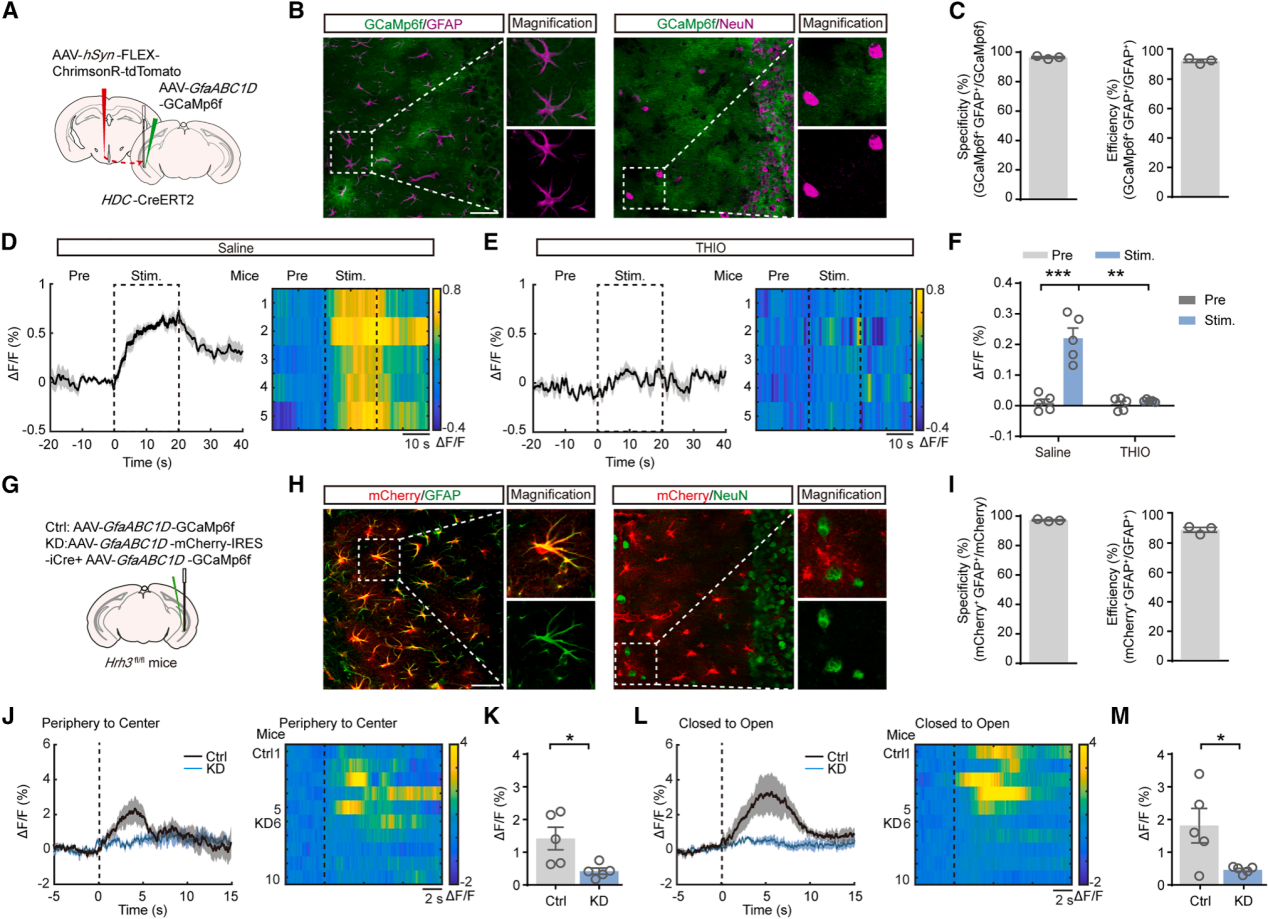
Astrocytes respond to neuronal activity through dynamic intracellular calcium signaling. To verify whether histaminergic input drives the calcium response in vCA1 astrocytes, red-light activated optogenetic channel protein ChrimsonR-tdTomato was expressed in histaminergic neurons of the TMN in HDC-CreERT2 mice, and GCaMP6f was expressed in vCA1 astrocytes. Immunostaining confirmed that the viral expression was highly specific and efficient (Figure 5A-5C). By optogenetically activating histaminergic axonal nerve terminals in the vCA1 region, fiber photometry was used to record astrocytic calcium responses. It was found that ChrimsonR-mediated histaminergic nerve terminal activation (638 nm, 10 ms/pulse, 20 Hz for 20 s) significantly induced astrocytic calcium responses, and this response could be blocked by the H3R antagonist thioperamide (THIO) (Figure 5D-5F), indicating that H3R mediates histamine-enhanced astrocytic calcium responses in the vCA1 region.

To explore the dynamic role of astrocytes in anxiety, in vivo fiber photometry was used to record calcium signals from astrocytes in the vCA1 region (Figure 5G). The results showed that when mice were in the center of the OFT or moved from the closed arm to the open arm of the EPM, astrocytic calcium activity was significantly elevated (Figure 5J-5M), suggesting that anxiety-inducing environments can activate astrocytic responses. To further investigate how astrocytic H3R levels influence astrocytic activity in anxiety-like behavior, AAV-GfaABC1D-mCherry-IRES-iCre and GCaMP6f were expressed in astrocytes of the vCA1 region in Hrh3fl/fl mice, and their specificity and efficiency were verified by immunostaining (Figure 5H, 5I). The results showed that in mice with astrocytic H3R knockdown, astrocytic calcium activity was significantly reduced in the peripheral and center regions of the OFT as well as the open arm of the EPM, indicating that knocking down astrocytic H3R blocks the calcium response in astrocytes within the anxiety-inducing environment (Figure 5J-5M).


In the vCA1 region, inhibitory DREADDs (hM4Di) were expressed to silence local neurons, and GCaMP6f was expressed in astrocytes to monitor calcium signals. The results showed that there were no significant changes in the average amplitude of astrocytic calcium signals in the OFT and EPM experiments, regardless of whether saline or CNO was administered. This suggests that astrocytic calcium responses to anxiety-related environments do not depend on local neuronal activity but are more likely driven by histamine signaling.

Figure 5 | H3R Determines Astrocytic Response in the vCA1 to Anxiety-Related Environments


vCA1 Astrocytes Mediating Histamine-Regulated Anxiety-Like Behavior

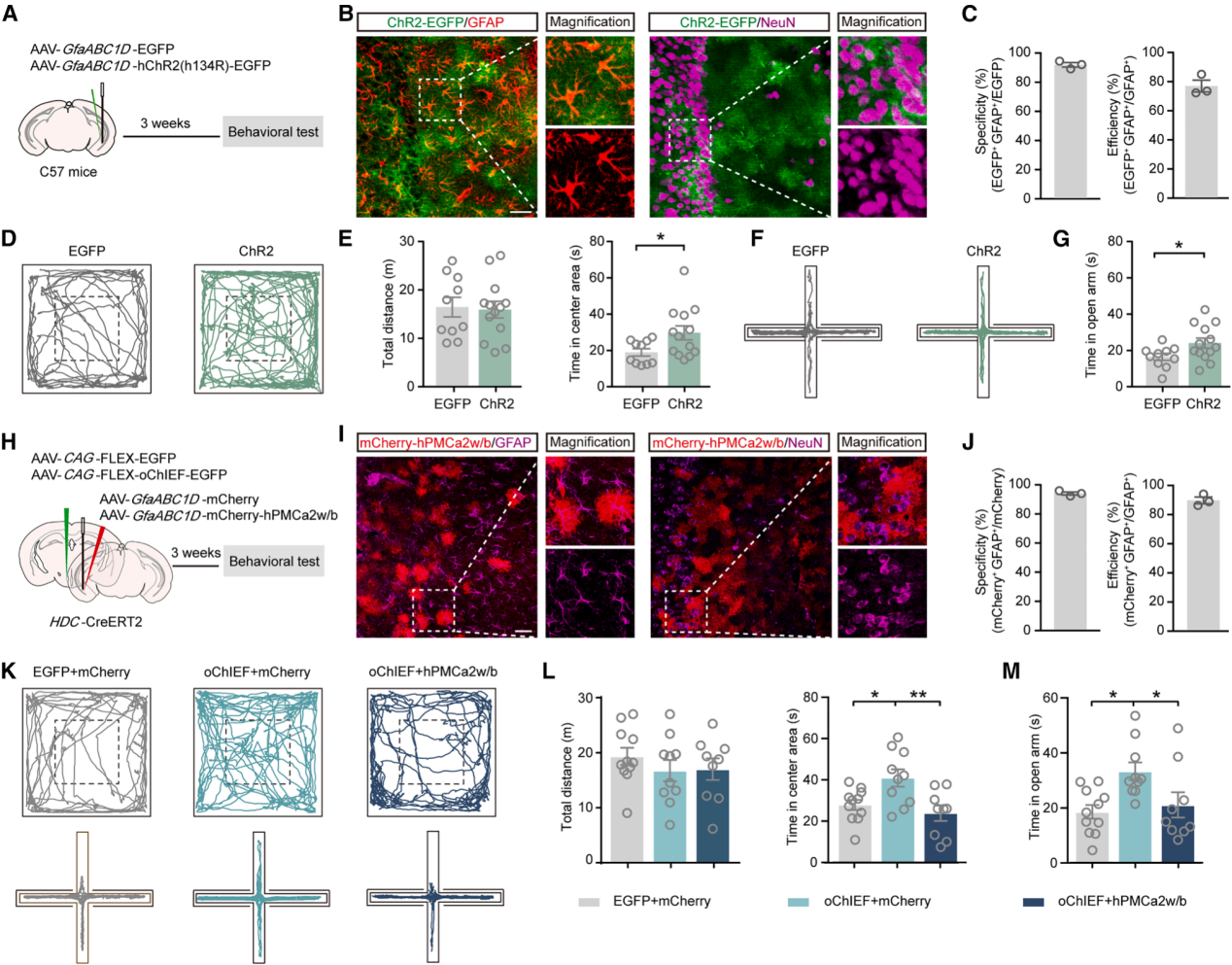
To assess the causal role of vCA1 astrocytic calcium activation in anxiety-like behavior, control virus or virus expressing ChR2 in astrocytes was bilaterally injected into the vCA1 region of mice, and fiber optics were implanted in the vCA1 region. Immunostaining confirmed that the viral expression was highly specific and efficient (Figure 6A-6C). During the OFT exploration, optogenetic activation of vCA1 astrocytes significantly increased the time spent in the anxiety-inducing center region of the OFT for ChR2-activated mice. In the EPM test, specific activation of vCA1 astrocytes also increased the time spent exploring the open arm (Figure 6D-6G). These findings confirm that activation of vCA1 astrocytes reduces anxiety-like behavior.

To further verify the role of vCA1 astrocytes in histamine’s anti-anxiety effect, hPMCA2w/b was expressed in astrocytes of this region to reduce their calcium activity (Figure 6H). Immunostaining showed that this strategy was highly specific and efficient (Figure 6I, 6J). Compared to the mCherry control group, the expression of hPMCA2w/b significantly abolished the anti-anxiety effects of histaminergic nerve terminal activation in both the OFT and EPM (Figure 6K-6M), indicating that astrocytic calcium signaling is required for this effect.


Figure 6 | Astrocytic Activity Mediates the Anti-Anxiety Effect of Histaminergic Neural Circuits


Astrocytic H3R Regulates Anxiety-Like Behavior through GABA Release

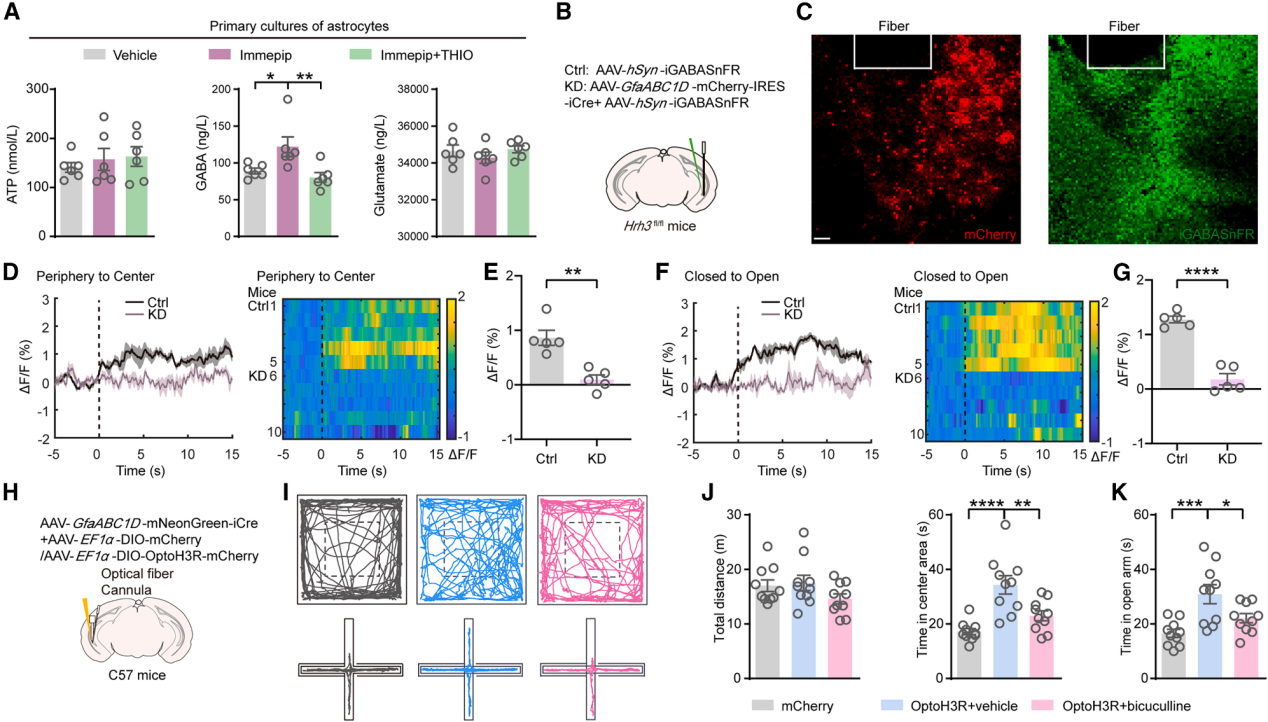
Astrocytes can regulate synaptic plasticity through calcium-dependent release of gliotransmitters. To investigate whether H3R mediates the release of related transmitters, ELISA was used to measure the levels of transmitters in the supernatant of astrocyte cultures treated with Immepip. The results showed that H3R activation significantly promoted GABA release, but had no significant effect on ATP or glutamate, and this effect could be blocked by THIO (Figure 7A).

To further verify the role of GABA in vivo, AAV-hSyn-iGABASnFR was expressed in vCA1 neurons, and fiber photometry was used to record GABA release during anxiety-like behavior (Figure 7B, 7C). The results showed that when the mice explored the center of the OFT and the open arm of the EPM, extracellular GABA levels significantly increased (Figure 7D-7G).

Further, in Hrh3fl/fl mice, AAV-GfaABC1D-mCherry-IRES-iCre and a GABA probe were co-expressed in astrocytes of the vCA1 region (Figure 7B). It was found that conditional knockdown of astrocytic H3R significantly reduced GABA signals in the center region of the open field and in the open arm of the EPM (Figure 7D-7G), suggesting that H3R mediates GABA release from astrocytes.

To evaluate the functional role of GABA in the anti-anxiety effect, the GABAA receptor antagonist bicuculline was administered under H3R activation conditions. The results showed that bicuculline abolished the anti-anxiety effects of H3R activation in both the OFT and EPM (Figure 7H-7K), indicating that GABAA receptor signaling is essential for this process. Previous studies have shown that increased activity of hippocampal glutamatergic pyramidal neurons promotes anxiety-like behavior. The results suggest that activation of astrocytic H3R may inhibit local excitability in the hippocampus through GABA signaling, thus exerting an anti-anxiety effect.


Figure 7 | Astrocytic H3R Mediates Anti-Anxiety Effects through GABA Release
 

Astrocytic H3R Improves CSDS-Induced Anxiety-Like Behavior

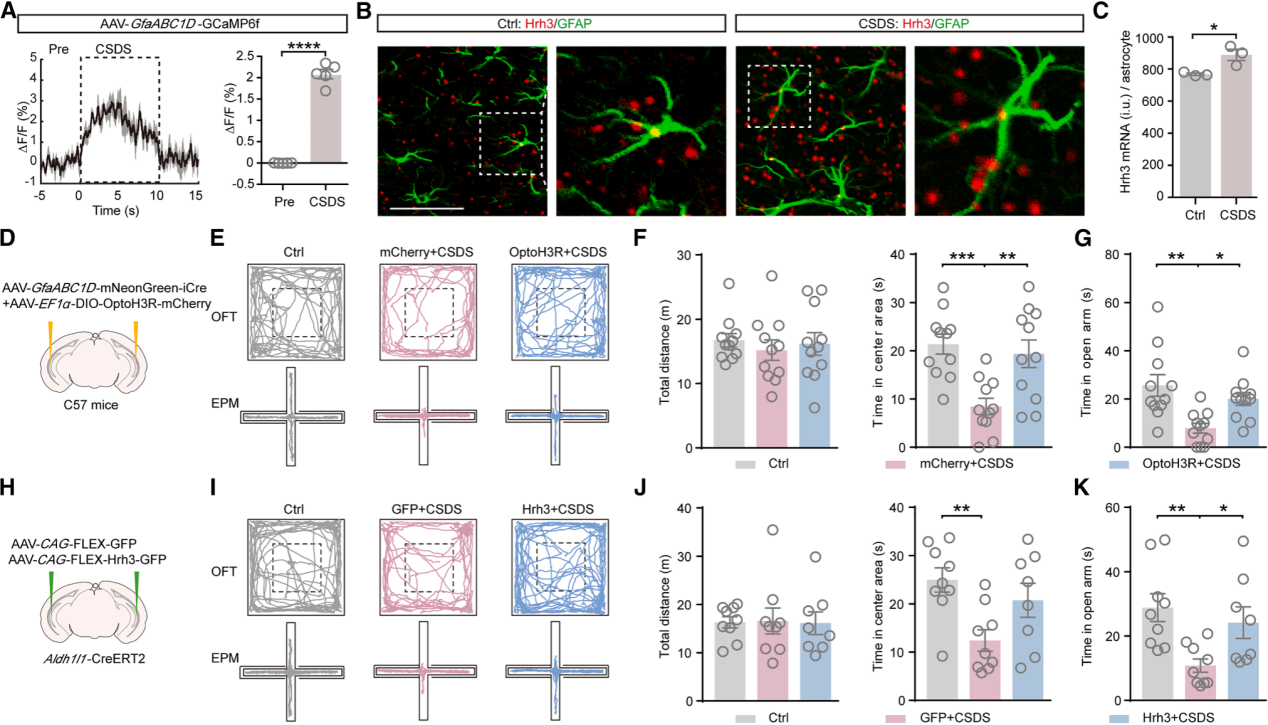
To explore the role of histamine-regulated astrocytes in chronic stress, the Chronic Social Defeat Stress (CSDS) model was used, a behavioral model that replicates the anxiety phenotypes induced by a stressful environment. For 10 consecutive days, mice in the CSDS group were exposed to aggressive resident mice for 10 minutes each day, while control group mice were separated from the aggressive residents by a transparent divider for the same duration. The results showed that during the CSDS exposure, astrocytes rapidly and strongly responded, indicating that stress exposure induces astrocytic activation (Figure 8A). Further fluorescence probe detection revealed that CSDS significantly upregulated Hrh3 mRNA expression in astrocytes of the vCA1 region (Figure 8B, 8C).

To determine whether astrocytic H3R regulates CSDS-induced anxiety, AAV-GfaABC1D-mNeonGreen-IRES-iCre and AAV-EF1α-DIO-OptoH3R-mCherry were injected into the vCA1 region to activate astrocytic H3R (Figure 8D). The results showed that optogenetic activation of astrocytic H3R reversed the decrease in the time mice spent in the center of the OFT and on the open arm of the EPM induced by CSDS, suggesting that activating astrocytic H3R under chronic stress conditions is sufficient to produce an anti-anxiety effect (Figure 8E-8G). Further, long-term overexpression of H3R in astrocytes of the vCA1 region was achieved by injecting AAV-CAG-FLEX-Hrh3-GFP into Aldh1l1-CreERT2 mice, which also reversed the decrease in exploration time in the center and open arms induced by CSDS (Figure 8H-8K). Taken together, these data confirm that chronic stress upregulates astrocytic H3R expression in the vCA1 region, and targeting this pathway can alleviate stress-induced anxiety-like behavior.

Figure 8 | Astrocytic H3R Improves CSDS-Induced Anxiety-Like Behavior


Conclusion

This study reveals how anxiety information is encoded within the histamine system and the role of pathway-specific TMN-vCA1 histaminergic astrocytic signaling in regulating anxiety-related behavior. The identification of astrocytic H3R as a regulator of anxiety-related behaviors provides a potential target for the treatment of anxiety disorders.


The tools used in this study are available from Brain Case:
 
Product Category Product Number Product Name
Fluorescent Protein BC-0016 rAAV-EF1α-DIO-mCherry
BC-2691 rAAV-CAG-FLEX-EGFP
Recombinase BC-0160 rAAV-hSyn-EGFP-P2A-Cre
BC-1363 rAAV-GfaABC1D-EGFP-P2A-Cre
BC-3359 rAAV-GfaABC1D-mCherry-P2A-NLS-Cre
Fluorescent Sensor BC-0318 rAAV-hSyn-iGABASnFR
Optogenetics BC-0220 rAAV-hSyn-DIO-ChrimsonR-mCherry
Optogenetic Inhibition BC-0228 rAAV-CAG-FLEX-ArchT-EGFP
Optogenetic Activation BC-0379 rAAV-GfaABC1D-hChR2(H134R)-EGFP
Chemogenetic Inhibition BC-0245 rAAV-hSyn-hM4D(Gi)-EGFP
Calcium Imaging BC-2261 rAAV-GfaABC1D-GCaMP6f
BC-0197 rAAV-EF1α-DIO-Axon-GCaMP6s
 
Brain Case also provides various customized services.
Please contact
bd@ebraincase.com
for more information.

Service Type :

Select the service you'd like to purchase.

Order Information(Premade-AAVs)

Please provide us some information about the service you'd like to order.

How did you hear about BrainCase Biotech or our products?(Fill in this field to get a discount coupon)

Detailed requirements:

scroll

Order Information(Custom AAV/Lentivirus)

Please provide us some information about the service you'd like to order.

Gene ID or gene information:

Selection of the reporting gene:

Special Instructions:

scroll

Order Information(Others)

Please provide us some information about the service you'd like to order.

Virus name/Detailed requirements:

scroll

Related products

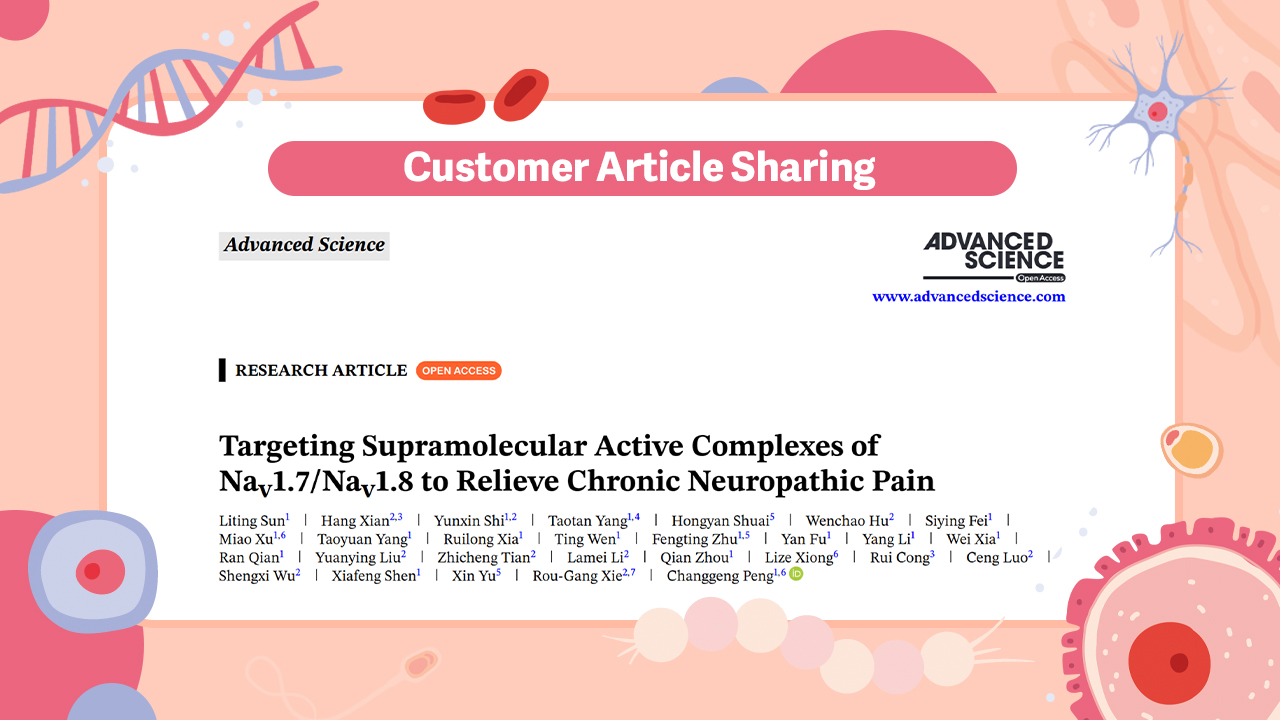
400+ Customer Publications Collection.

400+ Customer Publications Collection.

Client Article | Neuron | Reveals the Molecular Mechanism of Astrocytic H3R Regulation of Anxiety Behavior via GABA Signaling

Client Article | Neuron | Reveals the Molecular Mechanism of Astrocytic H3R Regulation of Anxiety Behavior via GABA Signaling

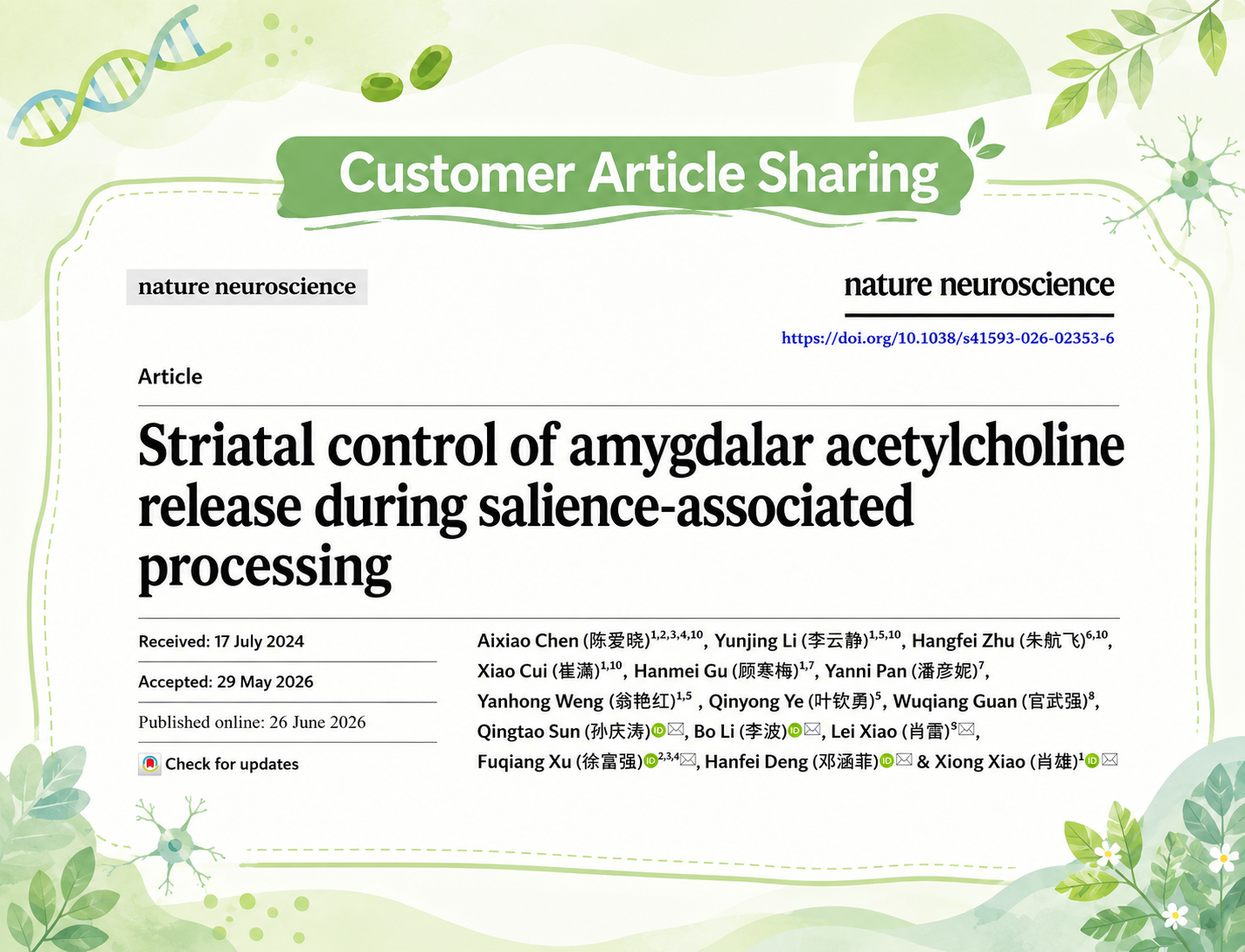
Client Article | The Innovation | Team of Xiaojing Ye, Weijie Lin, and Yanni Zeng from Sun Yat-sen University Reveals New Mechanism of Depression and Anxiety: mPFC→BNST Circuit Regulates Memory Generalization and Stress Behavior

Client Article | The Innovation | Team of Xiaojing Ye, Weijie Lin, and Yanni Zeng from Sun Yat-sen University Reveals New Mechanism of Depression and Anxiety: mPFC→BNST Circuit Regulates Memory Generalization and Stress Behavior

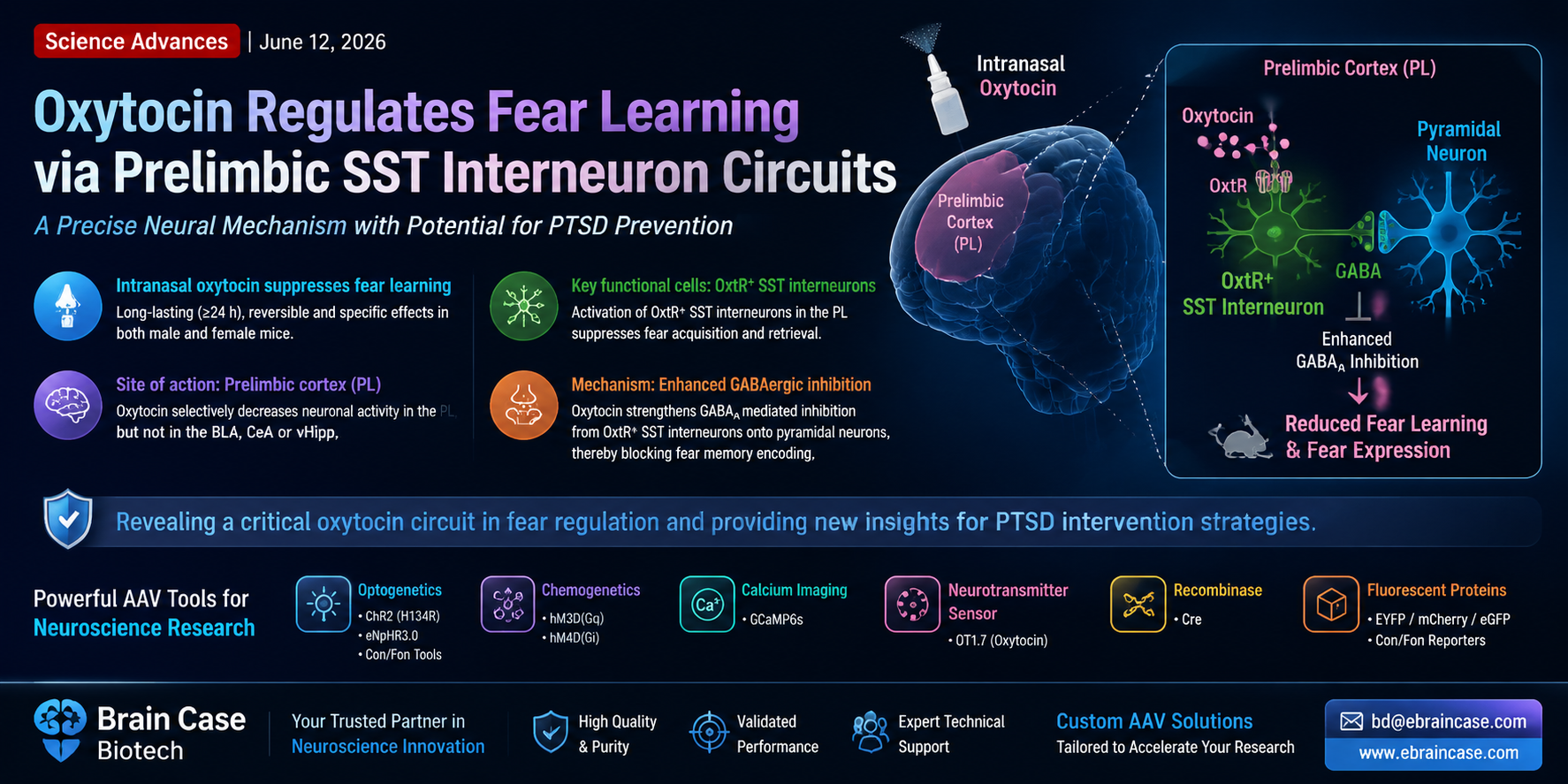
Client Article | Neuron | Xinan Liu/ Zuxin Chen Team from Shenzhen Institute of Advanced Technology Reveals "Gut-Brain" Pathway Mediating the Antiepileptic Effects of Probiotics

Client Article | Neuron | Xinan Liu/ Zuxin Chen Team from Shenzhen Institute of Advanced Technology Reveals "Gut-Brain" Pathway Mediating the Antiepileptic Effects of Probiotics

map
{dede:global.cfg_webname/}

Pre-made AAV Library

CRISPR
RNAi
Neurotropic virus
Optogenetics activation
Biosensors

News

Corporate News
New Product Launch
Test Report
Investor News

Support

Literature interpretation
Customer article
FAQs
Blog
Legal
微信

WhatsApp Business Account

Tel: +8618971215294
E-mail: BD@ebraincase.com

Address:-

Address:-

  • Copyright © 2024 Brain Case All Rights Reserved.