E-mail:BD@ebraincase.com
Tel:+8618971215294
English 中文版
Pioneering Innovation in Gene Vector Research - BrainCasePioneering Innovation in Gene Vector Research - BrainCase
  • Home
  • Pre-made AAV Library
    CRISPRRNAiHSV-helperRV-helperNeurotropic virusCalcium SensorsOptogenetics activationOptogenetics inhibitionChemical geneticsSparse labelingFluorescent proteinBiosensorsRecombinaseApoptosis & AutophagyDisease ModelNeurotoxicityOther
  • Products & Service

    Product Center

    Virus

    Vesicular Stomatitis Virus-VSV
    RCAS-TVA
    Lentivirus
    Rabies Virus-RABV
    Herpes simplex virus-HSV
    Pseudorabies virus-PRV
    Adeno-Associated Virus-AAV
    Neurotropic virus list
    Baculovirus

    Kits

    EndoFree Plasmid Maxi Kit
    Lentivirus Concentration Kit

    Plasmid Construction & Vector cloning

    Lentiviral Vector
    AAV Vector
    Plasmid
    Plasmid Library

    Popular Applications

    Gene Regulation

    Gene Overexpression-Brain Case
    RNA interference(RNAi)-siRNA-Brain Case
    Gene Editing - CRSIPR cloning - BrainCase

    Neural Circuit Function Research

    Optogenetics - BrainCase
    Chemical genetics-DREADDs-Brain Case
    Calcium signal recording-Gels- Brain Case
    GRAB Neurotransmitter Fluorescent Sensor- Brain Case
    Functional Magnetic Resonance Imaging Technology- Brain Case

    Research on the structure of neural circuits

    Direct Input and Output-viral vectors- Brain Case
    Anterograde Mono-synaptic Tracing -HSV- Brain Case
    Antrograde Muti-synaptic Tracing-HSV & VSV-Brain Case
    Retrograde Mono-synaptic Tracing-Rabies Virus-Brain Case
    Retrograde Muti-synaptic Tracing-PRV-Brain Case

    Featured Services

    AAV Serotype Screening

    AAV Serotypes screening-gene therapy

    Collaboration Products

    Kiryl Piatkevich lab
    Yulong Li lab
    Zhifei Fu lab
    Woo-ping Ge lab

    Oncolytic Virus Modification

    Oncolytic virus-for cancer therapy-Brain Case
    Herpes Virus Vector-anti-tumor- BrainCase
    Vesicular stomatitis virus-killing tumor cells-Brain Case
  • News
    Corporate News New Product Launch Test Report Investor News
  • Support
    Literature interpretation Customer article FAQs Blog Legal
  • About Us
    Pre-made AAV Library Products & Service News Support About Us Contact
  • Contact
    Contact Us Join us
  • 中文
    English 中文版
  • Home
  • Support
  • Customer article
  • Support
  • Literature interpretation
  • Customer article
  • FAQs
  • Blog
  • Legal

Client Article | The Innovation | Team of Xiaojing Ye, Weijie Lin, and Yanni Zeng from Sun Yat-sen University Reveals New Mechanism of Depression and Anxiety: mPFC→BNST Circuit Regulates Memory Generalization and Stress Behavior

Release time:2026-04-16 13:46:43
Depression is a highly prevalent and debilitating mental disorder. Current antidepressants are unable to alter the disease trajectory, and relapse rates are high. It is urgent to clarify its pathogenesis and develop effective interventions. The cognitive model of depression suggests that cognitive biases triggered by negative experiences increase the risk of developing the disease. Clinical studies have also confirmed that patients with depression and anxiety exhibit memory distortions, characterized by enhanced negative memories and excessive generalization (extending memories to similar but different situations). However, the causal relationship and neural mechanisms of memory enhancement and generalization in negative memories remain unclear, and there is a lack of experimental models that separate these two processes.

On February 4, 2026, the team of Xiaojing Ye, Weijie Lin, and Yanni Zeng from Sun Yat-sen University published a research paper titled "Generalization of Negative Memories Drives the Development of Psychological Distress-Related Behaviors" in The Innovation. The study established a mouse behavioral paradigm that separates memory generalization from memory enhancement. It found that the mPFC→BNST pathway is a key neural circuit that mediates negative memory generalization and stress-related behaviors. Actin cytoskeleton remodeling in mPFC-BNST neurons serves as the molecular basis for memory generalization. The study confirmed that negative memory generalization is a core factor in inducing stress-related behaviors, providing new theoretical insights for the mechanisms and interventions of anxiety and depression-related disorders.

https://doi.org/10.1016/j.xinn.2026.101306


The Generalization of Negative Memories is Closely Linked to Stress-Related Behaviors

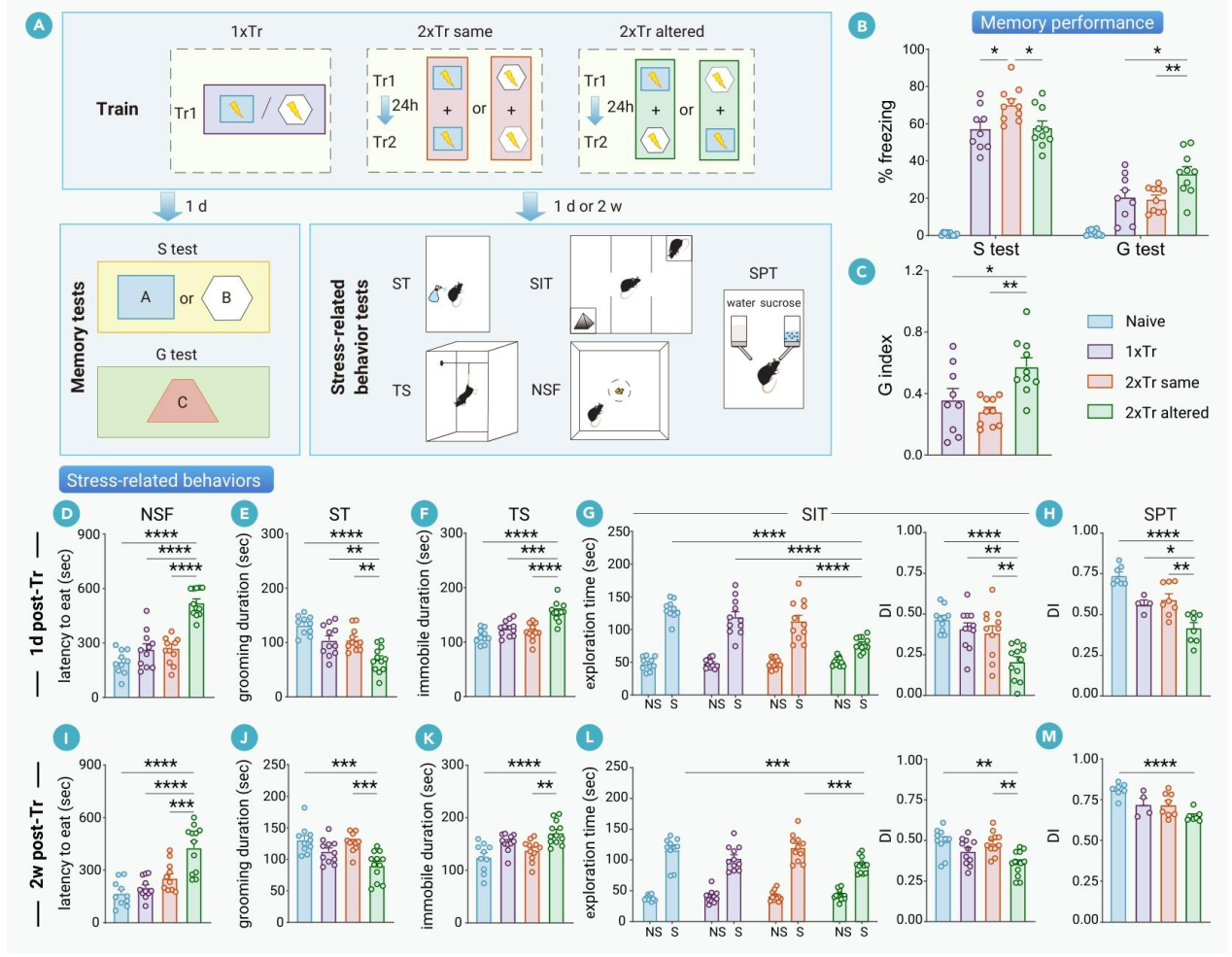
To investigate whether the intensity or generalization of negative memories is involved in regulating changes in stress-related behaviors, this study established a novel behavioral paradigm that differentiates these two memory features. Mice were divided into three groups: single-session fear conditioning training (1xTr), two-session fear conditioning training in the same context (2xTr same), and two-session fear conditioning training in different contexts (2xTr altered). Each training session involved three 0.75mA foot shocks. Memory strength was assessed at two time points—1-2 days and 14-15 days after the final training (with 24-hour intervals between the two measurements)—in the same context for memory strength and in an altered context for memory generalization ability (Figure 1A).

The results showed that, compared to the 1xTr group, the memory strength in the 2xTr same group was significantly enhanced 1 day after the final training, while memory strength in the 2xTr altered group did not further improve. Additionally, the freezing rate in the 2xTr altered group was significantly higher than that in the 1xTr and 2xTr same groups (Figure 1B). After calculating the generalization index (G index), it was found that the G index in the 2xTr altered group was also significantly elevated, successfully achieving the separation of memory enhancement and generalization (Figure 1C).

Further evaluation revealed that only the 2xTr altered group exhibited abnormal stress-related behaviors starting 1 day after the final training, including prolonged latency to feed in a novel environment, shorter grooming duration, increased immobility in the tail suspension test, reduced social preference in the social interaction test, and decreased sucrose consumption in the sucrose preference test (Figures 1D-1H). These stress-related phenotypes lasted for at least 2 weeks, indicating they were persistent stress responses rather than transient reactions (Figures 1I-1M). Collectively, these results confirm that the generalization of negative memories is specifically associated with stress-related behaviors.

Figure 1. The Generalization of Negative Memories is Closely Linked to Stress-Related Behaviors


mPFC→BNST Projection Promotes Negative Memory Generalization, Not Memory Enhancement

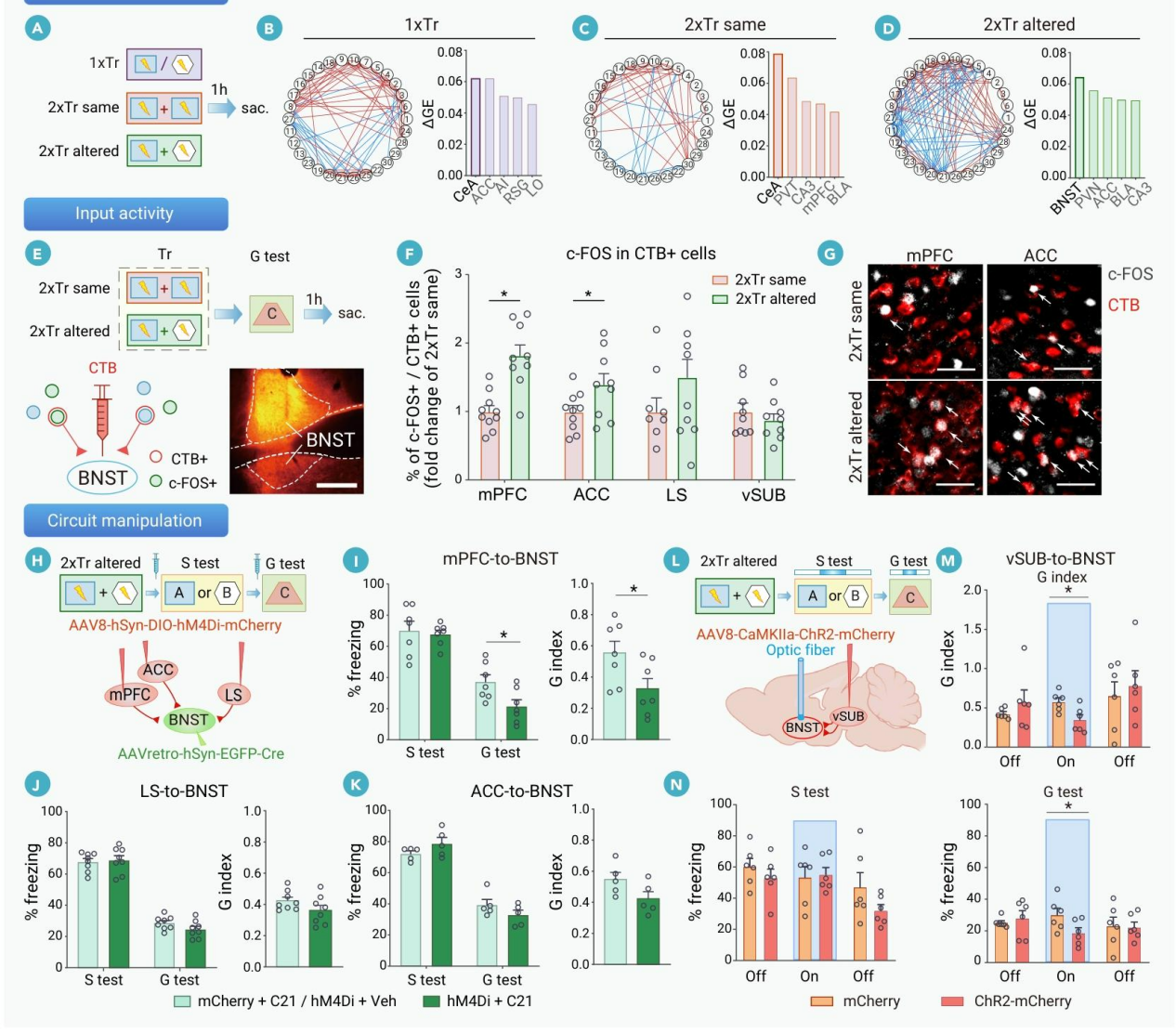
To identify the neural circuits mediating memory generalization rather than memory enhancement, the study used whole-brain c-Fos and brain network analysis techniques to compare the brain region patterns activated by different fear conditioning paradigms (Figures 2A-2D). The results showed that the memory generalization induced in the 2xTr altered group was centered around the bed nucleus of the stria terminalis (BNST), while the central amygdala (CeA) served as the core hub for the 1xTr and 2xTr same groups. Combining retrograde tracing with cholera toxin B (CTB) and c-Fos staining, it was found that the activation level of neurons projecting from the medial prefrontal cortex (mPFCBNST) and anterior cingulate cortex (ACCBNST) to the BNST was increased (Figures 2E-2G). To explore the functional role of different upstream inputs to the BNST in memory expression after the 2xTr altered paradigm, chemogenetic inhibition of mPFCBNST neurons specifically reduced memory generalization without affecting memory strength. Inhibition of ACCBNST or LSBNST neurons had no significant effect (Figures 2H-2K). Additionally, consistent with the observation that "memory generalization enhancement is accompanied by reduced VSUBBNST neuronal activity," optogenetic activation of VSUBBNST neurons significantly reduced memory generalization (Figures 2L-2N).

Figure 2. After Negative Experiences in the Same Context, mPFC→BNST Projections are Activated and Necessary for Negative Memory Generalization


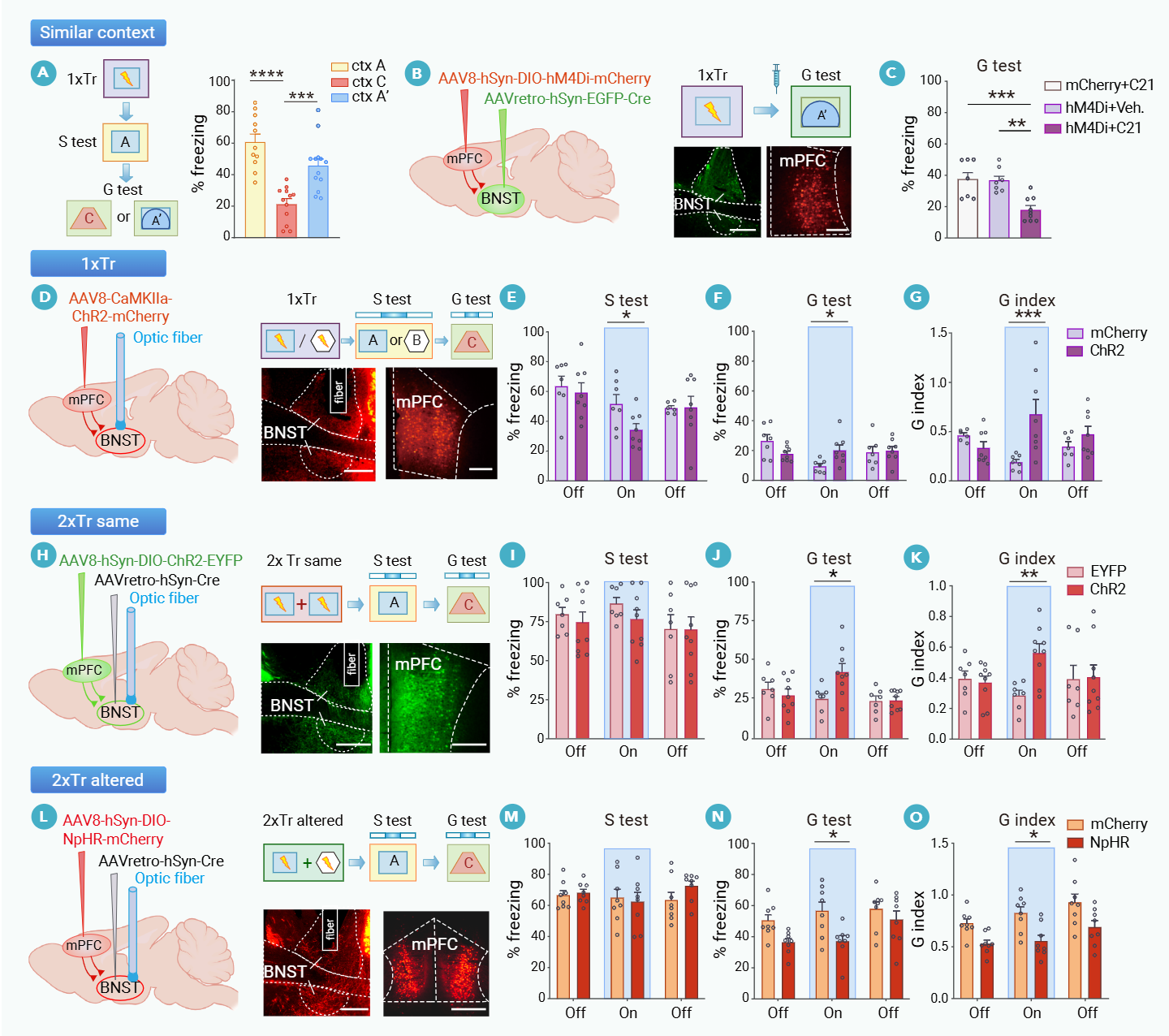
Fear memory generalization exhibits a gradient characteristic. The freezing rate of the 1xTr group in a similar training context (Context A) was significantly higher than in a different context (Context C) (Figure 3A). Inhibition of mPFCBNST neuronal activity significantly reduced the generalization of fear memories in similar contexts (Figures 3B, 3C). Conversely, optogenetic activation of this projection pathway after 1xTr or 2xTr same paradigms significantly enhanced fear memory generalization (Figures 3D-3K). Activation of this pathway after the 1xTr paradigm reduced the freezing rate in the original training context (Figure 3E), supporting the view that memory generalization and memory strength can be inversely regulated. During the memory testing phase, optogenetic inhibition of mPFCBNST terminals also significantly reduced fear memory generalization (Figures 3L-3O). These results confirm that activation of the mPFC→BNST projection is a key neural mechanism for cross-context negative memory generalization after negative experiences.

Figure 3. Activation of the mPFC→BNST Projection Promotes Negative Memory Generalization, Not Enhancement of Memory Itself


mPFCBNST Neuronal Clusters Encoding Negative Memory Generalization Overlap Significantly with Clusters Encoding Stress-Related Behaviors

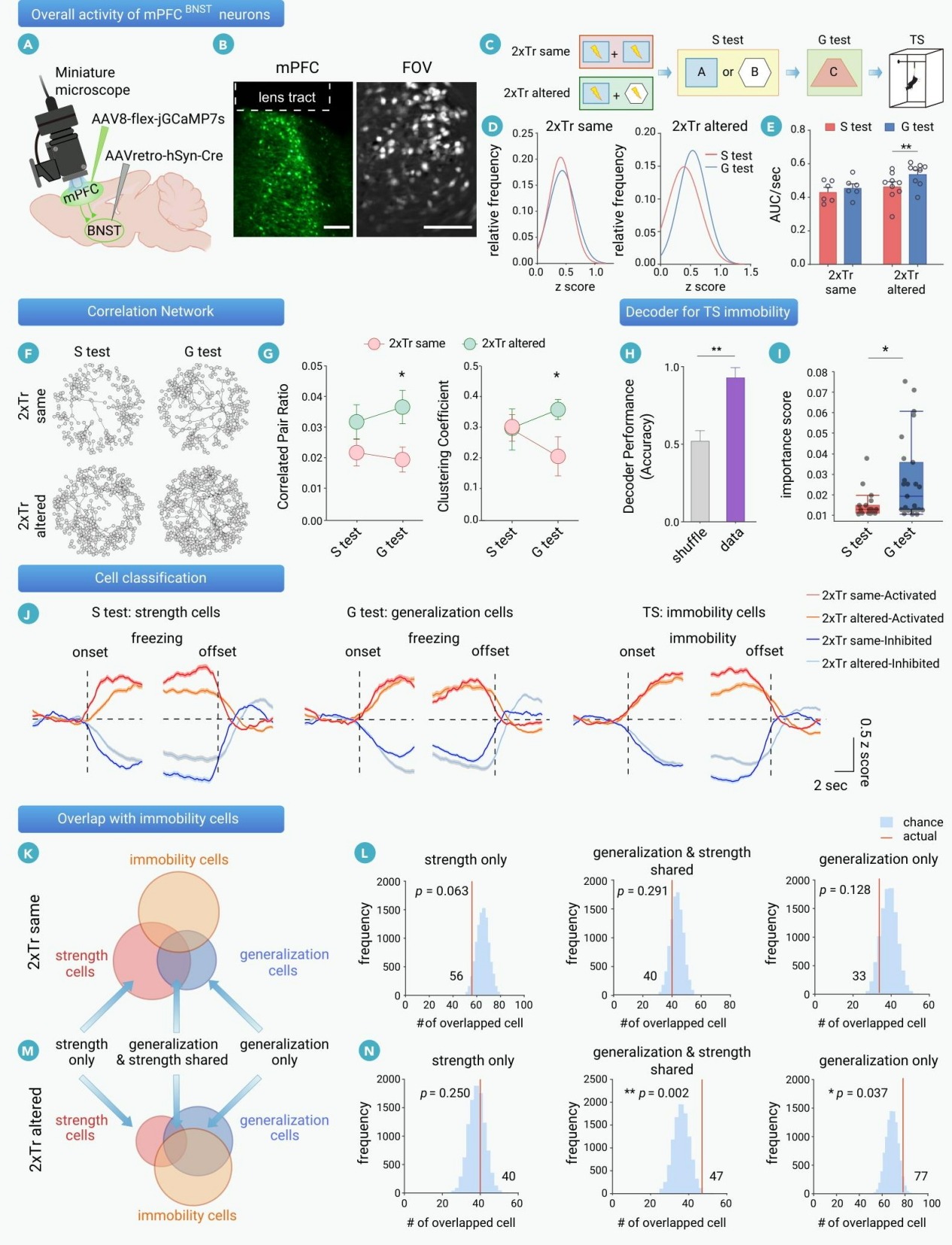
To verify whether the neuronal clusters encoding memory generalization in the brain after experiencing unpredictable negative events overlap with clusters encoding stress-related behaviors, the study recorded calcium activity from mPFCBNST neurons in freely moving mice using a miniaturized microscope. The mice completed the same/different context fear conditioning, memory testing, and tail suspension experiments in sequence (Figures 4A-4C). Compared to the 2xTr same group, the 2xTr altered group showed significantly higher overall mPFCBNST neuronal activity during memory generalization testing. Functional network analysis revealed that, under this paradigm, the synchrony and connectivity of the neuronal clusters mediating fear generalization were significantly enhanced (Figures 4D-4G). Further use of a random forest classifier to predict stress-related behaviors found that the calcium activity features during memory generalization testing were significantly more important for predicting immobility in the tail suspension test than for predicting memory strength (Figures 4H, 4I). K-means clustering and permutation tests (Figure 4J) verified that only after different context training did the "immobility-type neurons" encoding immobility behavior significantly overlap with the "generalization-type neurons" encoding memory generalization and the shared generalization-strength neurons, while there was no overlap with "strength-type neurons" that only encoded memory strength, and a trend of separation was even observed in the same context training group (Figures 4K-4N).

In summary, after negative experiences in different contexts, mPFCBNST neurons showed enhanced responses to contextual changes and stronger network connectivity. Additionally, the neuronal clusters encoding memory generalization significantly overlapped with the clusters encoding stress-related behaviors.


Figure 4. After Negative Experiences in Different Contexts, mPFCBNST Neuronal Clusters Encoding Memory Generalization (Not Memory Strength) Overlap with Neuronal Clusters Encoding Stress-Related Behaviors


Connectivity Features of the mPFC→BNST Projection Pathway

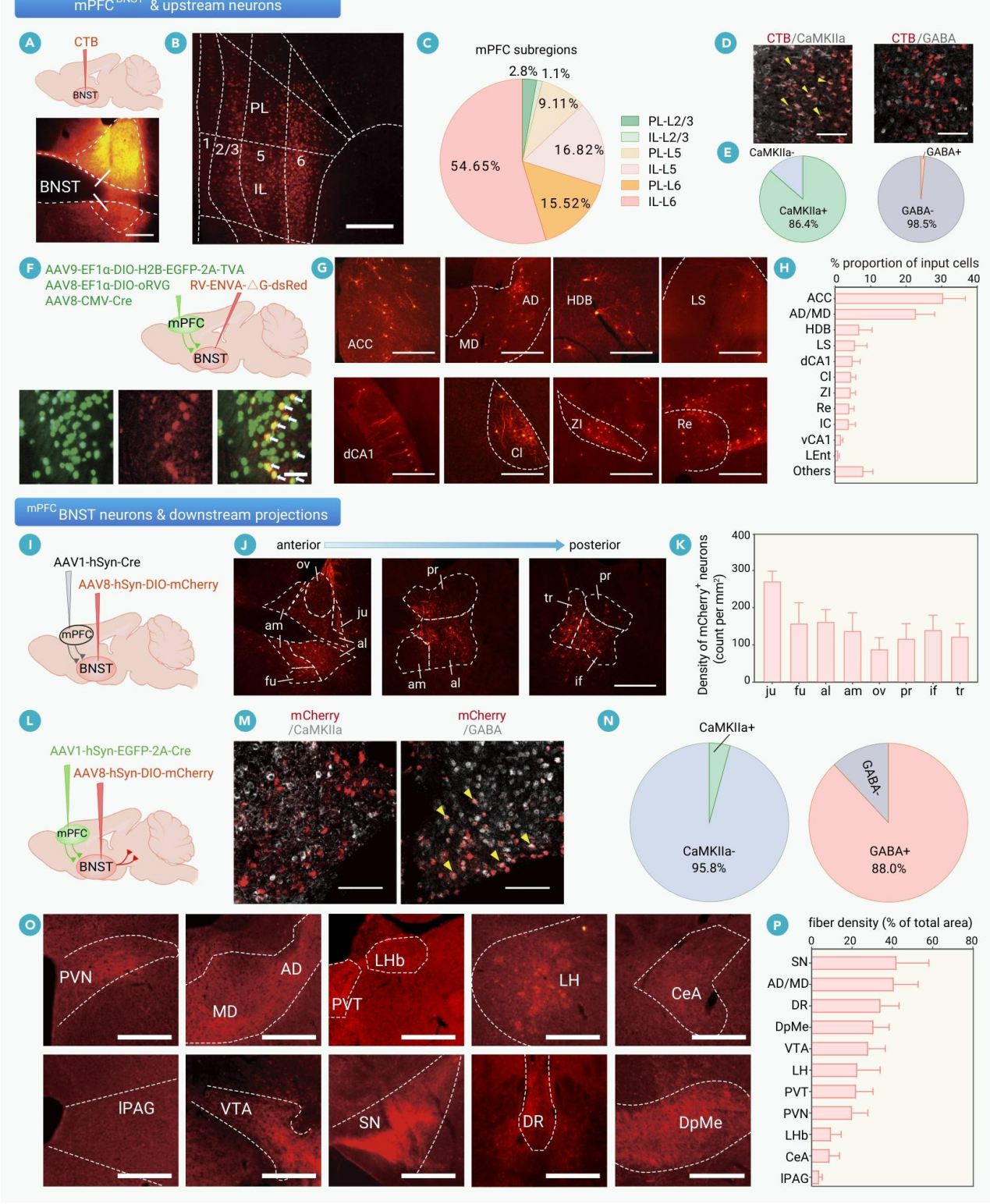
To explore the distribution and cell-type characteristics of mPFCBNST neurons, the study used CTB dye and immunohistochemistry. The results showed that the mPFC neurons projecting to the BNST were mainly located in the deep layers of the infralimbic cortex (IL), and most of them were excitatory neurons (Figures 5A-5E). Retrograde transsynaptic tracing with recombinant rabies virus indicated that the monosynaptic inputs to the mPFC→BNST neurons mainly originated from the ACC, dorsal anterior thalamic nucleus, and dorsomedial thalamic nucleus (Figures 5F-5H). The mPFC projections to the BNST were primarily enriched in the lateral subregion (including the para-BNST, fusiform BNST, and anterolateral BNST), with fewer projections in other subregions (Figures 5I-5K). The mPFC-targeted BNST neurons were primarily inhibitory neurons (Figures 5L-5N). Additionally, AAV1 anterograde transsynaptic tracing further showed that mPFC-controlled BNST neurons could project to subcortical brain regions involved in motivation and valence processing, such as the ventral tegmental area (VTA) and lateral habenula (LHb) (Figures 5O-5P).

Figure 5. Connectivity Features of the mPFC→BNST Projection Pathway


Activation of mPFC→BNST Projections Promotes the Occurrence of Stress-Related Behaviors

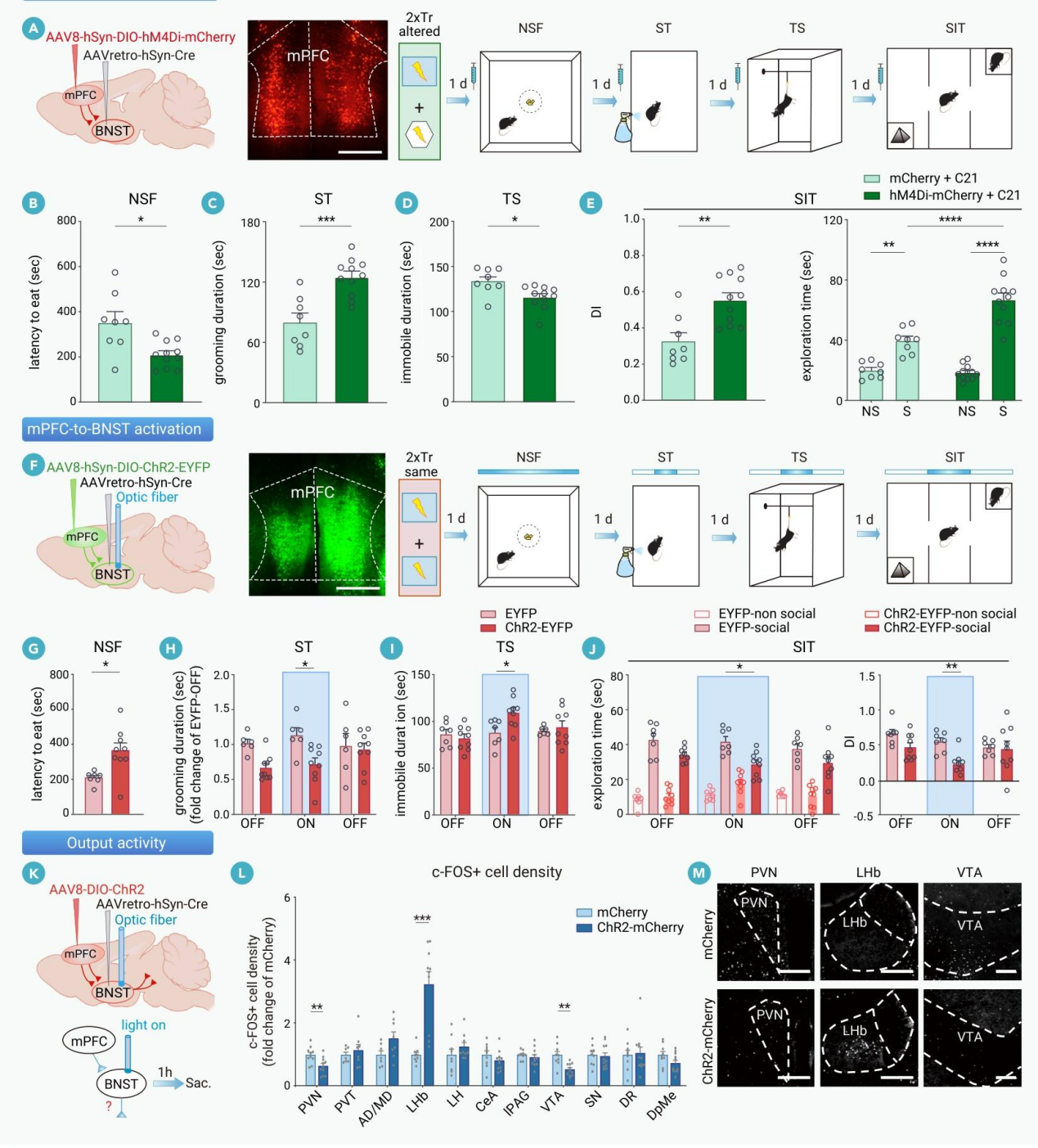
The study further explored the influence of the mPFC→BNST projection, which mediates memory generalization rather than memory enhancement, on stress-related behaviors after negative experiences. In mPFCBNST neurons specifically expressing hM4Di, mice were trained using the 2xTr altered paradigm (Figure 6A). It was found that inhibiting mPFCBNST neuron activity improved stress-related behaviors in mice, including shorter latency to feed in a novel environment, increased grooming duration, decreased immobility time in the tail suspension test, and increased social interaction. This effect persisted at both 1 day and 2 weeks post-training (Figures 6B-6E). Conversely, in mPFCBNST neurons expressing ChR2 and with fiber optic implants in the BNST, optogenetic activation of the projection pathway (Figure 6F) showed that activation of the mPFC→BNST projection after the 2xTr same paradigm induced stress-related behaviors in mice at both 1 day and 2 weeks post-training (Figures 6G-6J). Consistent with the behavioral phenotypes, activation of the projection led to activation of the lateral habenula and decreased activity in the ventral tegmental area, aligning with brain activity patterns observed in aversion and stress states (Figures 6K-6M). These results suggest that activation of the mPFC→BNST projection can promote both negative memory generalization and stress-related behaviors without affecting memory enhancement.

Figure 6. Activation of the mPFC→BNST Projection Promotes Stress-Related Behaviors


Activation of the Specific Memory Generalization Consolidation Mechanism Aggravates Stress-Related Behaviors

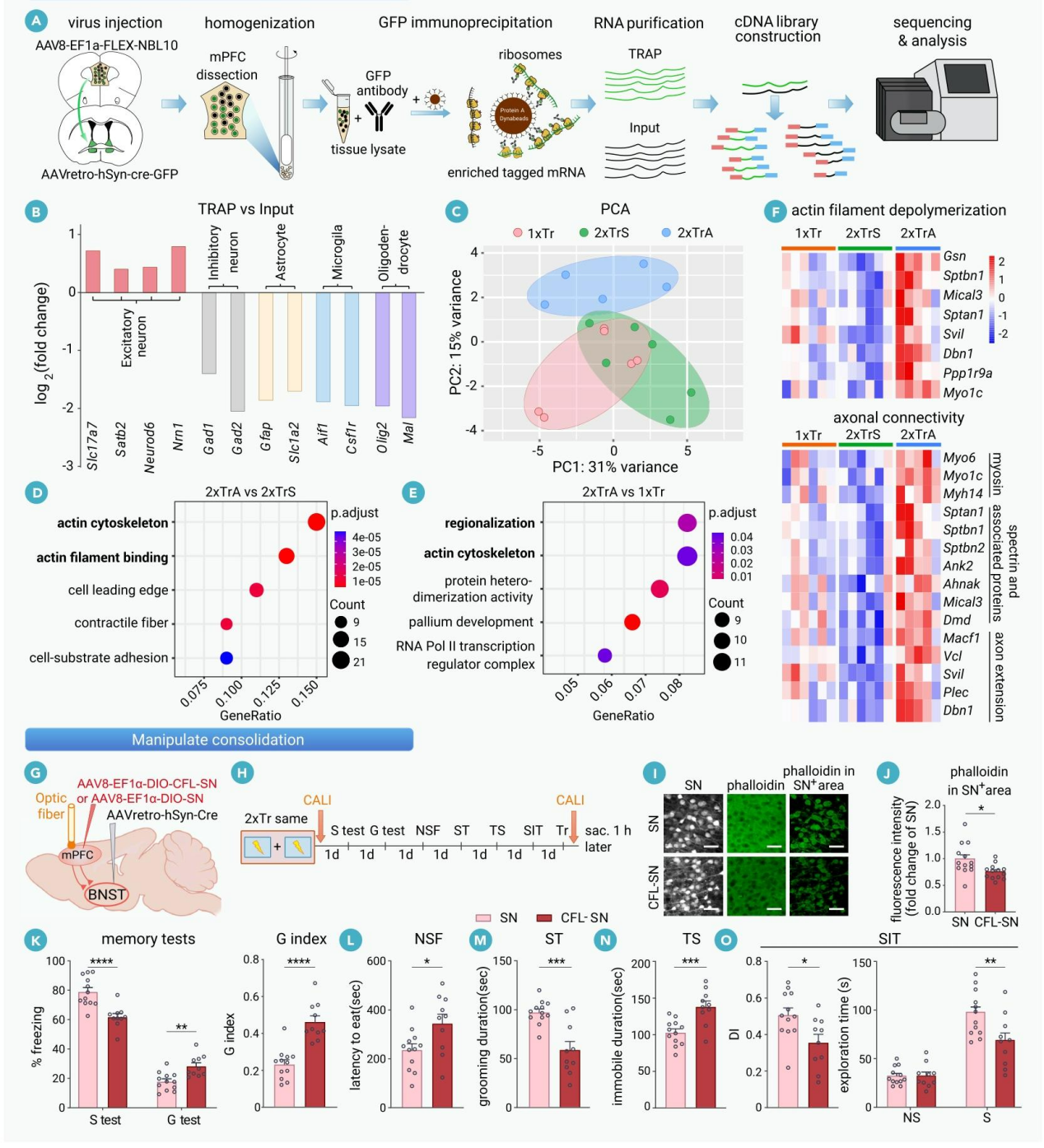
A series of experiments were conducted to investigate the neural mechanisms by which memory generalization promotes stress-related behaviors. Using Retro-TRAP technology, NBL10 fusion proteins were expressed in mPFCBNST neurons to specifically capture their translating ribosome-associated RNA and detect transcriptomic changes in these neurons under different training paradigms (Figure 7A). The results showed that compared to total RNA samples, the TRAP-purified samples were enriched with excitatory neuron markers, and expression of inhibitory and glial cell markers was reduced, confirming the cell-type specificity of the technique (Figure 7B). Principal component analysis revealed a clear separation of the transcriptomic profiles between the 2xTr altered group and the other two groups (1xTr and 2xTr same) (Figure 7C). The differentially expressed genes were mainly enriched in actin cytoskeleton pathways, with upregulation of genes related to actin depolymerization and axon connection (Figures 7D-7F). Using CALI (chromophore-assisted light inactivation), the activity of mPFCBNST neurons expressing photosensitive proteins was inhibited, leading to acute destabilization of the actin cytoskeleton (Figures 7G, 7H). The results showed that in the 2xTr same paradigm, implementing this intervention during the memory consolidation phase (post-training) could induce memory generalization, inhibit memory enhancement, and trigger stress-related behaviors (Figures 7K-7O). These results suggest that actin cytoskeleton remodeling in mPFCBNST neurons during memory consolidation drives memory generalization and promotes stress-related phenotypes.

Figure 7. Activation of the Memory Generalization-Specific Consolidation Mechanism Promotes Stress-Related Behaviors

 
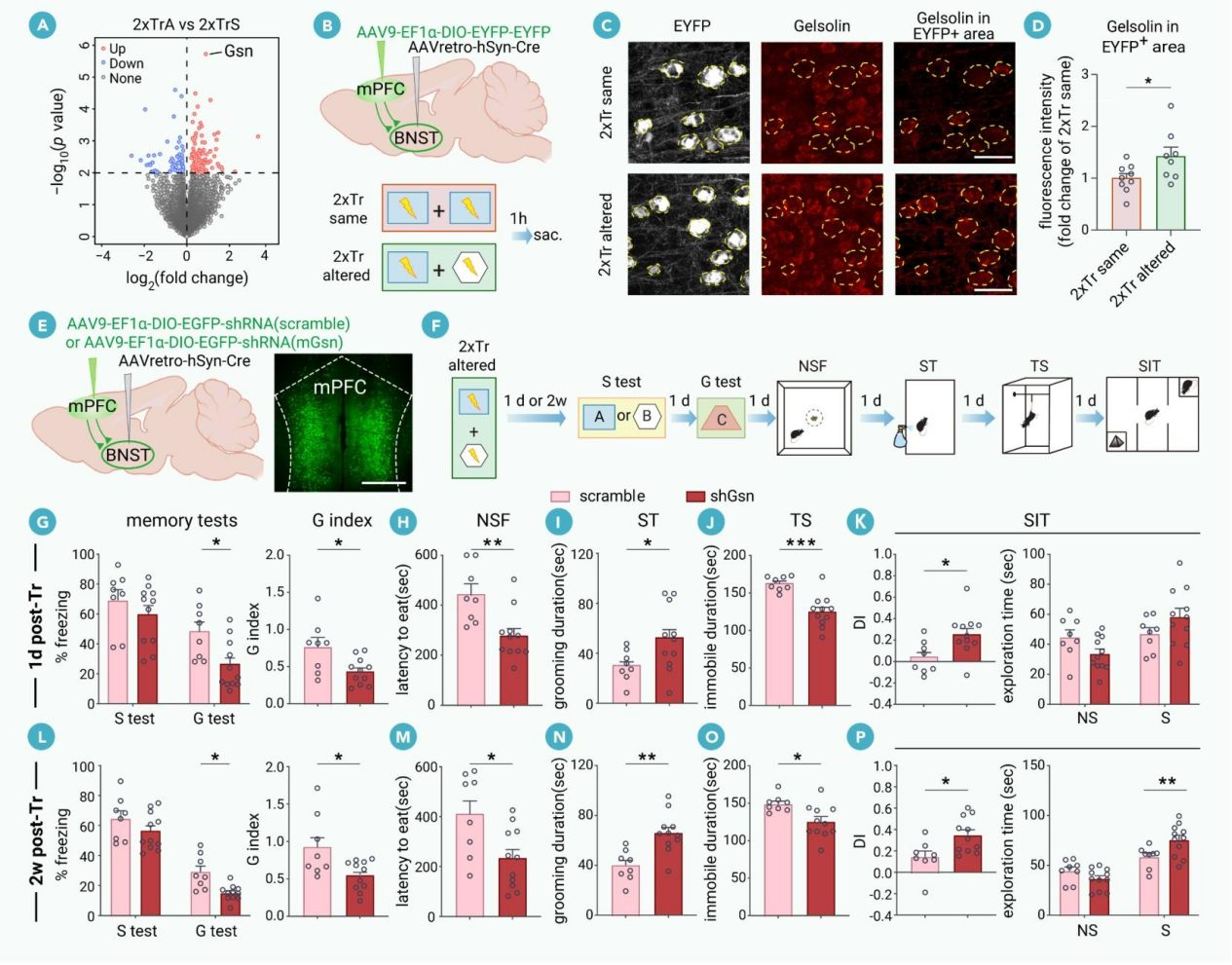
The study further focused on the core candidate gene specifically upregulated in the memory generalization group (2xTr altered)— gelsolin (Gsn), which is a potent actin filament severing and capping protein (Figure 8A). Immunofluorescence results showed that Gsn protein expression in mPFCBNST neurons was significantly higher in the 2xTr altered group compared to the 2xTr same group (Figures 8B-8D). Specific knockdown of Gsn in mPFCBNST neurons during 2xTr altered paradigm training reduced memory generalization and stress-related behaviors in mice without significantly affecting memory strength (Figures 8E-8P). In summary, actin cytoskeleton remodeling mediated by Gsn in mPFCBNST neurons is a key molecular mechanism for the consolidation of negative memory generalization and the occurrence of stress-related behaviors.

Figure 8. Gsn Protein is a Key Molecule in mPFCBNST Neurons Regulating Memory Generalization and Stress-Related Behaviors


Summary

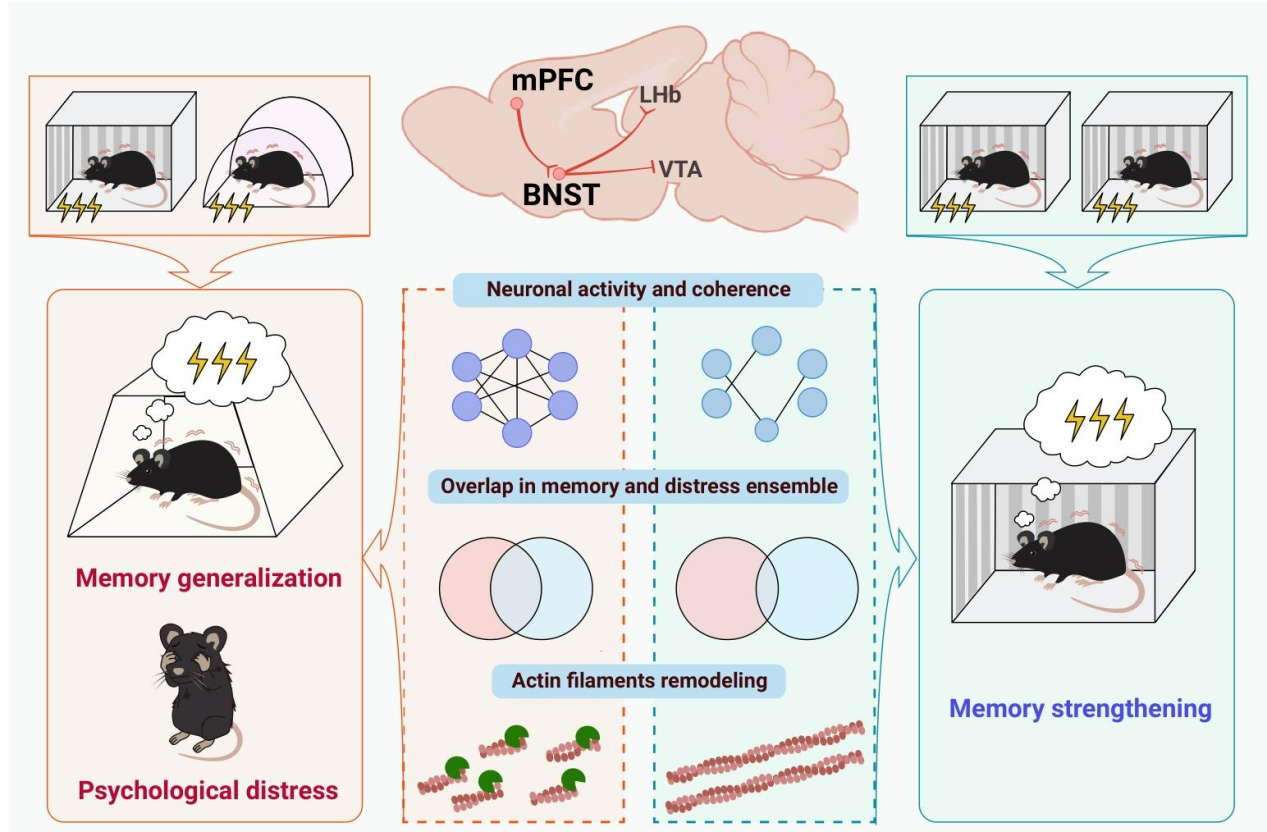
This study challenges the traditional view in depression research that places "stress experience" at its core. By establishing a behavioral paradigm that distinguishes memory enhancement from generalization, the study confirms from four levels—behavioral, neural circuits, neuronal clusters, and molecular—that negative memory generalization (rather than simple enhancement) is a key factor in regulating stress-related behaviors. Negative experiences in different contexts specifically activate the mPFC→BNST projection, and the neuronal clusters in this pathway show synergistic dynamic enhancement during memory generalization testing, which highly overlaps with clusters encoding stress behaviors. At the molecular level, actin cytoskeleton remodeling mediated by Gsn in mPFC→BNST neurons is a key mechanism for memory generalization consolidation. Interfering with this process directly alters the degree of memory generalization and regulates stress phenotypes. This suggests that restoring the context specificity of memories and reducing excessive generalization may be more effective than eliminating the memory itself. Targeting this mechanism could provide a new direction for depression treatment.

Figure 9. Schematic of How Negative Memory Generalization Induces Stress-Related Behaviors


The tool viruses used in this study are available from Brain Case:
Product Category Product Number Product Name
Fluorescent Protein BC-0025 rAAV-hSyn-DIO-mCherry
Recombinant Enzymes BC-0243/1 rAAV-CMV-Cre
BC-0160 rAAV-hSyn-EGFP-P2A-Cre
BC-0159 rAAV-hSyn-SV40 NLS-Cre
Chemogenetics BC-0153 rAAV-hSyn-DIO-hM4D(Gi)-mCherry
Optogenetics BC-0101 rAAV-CaMKIIα-hChR2(H134R)-mCherry
BC-4623 rAAV-hSyn-DIO-eNpHR3.0-P2A-mCherry
Calcium Imaging BC-0088 rAAV-EF1α-DIO-GCaMP6f
RV Retrograde Transsynaptic BC-0041 rAAV-EF1α-DIO-EGFP-T2A-TVA
BC-0442 rAAV-EF1α-DIO-N2cG
BC-RV-CVS462 CVS-N2c-ΔG-tdTomato
 
Brain Case also offers various customized services.
 Please contact
bd@ebraincase.com for more information
 

Service Type :

Select the service you'd like to purchase.

Order Information(Premade-AAVs)

Please provide us some information about the service you'd like to order.

How did you hear about BrainCase Biotech or our products?(Fill in this field to get a discount coupon)

Detailed requirements:

scroll

Order Information(Custom AAV/Lentivirus)

Please provide us some information about the service you'd like to order.

Gene ID or gene information:

Selection of the reporting gene:

Special Instructions:

scroll

Order Information(Others)

Please provide us some information about the service you'd like to order.

Virus name/Detailed requirements:

scroll

Related products

Client Article | The Innovation | Team of Xiaojing Ye, Weijie Lin, and Yanni Zeng from Sun Yat-sen University Reveals New Mechanism of Depression and Anxiety: mPFC→BNST Circuit Regulates Memory Generalization and Stress Behavior

Client Article | The Innovation | Team of Xiaojing Ye, Weijie Lin, and Yanni Zeng from Sun Yat-sen University Reveals New Mechanism of Depression and Anxiety: mPFC→BNST Circuit Regulates Memory Generalization and Stress Behavior

400+ Customer Publications Collection

400+ Customer Publications Collection

Client Article | Neuron | Xinan Liu/ Zuxin Chen Team from Shenzhen Institute of Advanced Technology Reveals "Gut-Brain" Pathway Mediating the Antiepileptic Effects of Probiotics

Client Article | Neuron | Xinan Liu/ Zuxin Chen Team from Shenzhen Institute of Advanced Technology Reveals "Gut-Brain" Pathway Mediating the Antiepileptic Effects of Probiotics

Customer Article | Cell | Fudan University’s YiZhou Jiang, ZhiMin Shao, JinFei Ni, and Yi Xiao Team Reveal the Role of Sensory Neurons in Regulating the Tumor Microenvironment in Triple-Negative Breast Cancer (TNBC),Providing New Targets for Immunotherap

Customer Article | Cell | Fudan University’s YiZhou Jiang, ZhiMin Shao, JinFei Ni, and Yi Xiao Team Reveal the Role of Sensory Neurons in Regulating the Tumor Microenvironment in Triple-Negative Breast Cancer (TNBC),Providing New Targets for Immunotherap

map
{dede:global.cfg_webname/}

Pre-made AAV Library

CRISPR
RNAi
Neurotropic virus
Optogenetics activation
Biosensors

News

Corporate News
New Product Launch
Test Report
Investor News

Support

Literature interpretation
Customer article
FAQs
Blog
Legal
微信

WhatsApp Business Account

Tel: +8618971215294
E-mail: BD@ebraincase.com

Address:-

Address:-

  • Copyright © 2024 Brain Case All Rights Reserved.