E-mail:BD@ebraincase.com
Tel:+8618971215294
English 中文版
Pioneering Innovation in Gene Vector Research - BrainCasePioneering Innovation in Gene Vector Research - BrainCase
  • Home
  • Pre-made AAV Library
    CRISPRRNAiHSV-helperRV-helperNeurotropic virusCalcium SensorsOptogenetics activationOptogenetics inhibitionChemical geneticsSparse labelingFluorescent proteinBiosensorsRecombinaseApoptosis & AutophagyDisease ModelNeurotoxicityOther
  • Products & Service

    Product Center

    Virus

    Vesicular Stomatitis Virus-VSV
    RCAS-TVA
    Lentivirus
    Rabies Virus-RABV
    Herpes simplex virus-HSV
    Pseudorabies virus-PRV
    Adeno-Associated Virus-AAV
    Neurotropic virus list
    Baculovirus

    Kits & Regents

    EndoFree Plasmid Maxi Kit
    Lentivirus Concentration Kit
    VESSL Exosome Solutions

    Plasmid Construction & Vector cloning

    Lentiviral Vector
    AAV Vector
    Plasmid
    Plasmid Library

    Popular Applications

    Gene Regulation

    Gene Overexpression-Brain Case
    RNA interference(RNAi)-siRNA-Brain Case
    Gene Editing - CRSIPR cloning - BrainCase

    Neural Circuit Function Research

    Optogenetics - BrainCase
    Chemical genetics-DREADDs-Brain Case
    Calcium signal recording-Gels- Brain Case
    GRAB Neurotransmitter Fluorescent Sensor- Brain Case
    Functional Magnetic Resonance Imaging Technology- Brain Case

    Research on the structure of neural circuits

    Direct Input and Output-viral vectors- Brain Case
    Anterograde Mono-synaptic Tracing -HSV- Brain Case
    Antrograde Muti-synaptic Tracing-HSV & VSV-Brain Case
    Retrograde Mono-synaptic Tracing-Rabies Virus-Brain Case
    Retrograde Muti-synaptic Tracing-PRV-Brain Case

    Featured Services

    Experiment Service

    Research Services | Neural Circuit Tracing + Targeted Spatial Omics + Neuronal Classification Analysi
    BrainCase Biotech| Whole-Brain Transparency Imaging and Analysis Services

    AAV Serotype Screening

    AAV Serotypes screening-gene therapy

    Collaboration Products

    Kiryl Piatkevich lab
    Yulong Li lab
    Zhifei Fu lab
    Woo-ping Ge lab

    Oncolytic Virus Modification

    Oncolytic virus-for cancer therapy-Brain Case
    Herpes Virus Vector-anti-tumor- BrainCase
    Vesicular stomatitis virus-killing tumor cells-Brain Case
  • News
    Corporate News New Product Launch Test Report Investor News
  • Support
    Literature interpretation Customer article FAQs Blog Legal
  • About Us
    Pre-made AAV Library Products & Service News Support About Us Contact
  • Contact
    Contact Us Join us
  • 中文
    English 中文版
  • Home
  • Support
  • Literature interpretation
  • Support
  • Literature interpretation
  • Customer article
  • FAQs
  • Blog
  • Legal

Nature Reviews Neurosci: A Summary of Astrocyte-Specific Targeting and Manipulation Tools!

Release time:2026-04-27 16:42:51
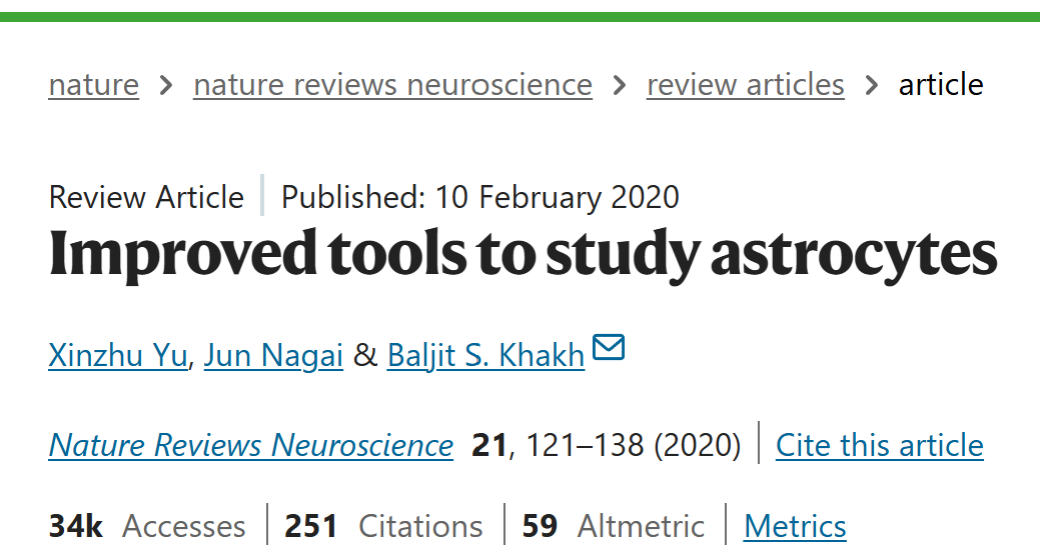
Astrocytes are a type of glial cell that covers the central nervous system. They interact with various cell types, including neurons, other glial cells, and blood vessels, and are involved in or associated with brain diseases. Research on astrocytes has made progress, but detailed information on how they perform multiple functions and when and how they affect the neural circuits they interact with remains scarce, mainly due to the lack of reliable tools to study astrocytes in the central nervous system of adult vertebrates. However, in recent years, improved molecular, genetic, morphological, and physiological assessment tools have been developed. In 2020, Professor Baljit S. Khakh's team at the University of California published a review article in Nature, summarizing these tools, their uses, limitations, and related information.

https://www.nature.com/articles/s41583-020-0264-8
 

1. Genetic Targeting of Astrocytes

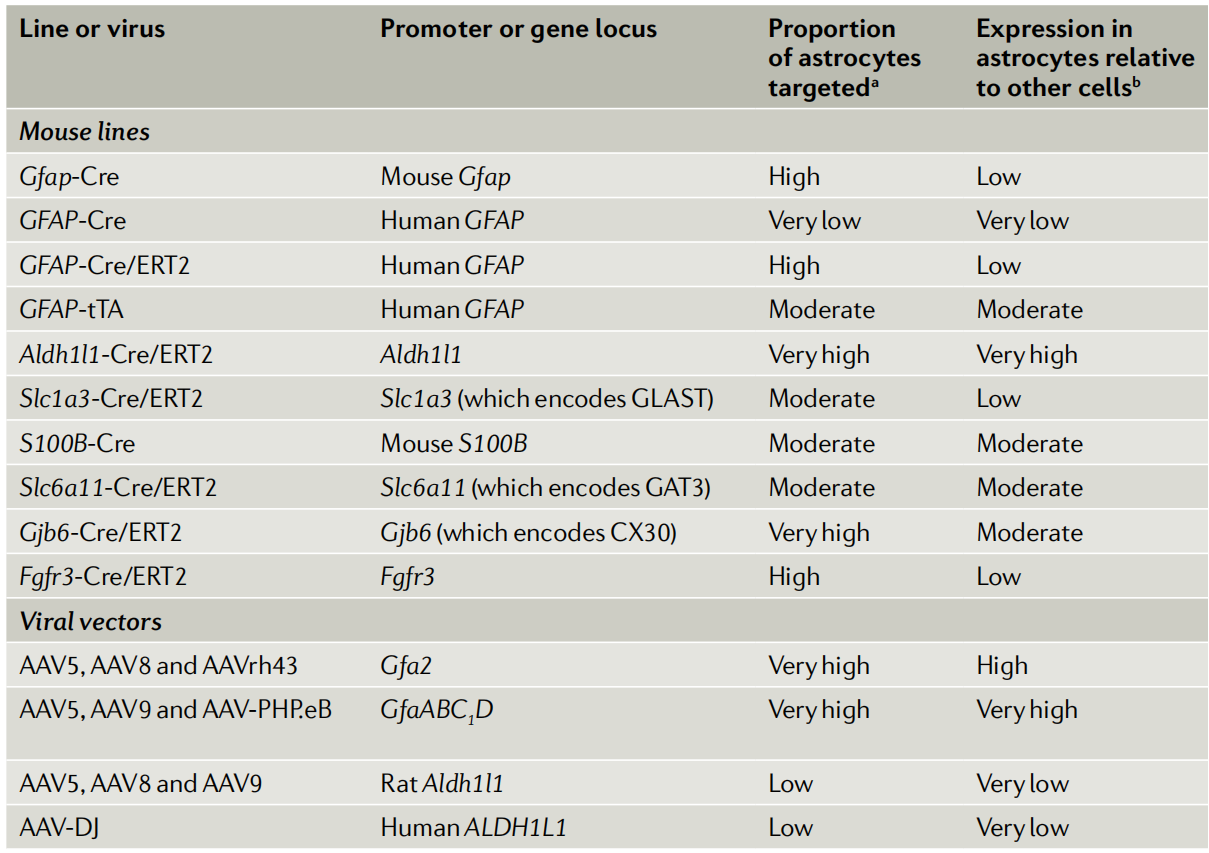
Mouse strains that can target and manipulate astrocytes in vivo are extremely useful in neurobiological research. However, there is a lack of mouse strains that perfectly target astrocytes, and existing strains each have limitations. Mouse strains expressing Cre recombinase in astrocytes can be combined with other Cre-dependent mice or viruses to express reporter genes, sensors, and effectors. When choosing a genetic strategy to express or knockout genes in astrocytes, two factors must be considered: the proportion of astrocytes targeted in the desired brain region (referred to as efficiency), and the degree to which other cell types are excluded from being targeted (referred to as specificity).

Virus Vectors in Astrocyte Gene Targeting

Transgenic methods affect multiple brain regions and peripheral organs, making it difficult to study local neural circuit regulation and behavioral outcomes. Virus vectors, however, enable gene delivery to astrocytes in specific brain regions, overcoming this limitation. Lentivirus and adeno-associated viruses (AAVs) are the most commonly used viral vectors in astrocyte research. Compared to transgenic mouse strains, they offer regional specificity and can be applied flexibly in different species and disease models. Lentiviruses can carry larger cargo (about 8kb), whereas AAVs do not integrate into the genome and can be concentrated to higher titers to improve efficiency. Some viruses also exhibit natural selectivity for astrocytes. The GfaABC₁D promoter (681 bp) is derived from the human GFAP promoter gfa2, and has approximately twice the activity of gfa2, making it smaller and more suitable for viral vectors. It can efficiently and specifically drive gene expression in astrocytes in most studies, though leakage of expression to other cell types during Cre-mediated recombination may occur. Notably, the Aldh1l1 promoter in viral vectors preferentially drives expression in neurons in multiple regions of the rodent brain. The AAV variant PHP.eB combined with the GfaABC₁D promoter can efficiently transduce astrocytes across the entire brain via intravenous injection, without the need for microinjection into the brain, though it lacks brain region specificity. It is important to note that viral tropism can vary depending on the developmental stage, brain region, mouse genetic background, the gene being carried, and the route of administration.

Figure 1: Transgenic Mouse Strains and Viral Vectors Targeting Astrocytes


2. Exploring Astrocyte Calcium Signaling

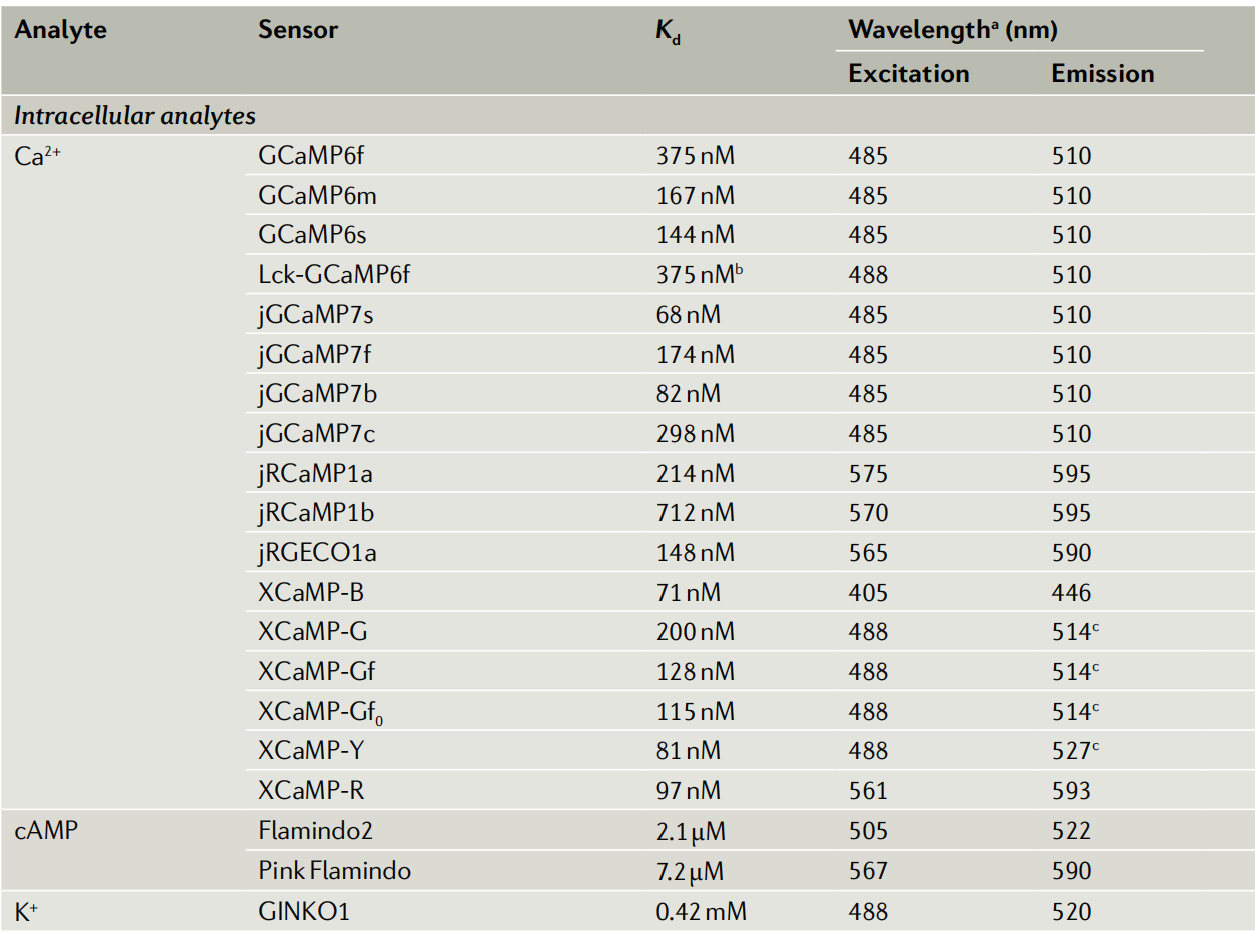
It has been widely reported that astrocytes exhibit dynamic and diverse Ca²⁺ signals, including in highly localized microdomains of their processes. The sources of astrocyte Ca²⁺ signals involve various pathways, including receptors, channels, exchangers, and pumps on the cell membrane, as well as intracellular organelles such as mitochondria, endoplasmic reticulum, Golgi apparatus, and acidic organelles. The core question currently being investigated is whether astrocyte Ca²⁺ signaling leads to changes in neural circuit functions and behavior. This research has been made possible by the use of genetically encoded calcium indicators to monitor astrocyte Ca²⁺ signals in vivo and in adult brain slices. These advancements have further driven studies on "methods to increase and decrease astrocyte Ca²⁺ signaling" and "the molecular and cellular consequences of such manipulations," with a focus on tools for selectively stimulating and inhibiting astrocyte Ca²⁺ signaling.

Figure 2: Genetically Encoded Sensors Useful for Astrocyte Research
 

Increasing Astrocyte Ca²⁺ with LiGluR

LiGluR (Light-Controlled Ionotropic Glutamate Receptor) is a type 6 ionotropic glutamate receptor that carries mutations enabling it to form a reversible covalent bond with a photoisomeric molecule called Maleimide-Azobenzene-Glutamate (MAG). Optical stimulation of LiGluR bound to MAG on astrocytes induces channel pore opening and increases intracellular Ca²⁺. Interestingly, light-stimulated astrocytes release glutamate through anion channels on their membrane, leading to Ca²⁺ signaling propagation to neighboring astrocytes lacking LiGluR. LiGluR has not yet been used to stimulate astrocytes in vivo, possibly due to the challenge of delivering MAG harmlessly to the brain.

Increasing Astrocyte Ca²⁺ Signaling with DREADDs

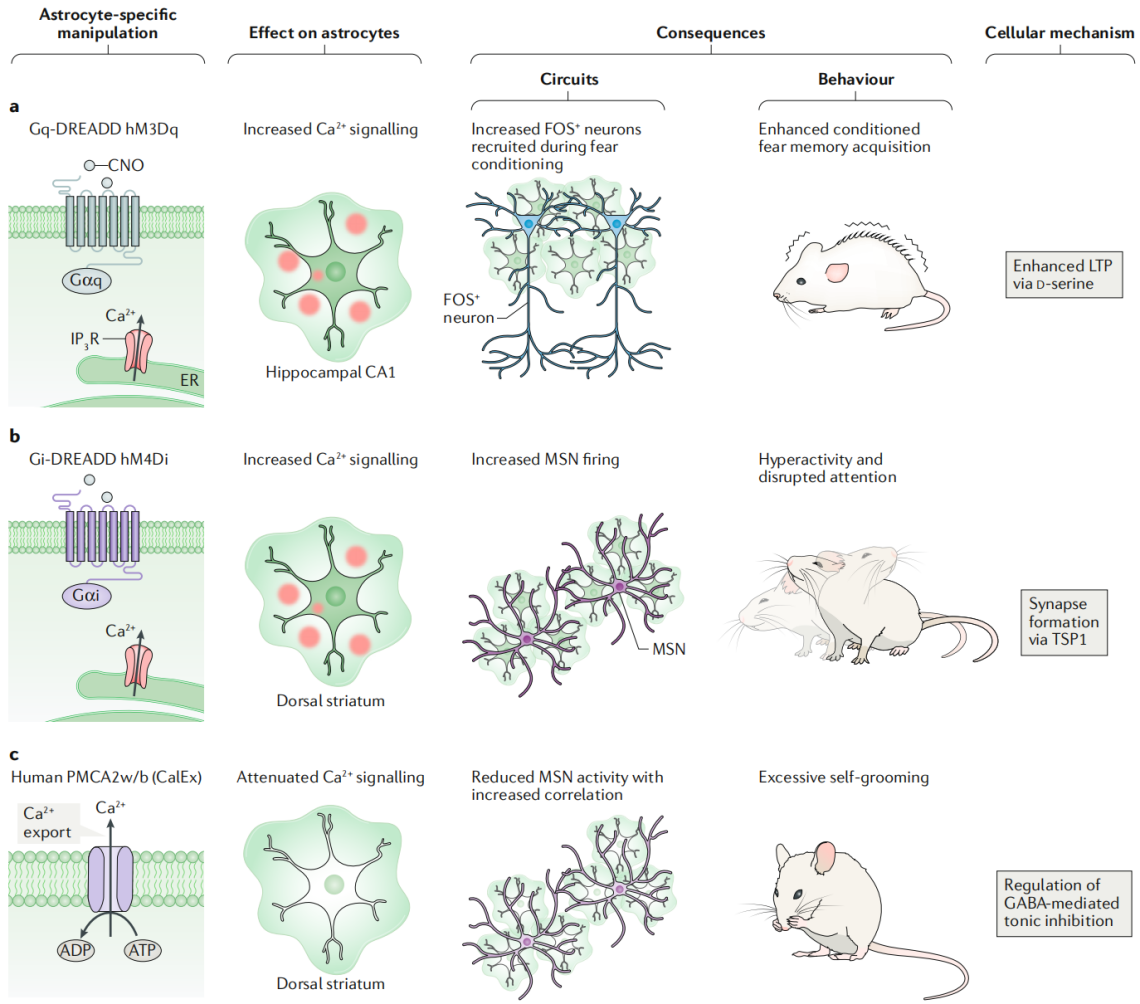
Astrocytes express various G-protein coupled receptors (GPCRs), but endogenous GPCRs also exist in other cells such as neurons, complicating pharmacological targeting studies. DREADDs (Designer Receptors Exclusively Activated by Designer Drugs) are engineered GPCRs that respond weakly to natural ligands and only to synthetic inert ligands such as CNO. These can non-invasively and gene-specifically stimulate astrocyte GPCR pathways. Types like Gq-coupled hM3Dq and Gi-coupled hM4Di, when expressed in striatal and hippocampal astrocytes via AAVs, show that CNO-induced Ca²⁺ signaling is similar to endogenous signals. Gq, Gi, and Gs type DREADDs can trigger Ca²⁺ signals with regional differences (e.g., stronger Gi signals in the striatum than the hippocampus). Studies also indicate that astrocyte Ca²⁺ signaling regulates behavior, with Gq activation influencing feeding, fear expression, and recent memory, while Gi activation affects synaptic transmission, hyperactivity, and memory.

Figure 3: Causal Role of Astrocyte Intracellular Ca²⁺ Signaling Revealed by New Tools


Increasing Astrocyte Ca²⁺ with Channelrhodopsin 2 (ChR2)

ChR2 is a light-controlled non-selective cation channel derived from algae that mediates the influx of protons, sodium, and other cations when stimulated by blue light (~470 nm). When expressed in neurons, it can induce membrane depolarization and action potentials, greatly advancing systems neuroscience. Its use in stimulating astrocyte excitation has been employed to study astrocyte roles in regulating neural circuits and behaviors, including respiration, selective visual cortical responses, blood flow regulation, sleep, and cerebellar motor functions. Research shows that ChR2 stimulation in astrocytes transiently elevates extracellular K⁺ levels, affecting neuronal firing, and this change also impacts astrocytes, microglia, and vasculature. Furthermore, the opsin Arch, which has inhibitory effects in neurons, can enhance Ca²⁺ signaling in cortical astrocytes, suggesting that some tools may have different effects on neurons and astrocytes.


Increasing Astrocyte Ca²⁺ with Melanopsin

Melanopsin is a light-activated GPCR naturally found in retinal ganglion cells and can be activated by blue light (~470–480 nm) and deactivated by yellow light. It almost exclusively induces Gq signaling in neurons. Recently, through AAV expression, melanopsin has been used to selectively stimulate astrocyte Ca²⁺ signaling. Continuous light stimulation of hippocampal astrocytes for 1–20 seconds increases Ca²⁺ signal frequency in their fine processes, with cell body signals triggered only after stimulation longer than 10 seconds. This signal is dependent on IP₃ (disappearing in IP₃R2 knockout mice). Short pulse light stimulation enhances astrocyte Ca²⁺ signaling and simulates short-term potentiation, while low-frequency light stimulation triggers long-term potentiation and enhances contextual memory (consistent with DREADD stimulation results). These findings suggest that melanopsin is a time-controllable light stimulation tool, potentially simulating endogenous oscillatory patterns in GPCR pathways.

Increasing Astrocyte Ca²⁺ with Opto-XRs (Light-Sensitive GPCRs)

Light-controlled GPCR pathways (like opto-XRs) offer faster time control than traditional pharmacological methods, aiding in the assessment of time-locked changes in synaptic function and behavior. Opto-XRs, by replacing the internal loop of vertebrate rhodopsins, can recruit pathways mediated by Gq, Gs, and others, with some having been validated in neurons. In astrocytes, stimulation of opto-α1-ARs replicated the effect of Gq-DREADD stimulation of hippocampal astrocytes in enhancing fear memory. Other opto-XRs have yet to be tested. Limitations of opto-XRs include a limited light propagation range, potential light-induced heating that could affect neurons, and fewer cells being stimulated compared to chemogenetics. However, chemical genetics and opto-α1-AR Gq pathway activation in hippocampal astrocytes have similar effects on fear memory.

Lowering Astrocyte Ca²⁺ via Targeting IP3

Astrocyte Ca²⁺ signaling is complex, with the main pathway being the activation of GPCRs, which leads to IP3 production and subsequent stimulation of IP3 receptors (mainly IP3R2) on the endoplasmic reticulum to release Ca²⁺. In IP3R2 knockout mice, spontaneous and Gq-GPCR-mediated Ca²⁺ signals in astrocytes are significantly weakened, and related studies have been widely reviewed. An IP3 sponge (based on the IP3R1 ligand-binding site) expressed in astrocytes using the GLT1 promoter system reduces hippocampal astrocyte mGluR-mediated Ca²⁺ responses and synaptic coverage, which is associated with hippocampal-dependent behavioral deficits. However, there is a leakage of expression to neurons. The p130PH (IP3 buffer) expressed via AAV with the GfaABC1D promoter inhibits ATP-induced Ca²⁺ elevation in cortical astrocytes. Hypothalamic expression in mice reduces feeding (opposite to Gq-DREADD activation which increases feeding). However, p130PH also binds to other phospholipids, which could affect the interpretation of the results.

Lowering Astrocyte Ca²⁺ via Calcium Exchangers

Astrocyte Ca²⁺ signaling exhibits diversity, and researchers have developed genetic methods independent of Ca²⁺ sources. By overexpressing the efficient calcium pump PMCA2w/b, which is not endogenously expressed in astrocytes, on the surface of striatal astrocytes controlled by the GfaABC1D promoter through AAV, they were able to reduce the amplitude and duration of spontaneous and GPCR-mediated Ca²⁺ signals by about 80%, with no significant change in frequency. In adult mice, reducing Ca²⁺ signals in dorsal-lateral striatal astrocytes leads to repetitive behavior (similar to human obsessive-compulsive disorder symptoms). The mechanism is through the upregulation of the GABA transporter GAT3 in astrocytes, reducing tonic GABA inhibition on striatal neurons. RNA-seq showed that reduced Ca²⁺ levels led to decreased expression of related genes, enhancing GAT3 function. Notably, PMCA2w/b did not significantly change extracellular Ca²⁺ concentrations and did not affect neurotransmitter release probability.
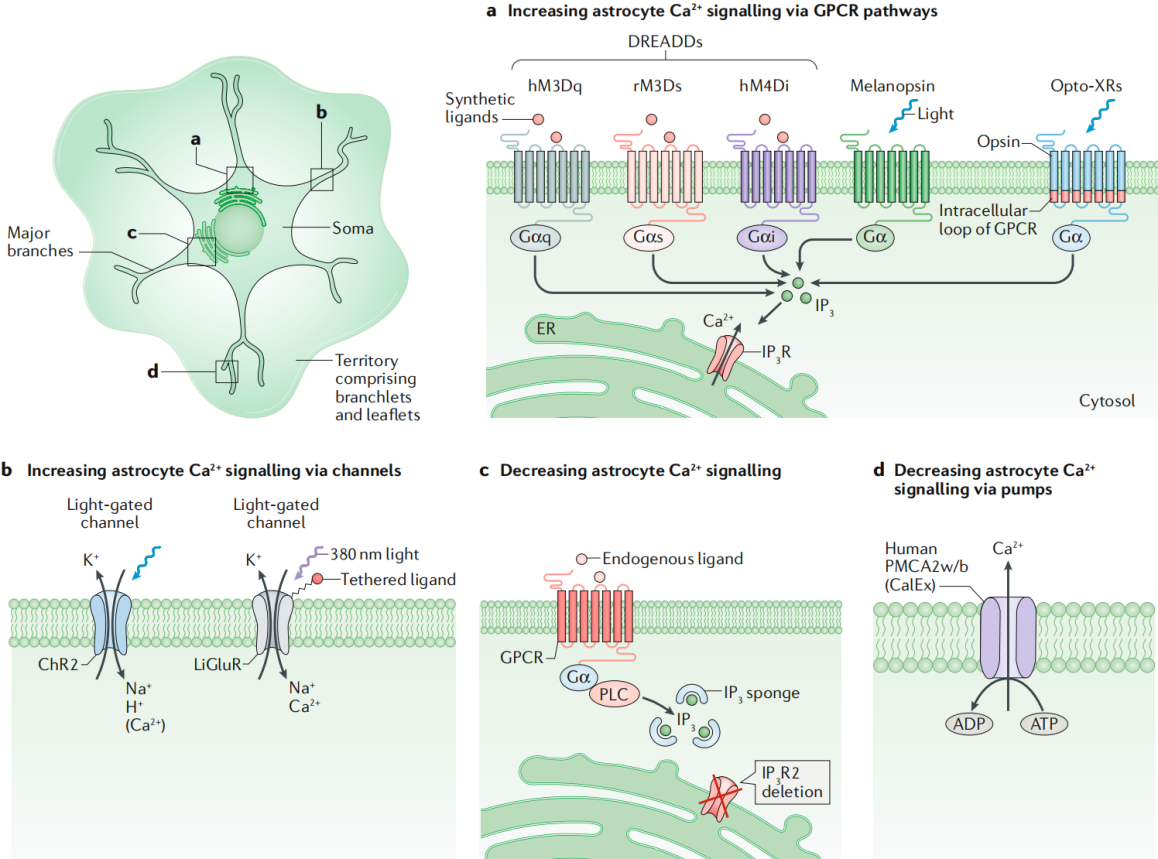
Figure 4: Schematic of Tools for Manipulating Astrocyte Intracellular Calcium Signaling
 

Conclusion

Using currently available methods and technologies, experiments can be designed to explore astrocyte biology from molecular to system levels. However, more methods are needed to explore how various cells in the nervous system— including astrocytes, neurons, and microglia—interact in health, neuroimmunity, and brain-periphery interactions. Full control over models, methods, and technologies is critical for the advancement of neuroglial biology and may lead to significant breakthroughs in cell biology and medicine.

BrainCase Biotech offers a variety of custom and viral packaging services.
For more information and service details,
please contact bd@ebraincase.com

Service Type :

Select the service you'd like to purchase.

Order Information(Premade-AAVs)

Please provide us some information about the service you'd like to order.

How did you hear about BrainCase Biotech or our products?(Fill in this field to get a discount coupon)

Detailed requirements:

scroll

Order Information(Custom AAV/Lentivirus)

Please provide us some information about the service you'd like to order.

Gene ID or gene information:

Selection of the reporting gene:

Special Instructions:

scroll

Order Information(Others)

Please provide us some information about the service you'd like to order.

Virus name/Detailed requirements:

scroll

Related products

Nature Reviews Neurosci: A Summary of Astrocyte-Specific Targeting and Manipulation Tools!

Nature Reviews Neurosci: A Summary of Astrocyte-Specific Targeting and Manipulation Tools!

A New Tool for Visualizing α-Syn Aggregates in Live Brains—α-Syn-6H-EGFP/tdT sensor Experiment Guide

A New Tool for Visualizing α-Syn Aggregates in Live Brains—α-Syn-6H-EGFP/tdT sensor Experiment Guide

Neural Circuit Tracing with AAV & HSV | Anterograde Monosynaptic Tools & Services

Neural Circuit Tracing with AAV & HSV | Anterograde Monosynaptic Tools & Services

Cell Highlight丨Breaking Through AAV Delivery Bottlenecks! AAVLINK Technology Efficiently Delivers Large Genes to Aid in Genetic Disease Treatment

Cell Highlight丨Breaking Through AAV Delivery Bottlenecks! AAVLINK Technology Efficiently Delivers Large Genes to Aid in Genetic Disease Treatment

map
{dede:global.cfg_webname/}

Pre-made AAV Library

CRISPR
RNAi
Neurotropic virus
Optogenetics activation
Biosensors

News

Corporate News
New Product Launch
Test Report
Investor News

Support

Literature interpretation
Customer article
FAQs
Blog
Legal
微信

WhatsApp Business Account

Tel: +8618971215294
E-mail: BD@ebraincase.com

Address:-

Address:-

  • Copyright © 2024 Brain Case All Rights Reserved.