AAV vs. Lentivirus: Key Differences and Applications of Two Masterpieces in Gene Delivery
Release time:2026-01-28 16:56:26
In the fields of gene therapy, disease modeling, and basic research, AAV (adeno-associated virus) and lentivirus are the two most widely used gene delivery vectors. Many researchers often face the same dilemma: Which one should I choose?What scenarios is each best suited for?
In this article, we’ll break down their core differences in clear, accessible language, and back it up with real research examples—so you can quickly find the right direction for your project.
I. Quick Overview of Core Differences
In many cases, choosing the right vector means your experiment is already half successful. Let’s start with a side-by-side comparison of key features to quickly grasp the core differences between the two:
Feature
AAV (Adeno-Associated Virus)
Lentivirus
Gene integration
Non-integrating; genomes mainly persist as episomes in the nucleus. Integration rate ≤2%, with a very low risk of insertional mutagenesis.
Integrating; after reverse transcription, the transgene integrates into the host genome, enabling permanent and stable expression.
Packaging capacity
Relatively small (~4.7 kb), suitable for small genes or interference sequences.
Larger (~8–10 kb), capable of carrying large genes or complex regulatory elements.
Immunogenicity
Very low; no known natural pathogenicity, allows repeat dosing, ideal for long-term in vivo applications.
Low, but repeated in vivo use may trigger immune responses; generally safer for ex vivo applications.
Diffusion capacity
Small viral particles with strong diffusion ability; suitable for systemic administration (e.g., tail vein or intravenous injection).
Limited diffusion; better suited for local injection or ex vivo cell transduction; not ideal for systemic delivery.
Applicable cell types
Efficiently infects both dividing and non-dividing cells; strong tissue tropism (different serotypes can target specific tissues).
Also infects dividing and non-dividing cells; particularly effective for hard-to-transfect cells such as primary cells and stem cells.
II. Application Scenarios
AAV: The Preferred Choice for Long-Term In Vivo Therapy and Precise Disease Modeling
Thanks to its low immunogenicity, long-lasting expression, and strong tissue diffusion, AAV holds a clear advantage in in vivo research and clinical applications—especially in scenarios that require long-term stable expression with a strong emphasis on safety:
🔹Clinical therapy: Neurological disorders (Parkinson’s disease, Alzheimer’s disease), ophthalmic diseases (Leber congenital amaurosis), muscle disorders (Duchenne muscular dystrophy), and systemic genetic diseases such as spinal muscular atrophy (SMA).
🔹Basic research: Rapid and cost-effective construction of animal disease models with simplified procedures, including chronic disease models such as hepatitis B infection and atherosclerosis.
🔹Key strengths: Strong tissue specificity (e.g., AAV9 targeting the central nervous system), making it ideal for systemic delivery and long-term tracking.
Lentivirus: A Core Tool for In Vitro Research and Cell-Based Therapies
Owing to its genomic integration capability, lentivirus is better suited for in vitro experiments and cell therapies that require permanent and stable gene expression. It is a widely used vector in gene editing and cancer research:
🔹Cell therapy: The backbone vector for CAR-T cell therapy (transducing T cells to express chimeric antigen receptors), as well as genetic modification of immune cells such as NK cells and macrophages.
🔹Basic research: Generation of stable cell lines (gene overexpression or knockdown), CRISPR/Cas9 library screening (rapid identification of disease-associated genes), gene regulation in organoids, and in vivo imaging and tracing in small animals (monitoring tumor growth and metastasis).
🔹Clinical therapy: Genetic diseases requiring long-term gene expression (e.g., hemophilia and immunodeficiencies), as well as gene-editing–based precision therapies.
III. Representative Case Studies
AAV Application Examples
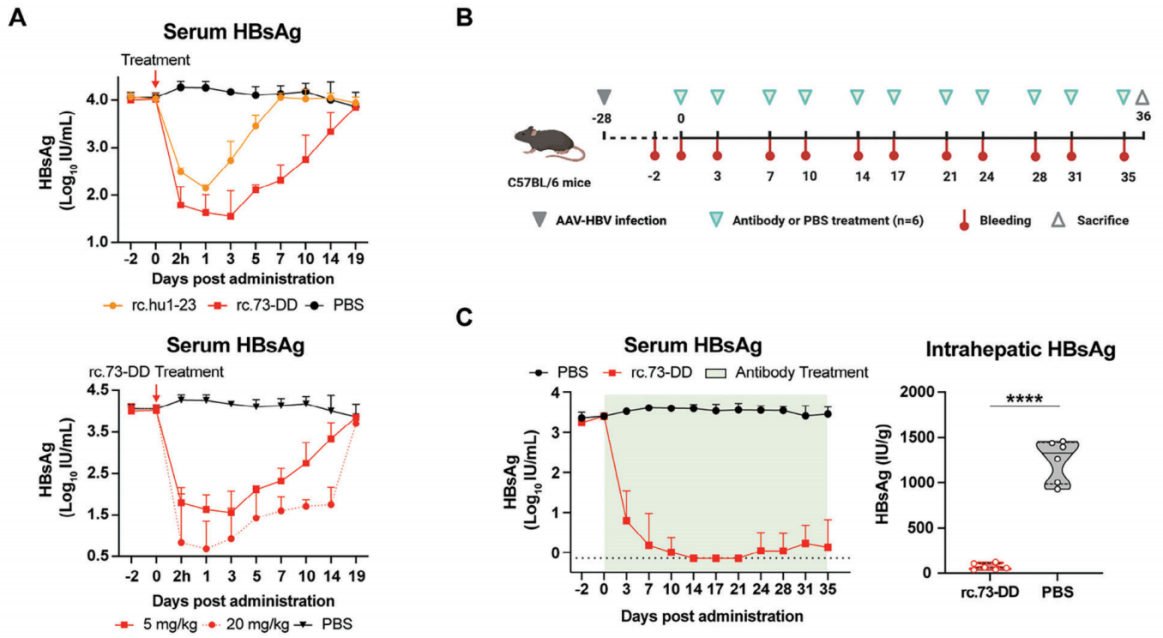
1. “A Dual-domain Engineered Antibody for Efficient HBV Suppression and Immune Responses Restoration” (Advanced Science, 2024) In this study, an AAV vector carrying the full-length HBV genome was constructed and administered via tail vein injection to establish a chronic hepatitis B mouse model. The results demonstrated that the newly developed dual-domain engineered antibody effectively suppressed HBV replication at one-tenth the dose of the original antibody, offering a promising new strategy for chronic hepatitis B treatment.
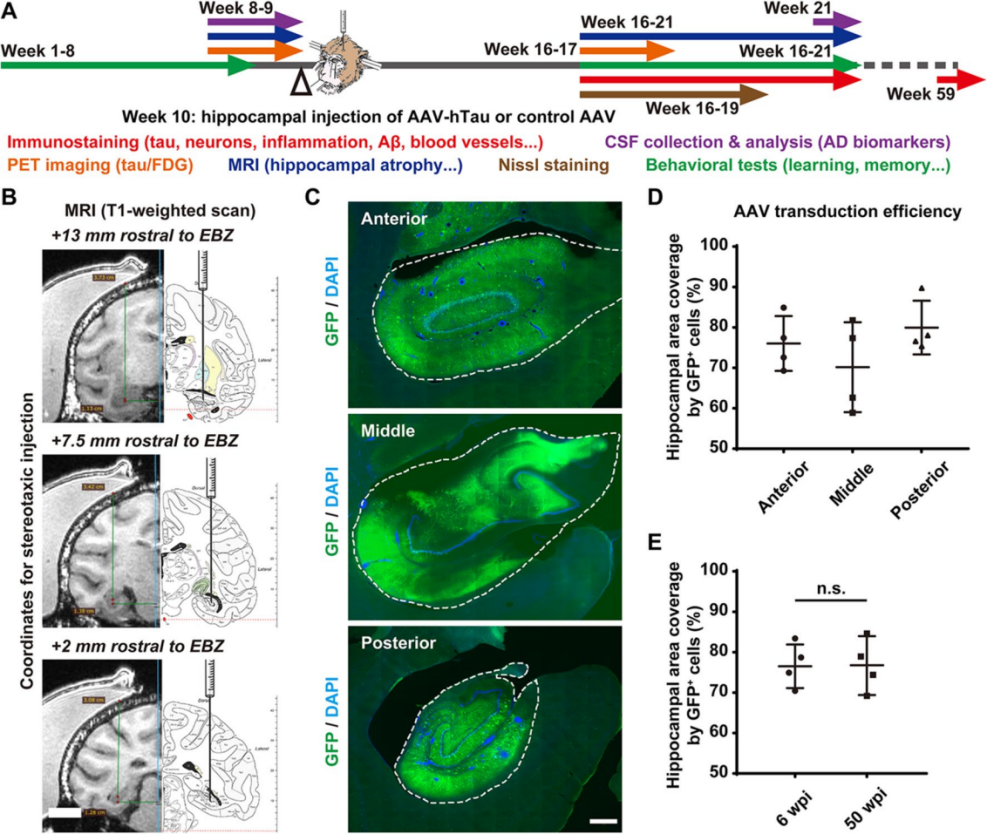
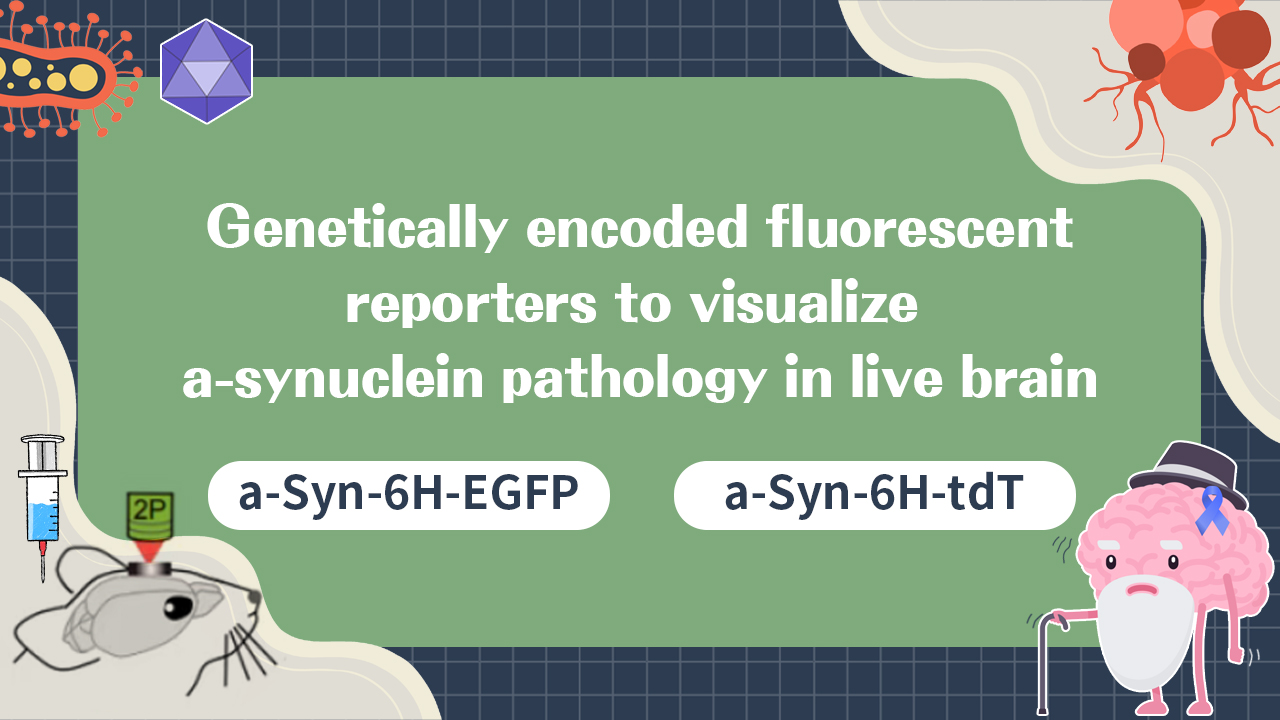
2. “A nonhuman primate model with Alzheimer’s disease-like pathology induced by hippocampal overexpression of human tau” (Alzheimer’s Research & Therapy, 2024) Using a single AAV injection, this study achieved overexpression of human tau protein in the hippocampus of non-human primates (NHPs), successfully generating an Alzheimer’s disease (AD)–like pathological model. This approach overcomes the pathological limitations of traditional AD models and provides a powerful new tool for mechanistic studies and drug development in Alzheimer’s disease.
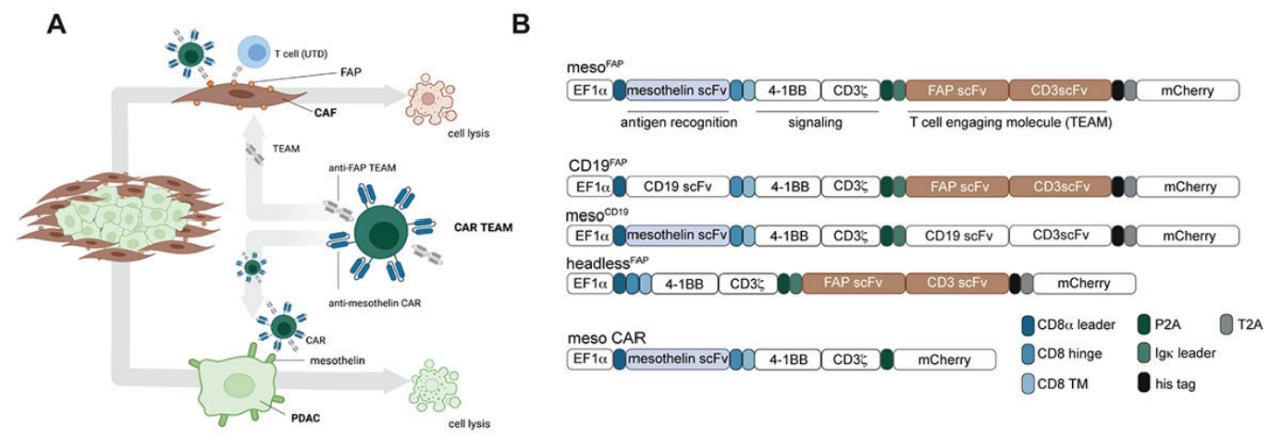
1. “Mesothelin CAR T-cells secreting anti-FAP/anti-CD3 molecules efficiently target pancreatic adenocarcinoma and its stroma” (Clinical Cancer Research, 2024) To address the challenge that pancreatic cancer and its tumor microenvironment are difficult to target with conventional CAR-T cells, this study constructed a bicistronic lentiviral vector. The vector encodes both an anti-mesothelin CAR and a secreted T-cell–engaging molecule that simultaneously targets fibroblast activation protein (FAP) on cancer-associated fibroblasts and CD3 on T cells. Experimental results showed that CAR-T cells engineered with this lentiviral system could specifically lyse mesothelin-expressing pancreatic cancer cells and remodel the tumor microenvironment by targeting stromal components, thereby significantly enhancing antitumor efficacy.
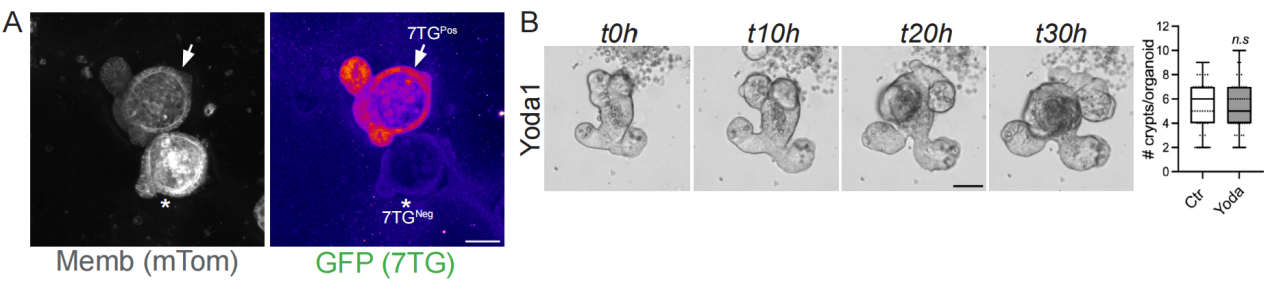
2. “PIEZO-dependent mechanosensing is essential for intestinal stem cell fate decision and maintenance” (Science, 2024) In this study, a WNT signaling reporter intestinal organoid line (7×-Tcf-eGFP) was generated via lentiviral transduction. By combining pharmacological inhibitors and agonists, the authors demonstrated that PIEZO channels regulate intestinal stem cell self-renewal and differentiation through modulation of the NOTCH and WNT signaling pathways. These findings clarify the critical role of mechanosensing in maintaining intestinal homeostasis and provide an important reference for signaling pathway regulation studies in organoid systems.
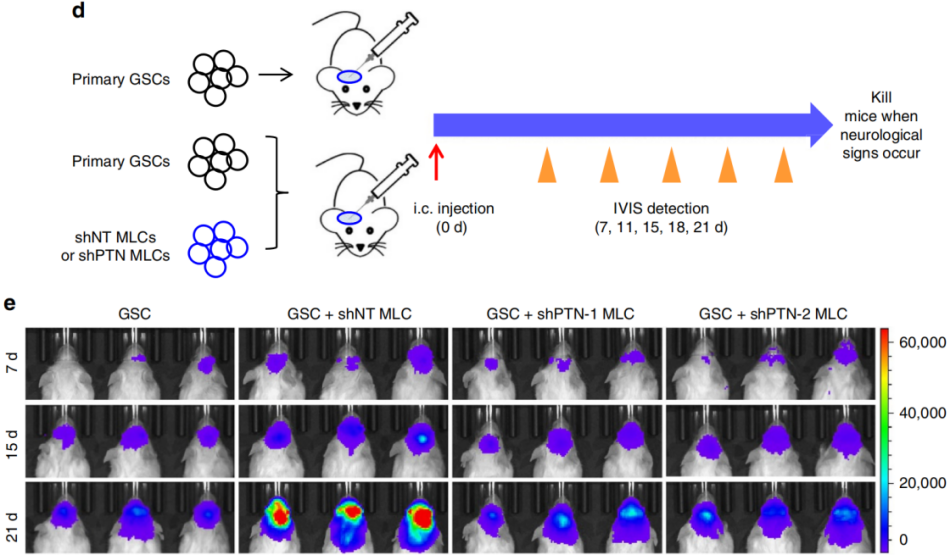
3. “Tumour-associated macrophages secrete pleiotrophin to promote PTPRZ1 signalling in glioblastoma stem cells for tumour growth” (Nature Communications, 2016) Using lentiviruses encoding short hairpin RNAs targeting PTN and PTPRZ1 (shPTN and shPTPRZ1), the researchers established M2-like macrophage cell lines with stable PTN knockdown and glioblastoma stem cells (GSCs) with stable PTPRZ1 knockdown. The study revealed that blocking the PTN–PTPRZ1 signaling axis effectively suppressed glioblastoma growth, identifying a novel therapeutic target for glioblastoma treatment.
Figure 5. Silencing PTPRZ1 in GSCs suppresses tumor proliferation and reduces tumor-associated macrophage infiltration Original article: https://www.nature.com/articles/ncomms15080
IV. Summary: How to Choose Without Pitfalls
✅ For long-term in vivo therapy, systemic delivery, or chronic disease modeling → choose AAV (prioritize serotypes that best match the target tissue). ✅ For stable cell line generation, CAR-T cell therapy, or gene-editing–based screening → choose lentivirus. ✅ Small transgene with a strong focus on safety → AAV; large transgene requiring permanent expression → lentivirus.
Brain Case Biotech offers a full range of custom vector design and viral packaging services(AAV, lentivirus, etc).Feel free to contact us for more information or consultation: bd@ebraincase.com
Service Type :
Select the service you'd like to purchase.
Order Information(Premade-AAVs)
Please provide us some information about the service you'd like to order.
Order Information(Custom AAV/Lentivirus)
Please provide us some information about the service you'd like to order.
Order Information(Others)
Please provide us some information about the service you'd like to order.