E-mail:BD@ebraincase.com
Tel:+8618971215294
English 中文版
Pioneering Innovation in Gene Vector Research - BrainCasePioneering Innovation in Gene Vector Research - BrainCase
  • Home
  • Pre-made AAV Library
    CRISPRRNAiHSV-helperRV-helperNeurotropic virusCalcium SensorsOptogenetics activationOptogenetics inhibitionChemical geneticsSparse labelingFluorescent proteinBiosensorsRecombinaseApoptosis & AutophagyDisease ModelNeurotoxicityOther
  • Products & Service

    Product Center

    Virus

    Vesicular Stomatitis Virus-VSV
    RCAS-TVA
    Lentivirus
    Rabies Virus-RABV
    Herpes simplex virus-HSV
    Pseudorabies virus-PRV
    Adeno-Associated Virus-AAV
    Neurotropic virus list
    Baculovirus

    Kits

    EndoFree Plasmid Maxi Kit
    Lentivirus Concentration Kit

    Plasmid Construction & Vector cloning

    Lentiviral Vector
    AAV Vector
    Plasmid
    Plasmid Library

    Popular Applications

    Gene Regulation

    Gene Overexpression-Brain Case
    RNA interference(RNAi)-siRNA-Brain Case
    Gene Editing - CRSIPR cloning - BrainCase

    Neural Circuit Function Research

    Optogenetics - BrainCase
    Chemical genetics-DREADDs-Brain Case
    Calcium signal recording-Gels- Brain Case
    GRAB Neurotransmitter Fluorescent Sensor- Brain Case
    Functional Magnetic Resonance Imaging Technology- Brain Case

    Research on the structure of neural circuits

    Direct Input and Output-viral vectors- Brain Case
    Anterograde Mono-synaptic Tracing -HSV- Brain Case
    Antrograde Muti-synaptic Tracing-HSV & VSV-Brain Case
    Retrograde Mono-synaptic Tracing-Rabies Virus-Brain Case
    Retrograde Muti-synaptic Tracing-PRV-Brain Case

    Featured Services

    AAV Serotype Screening

    AAV Serotypes screening-gene therapy

    Collaboration Products

    Kiryl Piatkevich lab
    Yulong Li lab
    Zhifei Fu lab
    Woo-ping Ge lab

    Oncolytic Virus Modification

    Oncolytic virus-for cancer therapy-Brain Case
    Herpes Virus Vector-anti-tumor- BrainCase
    Vesicular stomatitis virus-killing tumor cells-Brain Case
  • News
    Corporate News New Product Launch Test Report Investor News
  • Support
    Literature interpretation Customer article FAQs Blog Legal
  • About Us
    Pre-made AAV Library Products & Service News Support About Us Contact
  • Contact
    Contact Us Join us
  • 中文
    English 中文版
  • Home
  • Support
  • Customer article
  • Support
  • Literature interpretation
  • Customer article
  • FAQs
  • Blog
  • Legal

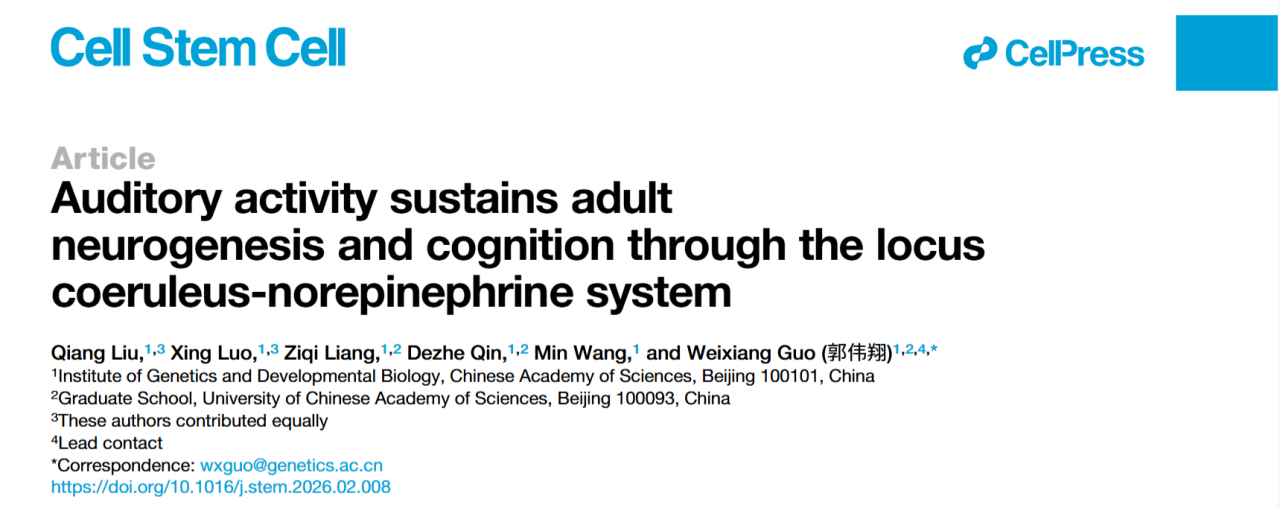
Client Article | Cell Stem Cell | Team of Weixiang Guo at the Chinese Academy of Sciences Uncovers Key Neural Mechanisms Linking Auditory Loss to Cognitive Decline

Release time:2026-04-22 15:38:19
Hearing loss is a common condition in the elderly and has been recognized as one of the most important modifiable risk factors for cognitive decline, though the causal relationship between the two remains unclear. Adult hippocampal neurogenesis is critical for cognitive function and is sensitive to environmental factors, but it is unknown whether hearing loss contributes to cognitive impairment by affecting hippocampal neurogenesis.

On March 19, 2026, the team of Weixiang Guo from the Institute of Genetics and Developmental Biology, Chinese Academy of Sciences, published their research in the journal Cell Stem Cell (IF=20.4), titled "Auditory activity sustains adult neurogenesis and cognition through the locus coeruleus-norepinephrine system." This study reveals for the first time that hearing loss impairs hippocampal neurogenesis by disrupting the neural pathway from the pontine nuclei to the locus coeruleus noradrenergic neurons (PnCᵛᴳˡᵘᵀ² → LCNEergic), leading to decreased norepinephrine levels in the hippocampal dentate gyrus (DG), and ultimately contributing to cognitive decline. This research provides direct evidence of the causal relationship between hearing loss and dementia.

https://doi.org/10.1016/j.stem.2026.02.008
 
1. Cochlear Outer Hair Cell Gene Knockout Leads to Cognitive Decline
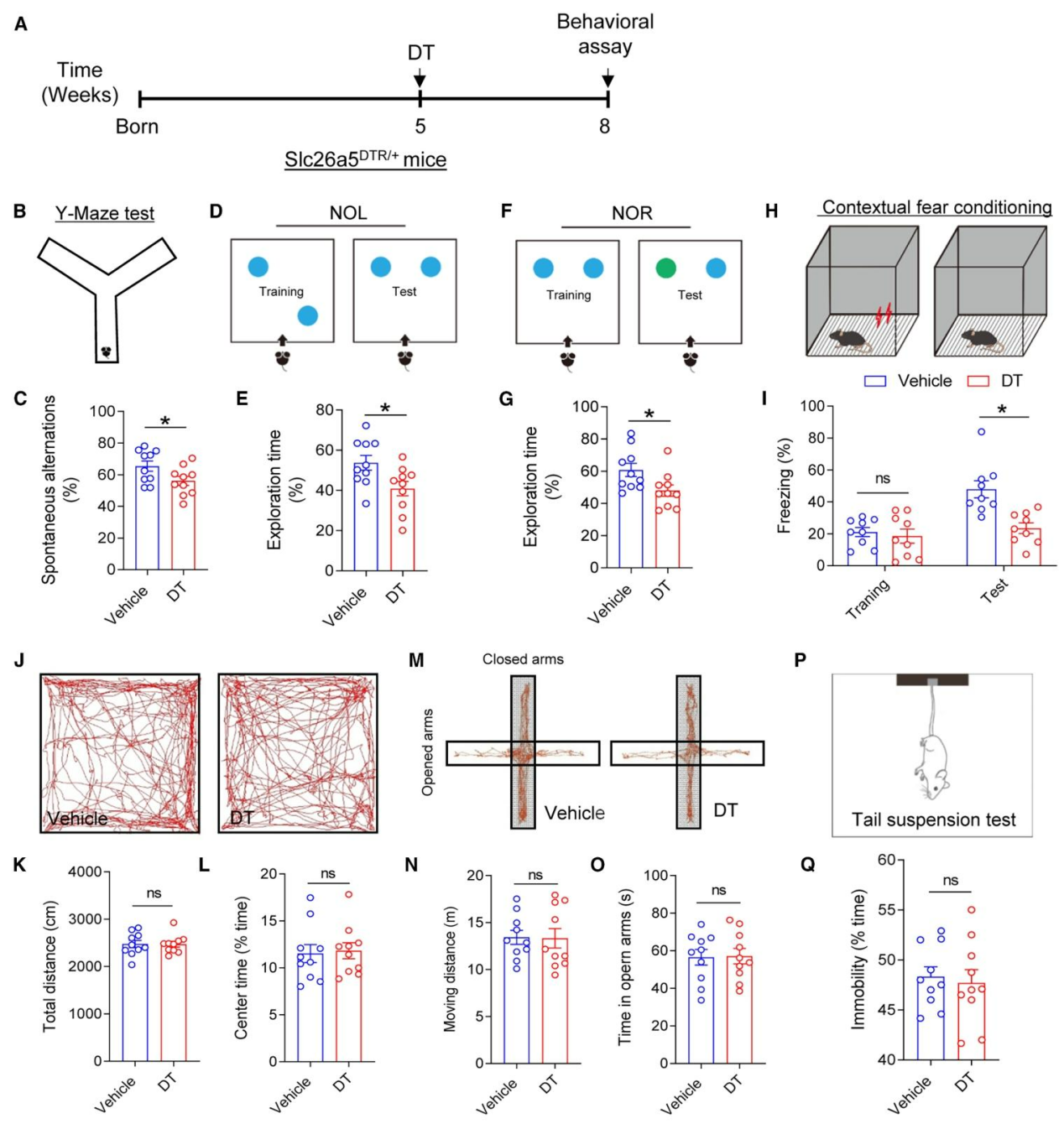
The study used Slc26a5DTR/+ mice and specifically ablated cochlear outer hair cells (OHCs) with diphtheria toxin (DT), successfully creating a model of severe hearing loss without stress or central inflammation. Immunohistochemistry for c-fos indicated that selective ablation of outer hair cells specifically impaired neuronal activity in the auditory circuitry. To investigate the causal relationship between hearing loss and cognitive decline, a series of behavioral tests were performed on the DT-treated Slc26a5DTR/+ mice (Figure 1A). The results showed that, compared to the control group, the DT-treated group displayed significant impairments in the Y-maze (Figures 1B, 1C), novel object location test (Figures 1D, 1E), novel object recognition test (Figures 1F, 1G), and contextual fear conditioning test (Figures 1H, 1I), indicating deficits in short-term memory, spatial memory, object recognition memory, and associative learning. However, no significant differences were observed between the two groups in the open field test (Figures 1J-L), elevated plus maze (Figures 1M-O), and tail suspension test (Figures 1P, 1Q). In summary, hearing loss specifically leads to cognitive dysfunction without affecting motor ability, anxiety-like behavior, or depression-like behavior.

Figure 1. Selective knockout of cochlear OHC genes causes cognitive dysfunction but does not affect motor ability or anxiety-like behavior.
 

2. Outer Hair Cell Gene Knockout Impairs Adult Hippocampal Neurogenesis

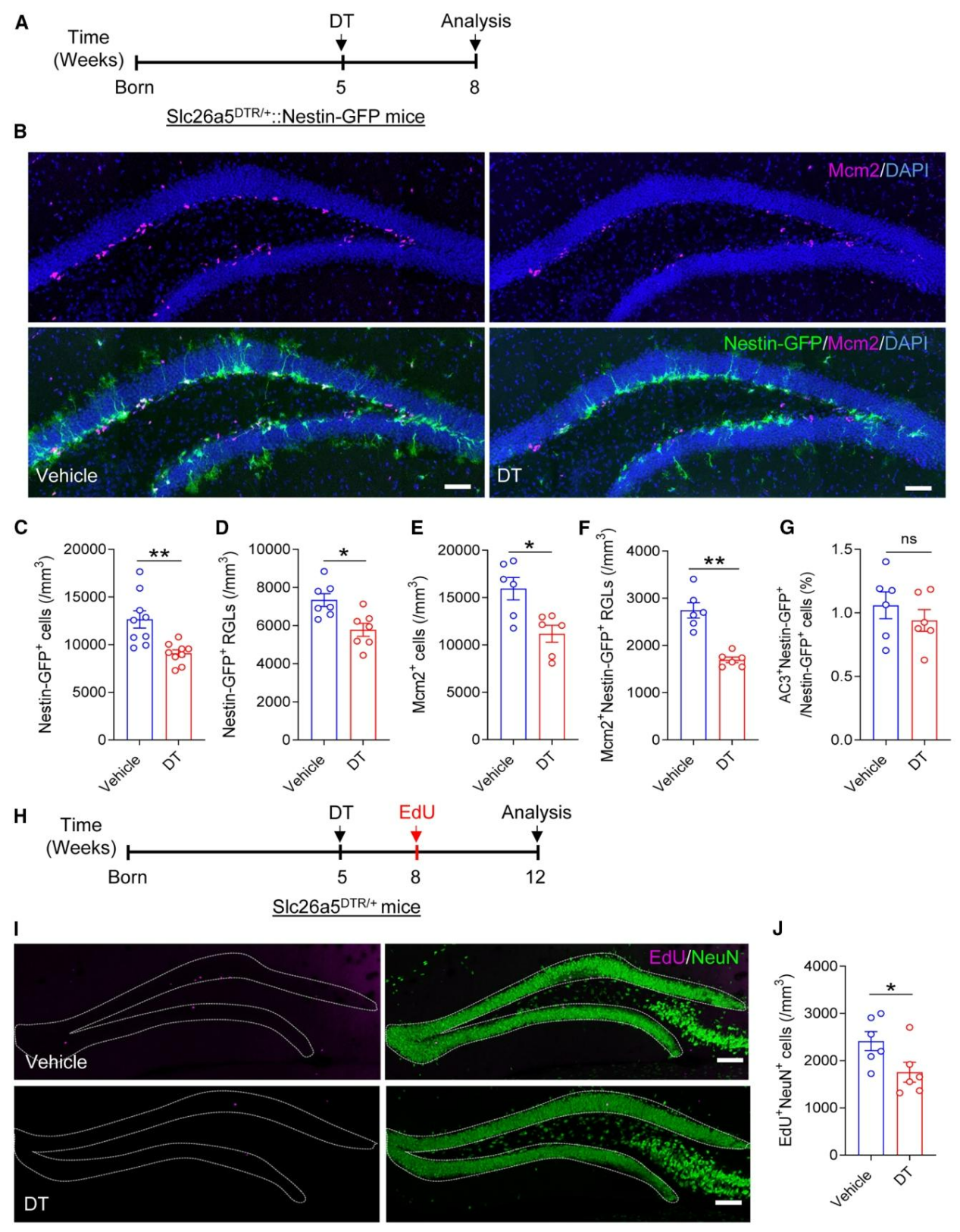
To explore the impact of hearing loss on adult hippocampal neurogenesis, researchers crossed Slc26a5DTR/+ mice with Nestin-GFP mice to obtain Slc26a5DTR/+::Nestin-GFP mice. The mice were injected with DT at 5 weeks of age, and three weeks later, it was found that the number of Nestin-GFP-positive cells and radial glia-like neural stem cells (RGLs) in the hippocampal dentate gyrus (DG) of the DT-treated group was significantly reduced (Figures 2A-D). The number of proliferating cells labeled with Mcm2 (proliferation marker) and Mcm2+Nestin-GFP+ double-positive proliferating neural stem cells was also significantly lower (Figures 2E, 2F). Caspase-3 analysis showed no significant change in apoptosis levels (Figure 2G). The number of newly generated neurons was assessed using EdU pulse labeling (Figure 2H), and the results showed that the DT-treated group had significantly fewer EdU+NeuN⁺ new neurons than the control group (Figures 2I, 2J). In summary, hearing loss reduces adult hippocampal neurogenesis by inhibiting neural stem cell proliferation.

Figure 2. Selective Knockout of Cochlear OHCs Impairs Adult Hippocampal Neurogenesis
 

3. LCNEergic Neurons Receive Auditory Input from PnCvGluT2 Neurons

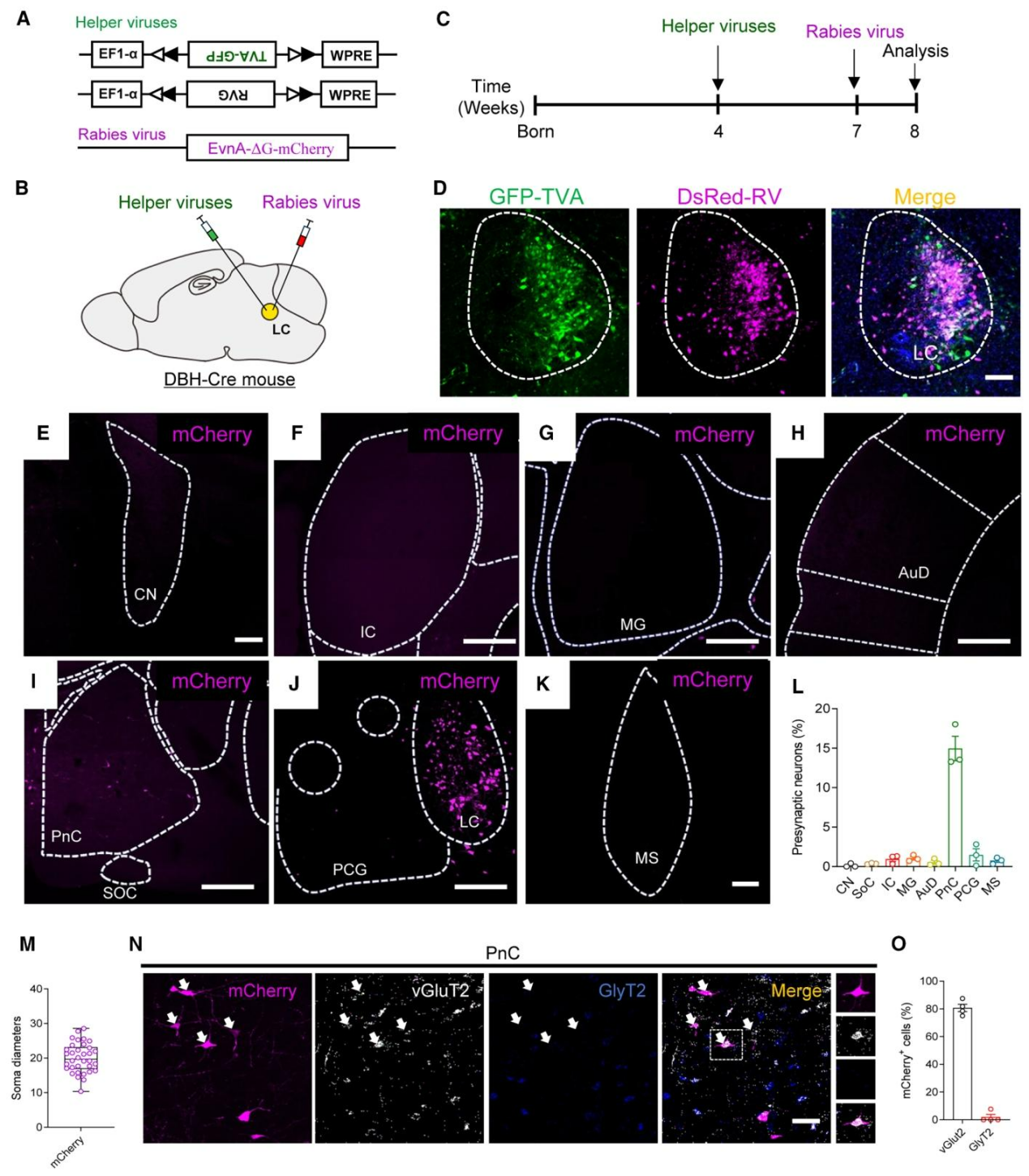
It is known that the projection from the locus coeruleus (LC) to the dentate gyrus (DG) originates from noradrenergic neurons. To identify the synaptic projections from the auditory circuit to LCNEergic neurons, the study used retrograde monosynaptic tracing techniques. AAV-DIO-TVA-GFP and AAV-DIO-RG were specifically used to label noradrenergic neurons in the LC region of DBH-Cre mice, and after three weeks, RV-mCherry was injected and analyzed one week later. The results showed that the viral injection sites were precisely localized to the LC (Figure 3D), and the afferent synapses to the LC mainly originated from the pontine nuclei (PnC) (Figures 3E–L). The cell bodies of RV-labeled PnC neurons were approximately 20μm in diameter and were not considered giant neurons (Figure 3M). In situ hybridization confirmed that these neurons primarily expressedvGluT2 rather than GlyT2 (Figures 3N, 3O). Combined with retrograde AAV tracing and anterograde monosynaptic HSV tracing techniques, the study showed that PnCvGluT2 neurons send excitatory projections to the LC, where the postsynaptic target cells are mainly noradrenergic neurons that are DBH-positive in the LC, rather than GABAergic neurons. In conclusion, LCNEergic neurons directly receive auditory input from PnCvGluT2 neurons.

Figure 3. Retrograde Monosynaptic Tracing of PnCvGluT2 to LCNEergic Neurons
 

4. PnCvGluT2→LCNEergic Pathway Directly Regulates Norepinephrine Release in the DG

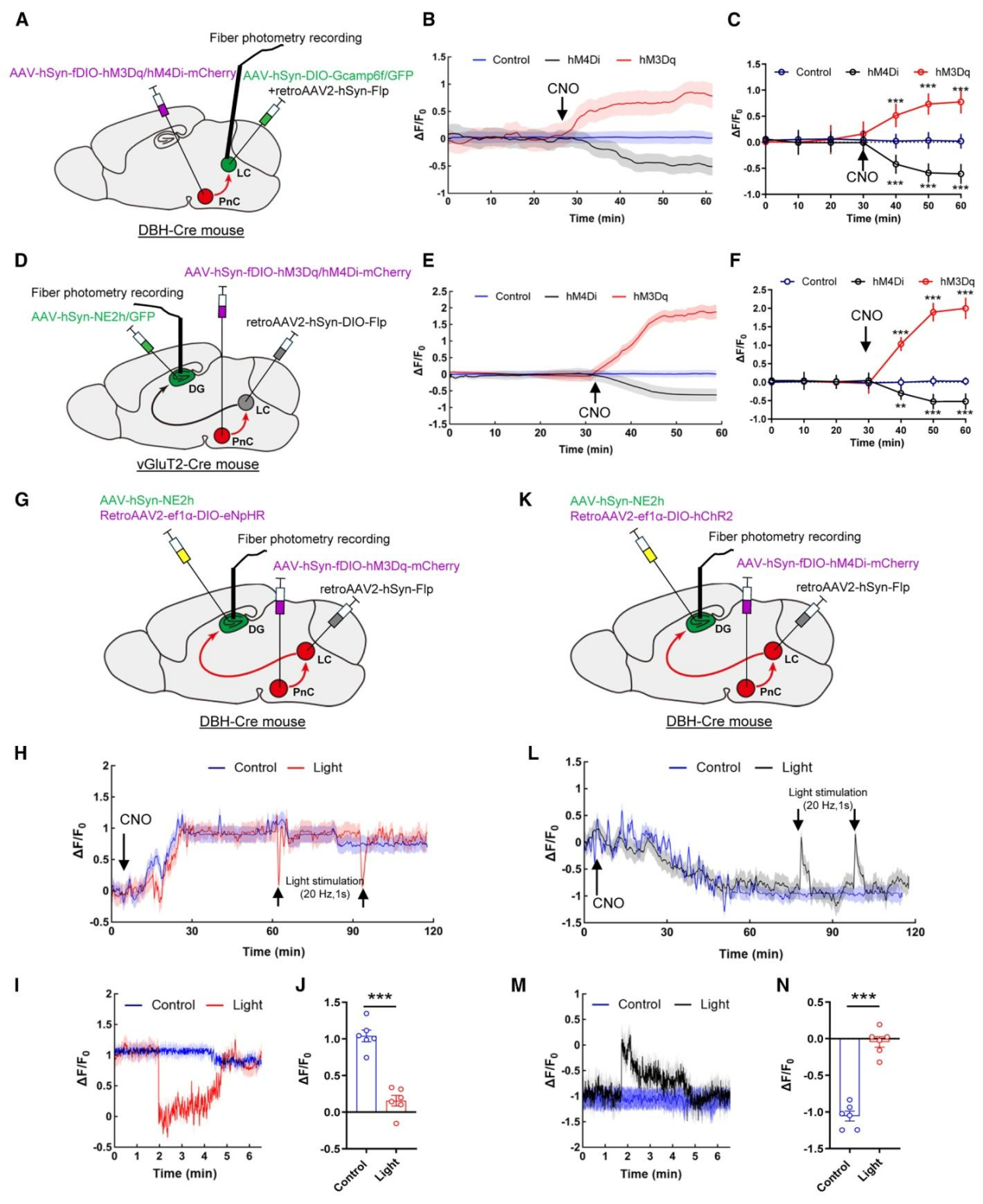
To clarify the functional connection between PnCvGluT2 neurons and LCNEergic neurons, the study used retrograde AAV combined with chemogenetics and optogenetic fiber photometry recording strategies. RetroAAV2-hSyn-Flp and Cre-dependent calcium indicator GCaMP6f were injected into the LC of DBH-Cre mice, and Flp-dependent chemogenetic viruses hM3Dq/hM4Di-mCherry were injected into the PnC (Figure 4A). The results showed that activation of PnCvGluT2 neurons significantly increased the GCaMP6f fluorescence signal in LCNEergic neurons, while inhibition of these neurons decreased their fluorescence intensity (Figures 4B, 4C). Further, in vGluT2-Cre mice, retroAAV2-EF1α-DIO-Flp was injected into the LC, while Flp-dependent chemogenetic viruses hM3Dq/hM4Di-mCherry were injected into the PnC. Norepinephrine probes AAV-hSyn-GRAB-NE2h were injected into the hippocampal DG (Figure 4D). The fiber photometry results showed that activating or inhibiting PnCvGluT2 neurons correspondingly increased or decreased norepinephrine signaling in the hippocampal DG, with no significant changes observed in the control group (Figures 4E, 4F). Further, in DBH-Cre mice, retrograde Cre-dependent optogenetic viruses (NpHR or hChR2) were injected into the DG, and retroAAV2-hSyn-Flp was injected into the LC, with Flp-dependent chemogenetic viruses injected into the PnC. Norepinephrine probes were also expressed in the DG to allow for multi-level manipulation and real-time monitoring of this pathway (Figures 4G, 4K). Optogenetic inhibition of this projection blocked CNO-induced increases in norepinephrine (Figures 4H-J), while optogenetic activation reversed the decreases (Figures 4L-N), demonstrating that the PnCvGluT2→LCNEergic pathway directly regulates norepinephrine release in the DG.

Figure 4. PnCvGluT2→LCNEergic Pathway Regulates Norepinephrine Release in the Hippocampal DG


5. Gene Knockout of OHCs Weakens the Auditory Input from PnCvGluT2 to LCNE Neurons

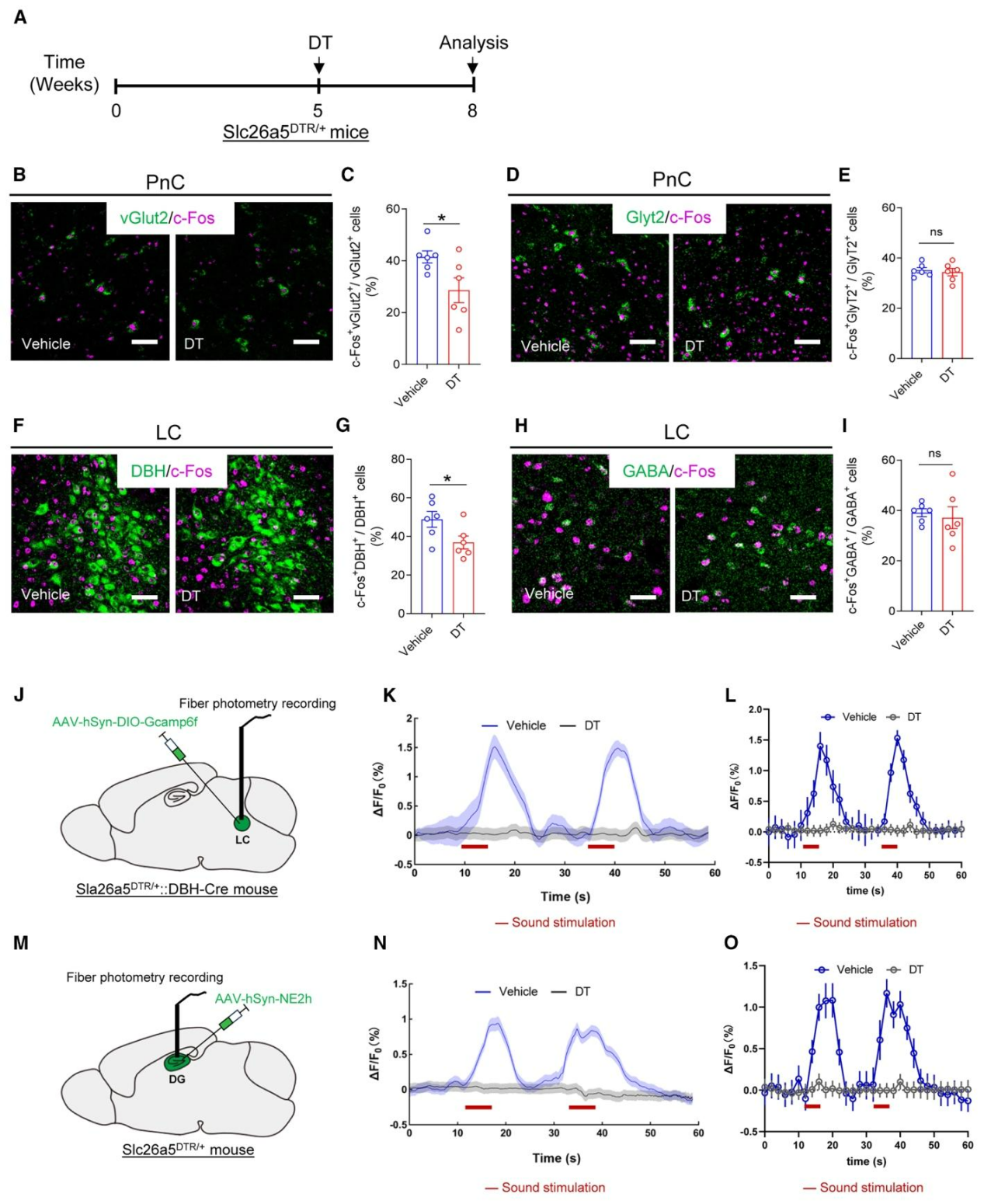
To assess the impact of hearing loss on neuronal activity, the study examined c-Fos expression in the brains of DT-induced Slc26a5ᴰᵀᴿ/⁺ mice following hearing loss. It was found that the activity of vGluT2⁺ positive neurons in the PnC was significantly reduced, while the activity of GlyT2⁺ positive neurons showed no significant changes (Figures 5A-E). At the same time, the activity of DBH⁺ noradrenergic neurons in the LC was significantly decreased, while the activity of GABA⁺ neurons showed no significant differences (Figures 5F-I). These results indicate that hearing loss simultaneously reduces the activity of PnCvGluT2 neurons and LCNE neurons. Further, AAV-EF1α-DIO-GCaMP6f was injected into the LC of Slc26a5ᴰᵀᴿ/⁺::DBH-Cre double-transgenic mice (Figure 5J). The results showed that LCNE neurons in untreated mice could be significantly activated by white noise stimulation, while LCNE neurons in hearing loss mice did not respond to sound stimuli (Figures 5K, 5L). Using GRABne2h probes to record norepinephrine levels in the hippocampal DG region, it was found that sound stimulation significantly enhanced norepinephrine signals in the DG of untreated mice, while no significant changes were observed in hearing loss mice. This suggests that hearing loss reduces the activity of PnCvGluT2 and LCNEergic neurons, and consequently reduces norepinephrine levels in the hippocampal dentate gyrus.

Figure 5. Selective Knockout of OHCs Weakens Auditory Input from PnCvGluT2 to LCNE Neurons


6. Activation of PnCvGluT2→LCNE Auditory Input Rescues Neurogenesis Deficits and Cognitive Impairments in DT-Treated Slc26a5ᴰᵀᴿ/⁺ Mice

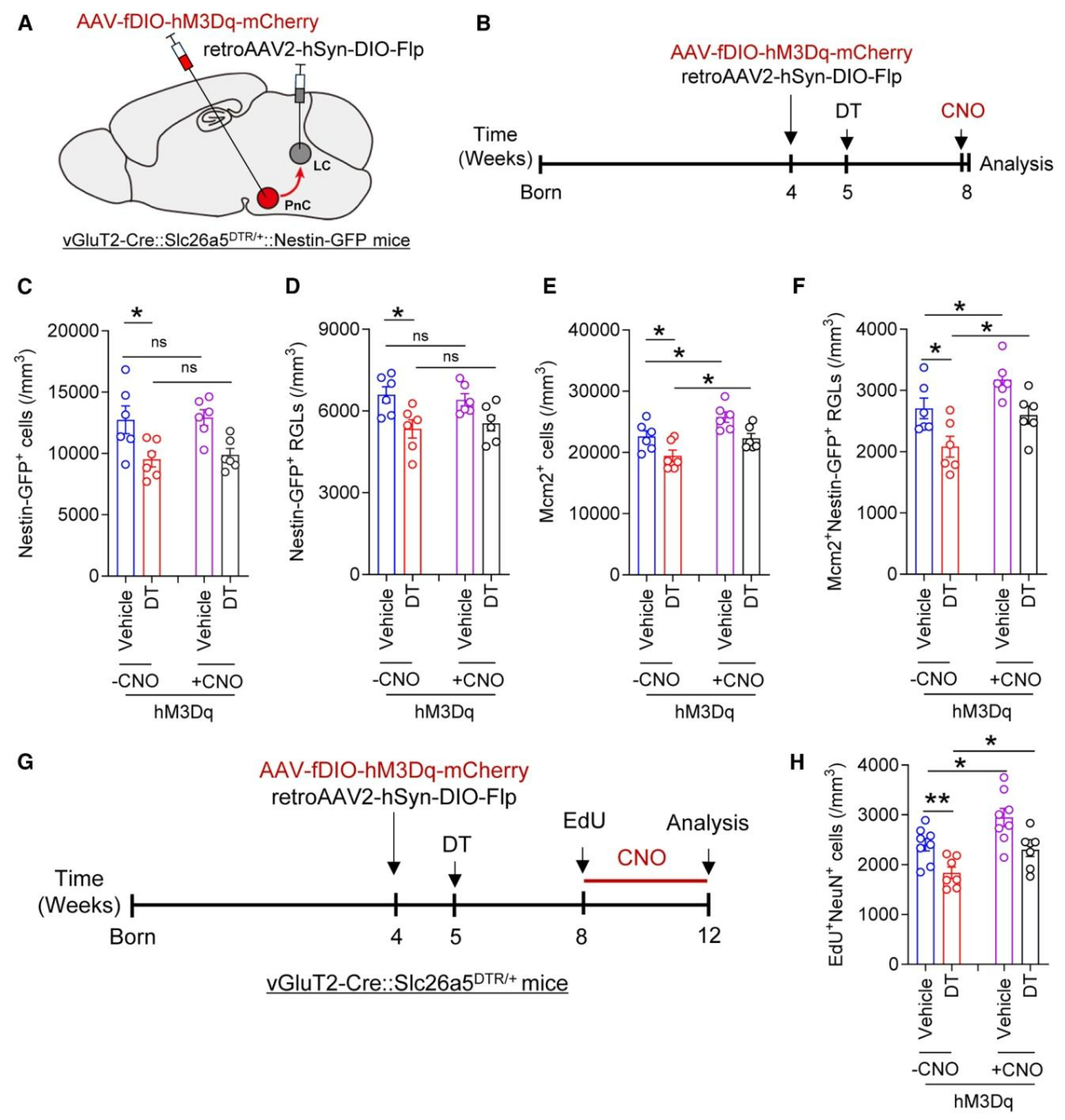
To explore whether activating the PnCvGluT2→LCNE neural input could rescue the adult hippocampal neurogenesis deficits caused by hearing loss, the study injected retroAVV2-EF1α-DIO-Flp into the LC of DT-induced vGluT2-Cre::Slc26a5ᴰᵀᴿ/⁺::Nestin-GFP mice, and AAV-fDIO-hM3Dq-mCherry into the PnC to specifically activate the PnCvGluT2→LCNE input (Figures 6A, 6B). After CNO treatment, the number of Nestin-GFP⁺ cells and Nestin-GFP⁺ radial glia-like stem cells (RGLs) did not change significantly (Figures 6C, 6D), but the number of Mcm2⁺ proliferating cells and double-positive proliferating RGLs significantly increased (Figures 6E, 6F), suggesting that activation of this pathway can reverse the inhibition of neural stem cell proliferation caused by hearing loss. The EdU pulse labeling experiment showed that CNO treatment significantly increased the number of EdU⁺NeuN⁺ adult-born neurons in the vGluT2-Cre::Slc26a5ᴰᵀᴿ/⁺ mice treated with DT (Figures 6G, 6H). Since neural stem cells can differentiate into intermediate progenitor cells and further into new neurons, it is hypothesized that long-term CNO treatment would lead to an increase in both neural stem cells and progenitor cells. In conclusion, activating the PnCvGluT2→LCNE neural input can rescue the adult hippocampal neurogenesis deficits caused by hearing loss.

Figure 6. Activation of PnCvGluT2→LCNE Neural Input Rescues Adult Hippocampal Neurogenesis Deficits in Hearing Loss Mice

 
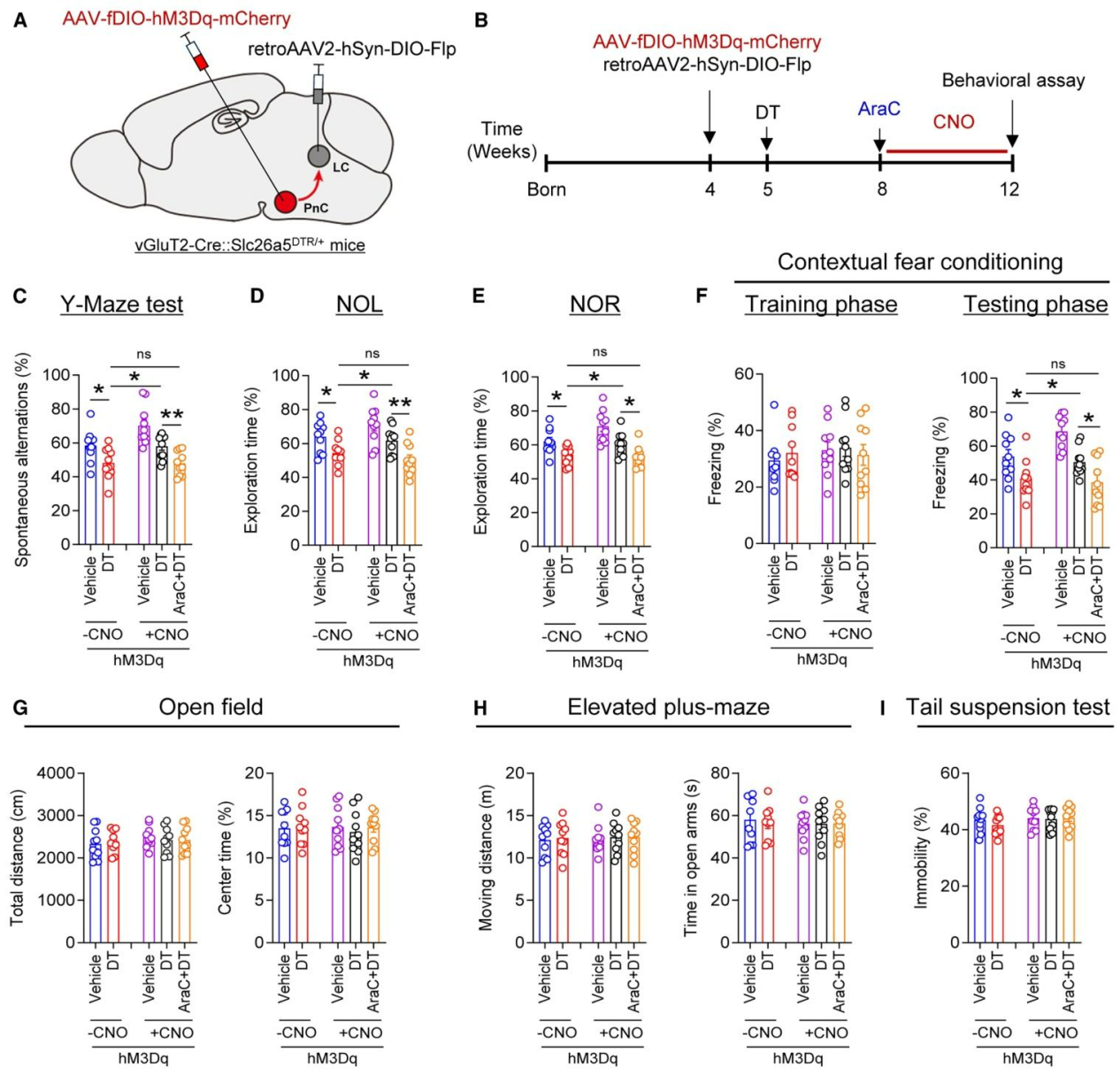
To explore whether activation of the PnCvGluT2→LCNE neural input could improve the cognitive deficits caused by hearing loss, the study injected retroAAV2-EF1α-DIO-Flp into the LC of DT-treated vGluT2-Cre::Slc26a5ᴰᵀᴿ/⁺ mice and AAV-fDIO-hM3Dq-mCherry into the PnC. After 4 weeks of CNO treatment, behavioral tests were conducted (Figures 7A, 7B). The results showed that activation of the PnCvGluT2→LCNE neural input significantly improved the cognitive functions of the mice, as evidenced by increased spontaneous alternation in the Y-maze, improved preference for novel object location and recognition, and increased freezing behavior in the contextual fear conditioning test (Figures 7C-7F). However, hippocampal injection of the neurogenesis inhibitor AraC (a known mitotic inhibitor) completely blocked the above cognitive improvements (Figures 7C-7F). No significant changes were observed in the open field, elevated plus maze, or tail suspension tests (Figures 7G-7I), ruling out the involvement of motor dysfunction and anxiety-like behavior in this process. This confirms that activation of PnCvGluT2→LCNE neural input improves cognitive deficits by restoring adult hippocampal neurogenesis in hearing loss mice.

Figure 7. Activation of PnCvGluT2→LCNE Neural Input Improves Cognitive Deficits in Hearing Loss Mice


Conclusion

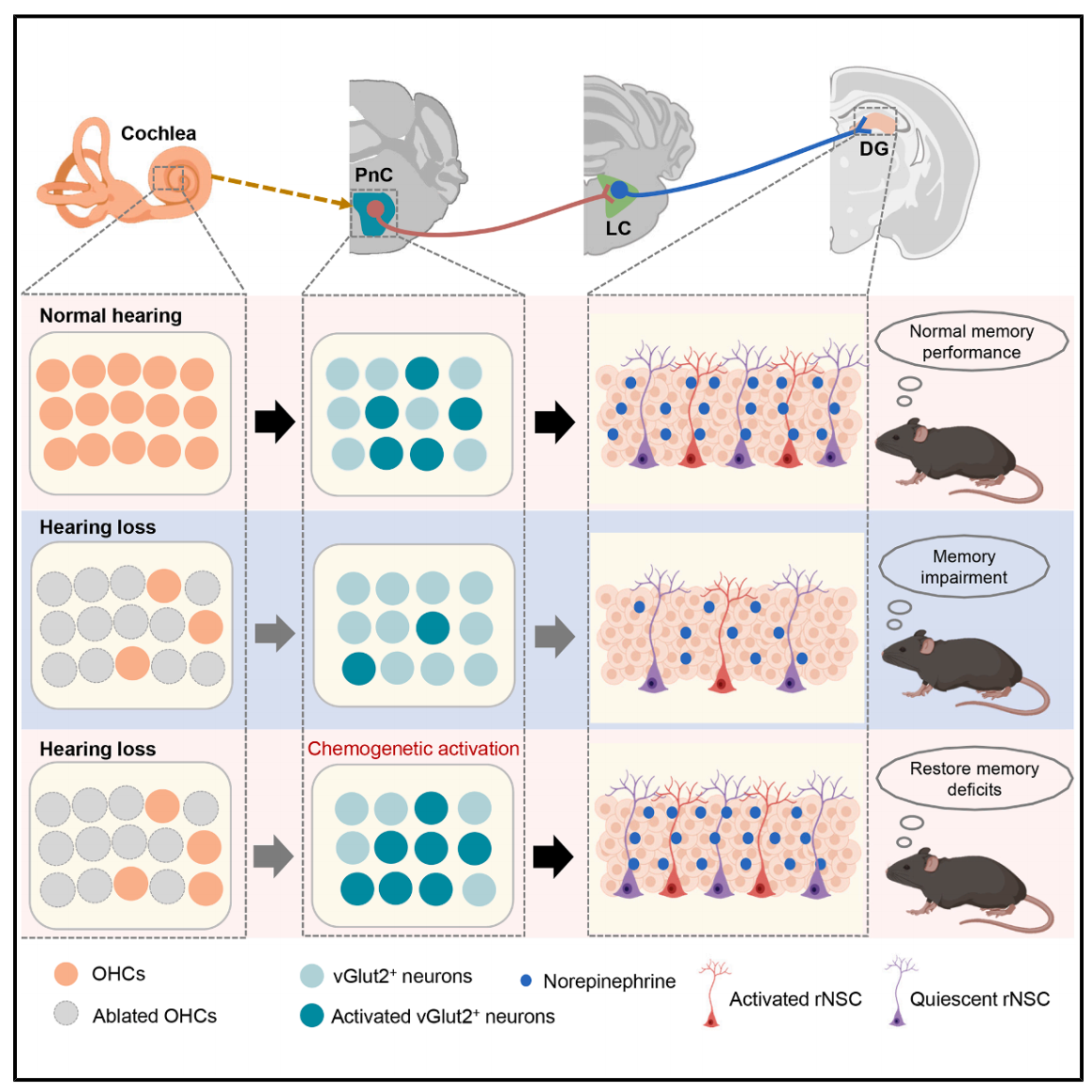
This study is the first to clarify the causal relationship between hearing loss and cognitive decline at the neural circuit level. By selectively knocking out cochlear outer hair cells to construct a hearing loss mouse model, it was found that both cognitive function and adult hippocampal neurogenesis were significantly impaired. Mechanistically, hearing loss weakened the PnCvGluT2→LCNE neural input, leading to a reduction in hippocampal norepinephrine levels. Activating this pathway was able to rescue these deficits, and this improvement was dependent on the hippocampal neurogenesis process. This discovery reveals the key neural mechanisms through which hearing loss leads to cognitive impairment, providing new targets for related interventions.

Figure 8. Summary Diagram


The tools used in this study are available from Brain Case:
Product Category Product Number Product Name
Fluorescent Protein BC-0025 rAAV-hSyn-DIO-mCherry
BC-0023 rAAV-hSyn-mCherry
BC-0020 rAAV-hSyn-EGFP
BC-0244 rAAV-hSyn-DIO-GFP
Recombinase BC-0172 rAAV-hSyn-SV40 NLS-Flp
BC-0178 rAAV-EF1α-DIO-Flp
BC-0159 rAAV-hSyn-SV40 NLS-Cre
Chemogenetics BC-5388 rAAV-hSyn-FDIO-hM4D(Gi)-P2A-mCherry
BC-4927 rAAV-hSyn-FDIO-hM3D(Gq)-P2A-mCherry
Optogenetics BC-0101 rAAV-CaMKIIα-hChR2(H134R)-mCherry
BC-4623 rAAV-hSyn-DIO-eNpHR3.0-P2A-mCherry
Calcium Imaging BC-0088 rAAV-EF1α-DIO-GCaMP6f
Fluorescent Probe BC-0268 rAAV-hSyn-NE2h
Retrograde Monosynaptic BC-0041 rAAV-EF1α-DIO-EGFP-T2A-TVA
BC-0442 rAAV-EF1α-DIO-N2cG
BC-RV-EnvA844 RV-EnvA-ΔG-mCherry
Anterograde Monosynaptic BC-0045 rAAV-EF1α-DIO-EGFP-T2A-TK(HSV)
BC-HSVΔTK-tdT H129ΔTK-hUbC-tdTomato
 
Additionally, Brain Case offers a range of custom services.
For more information, please contact
bd@ebraincase.com

Service Type :

Select the service you'd like to purchase.

Order Information(Premade-AAVs)

Please provide us some information about the service you'd like to order.

How did you hear about BrainCase Biotech or our products?(Fill in this field to get a discount coupon)

Detailed requirements:

scroll

Order Information(Custom AAV/Lentivirus)

Please provide us some information about the service you'd like to order.

Gene ID or gene information:

Selection of the reporting gene:

Special Instructions:

scroll

Order Information(Others)

Please provide us some information about the service you'd like to order.

Virus name/Detailed requirements:

scroll

Related products

Client Article | Cell Stem Cell | Team of Weixiang Guo at the Chinese Academy of Sciences Uncovers Key Neural Mechanisms Linking Auditory Loss to Cognitive Decline

Client Article | Cell Stem Cell | Team of Weixiang Guo at the Chinese Academy of Sciences Uncovers Key Neural Mechanisms Linking Auditory Loss to Cognitive Decline

400+ Customer Publications Collection.

400+ Customer Publications Collection.

Client Article | Neuron | Reveals the Molecular Mechanism of Astrocytic H3R Regulation of Anxiety Behavior via GABA Signaling

Client Article | Neuron | Reveals the Molecular Mechanism of Astrocytic H3R Regulation of Anxiety Behavior via GABA Signaling

Client Article | The Innovation | Team of Xiaojing Ye, Weijie Lin, and Yanni Zeng from Sun Yat-sen University Reveals New Mechanism of Depression and Anxiety: mPFC→BNST Circuit Regulates Memory Generalization and Stress Behavior

Client Article | The Innovation | Team of Xiaojing Ye, Weijie Lin, and Yanni Zeng from Sun Yat-sen University Reveals New Mechanism of Depression and Anxiety: mPFC→BNST Circuit Regulates Memory Generalization and Stress Behavior

map
{dede:global.cfg_webname/}

Pre-made AAV Library

CRISPR
RNAi
Neurotropic virus
Optogenetics activation
Biosensors

News

Corporate News
New Product Launch
Test Report
Investor News

Support

Literature interpretation
Customer article
FAQs
Blog
Legal
微信

WhatsApp Business Account

Tel: +8618971215294
E-mail: BD@ebraincase.com

Address:-

Address:-

  • Copyright © 2024 Brain Case All Rights Reserved.