E-mail:BD@ebraincase.com
Tel:+8618971215294
English 中文版
Virus Vector - Viral Vector Production - BrainCaseVirus Vector - Viral Vector Production - BrainCase
  • Home
  • Virus product library
    CRISPRRNAiHSV-helperRV-helperNeurophilic virusCalcium SensorsOptogenetics activationOptogenetics inhibitionChemical geneticsSparse labelingFluorescent proteinBiosensorsRecombinaseApoptosis & AutophagyDisease ModelNeurotoxicityOther
  • Products & Service

    Product Center

    Virus

    VSV-vaccine and gene therapy research
    Retrovirus-RCAS-TVA
    Lentivirus Vector-Lentivirus Production
    Rabies Virus Vector-RBV Vector
    Herpes simplex virus-Oncolytic and anterograde tracing
    PRV-retrograd multisynaptic-Peripheral
    AAV-gene therapy vectors-neuroscience

    Animal Model

    Neurological Disease Models
    Tumor animal models-anti-tumor
    Digestive System Disease Animal Model
    Cardiovascular System Disease Animal Models

    Plasmid Construction

    Library Construction
    Plasmid design and construction

    Popular Applications

    Gene Regulation

    Gene Overexpression-Brain Case
    RNA interference(RNAi)-siRNA-Brain Case
    Gene Editing - CRSIPR cloning - BrainCase

    Neural Circuit Function Research

    Optogenetics - BrainCase
    Chemical genetics-DREADDs-Brain Case
    Calcium signal recording-Gels- Brain Case
    GRAB Neurotransmitter Fluorescent Sensor- Brain Case
    Functional Magnetic Resonance Imaging Technology- Brain Case

    Research on the structure of neural circuits

    Direct Input and Output-viral vectors- Brain Case
    Anterograde Mono-synaptic Tracing -HSV- Brain Case
    Antrograde Muti-synaptic Tracing-HSV & VSV-Brain Case
    Retrograde Mono-synaptic Tracing-Rabies Virus-Brain Case
    Retrograde Muti-synaptic Tracing-PRV-Brain Case

    Featured Services

    Nervous System Disease Drug Effect

    Alzheimer's disease-AD
    Depression-mental disorders
    Parkinson's disease--PD
    Epilepsy-an ancient neurological disorder

    AAV Serotype Screening

    AAV Serotypes screening-gene therapy

    Collaboration Products

    Kiryl Piatkevich lab
    Yulong Li lab
    Zhifei Fu lab
    Woo-ping Ge lab

    Efficacy of Oncolytic Virus

    Oncolytic virus-for cancer therapy-Brain Case
    Herpes Virus Vector-anti-tumor- BrainCase
    Vesicular stomatitis virus-killing tumor cells-Brain Case
  • News
    Corporate News New Product Launch Team Investor News
  • Support
    Literature interpretation Customer article Video Zone FAQs
  • About Us
    Virus product library Products & Service News Support About Us Contact
  • Contact
    Contact Us Join us
  • 中文
    English 中文版
  • Home
  • Support
  • Customer article
  • Support
  • Literature interpretation
  • Customer article
  • Video Zone
  • FAQs

Client Article | Neuron | Xinan Liu/ Zuxin Chen Team from Shenzhen Institute of Advanced Technology Reveals "Gut-Brain" Pathway Mediating the Antiepileptic Effects of Probiotics

Release time:2026-03-03 08:58:26
Pediatric epilepsy is a common neurological disorder, with 10%-30% of cases progressing to drug-resistant epilepsy, and existing treatment options have limitations. Gut microbiota imbalance has been associated with epilepsy, but the efficacy and mechanisms of probiotic treatment remain unclear.

On January 16, 2026, Associate Researcher Xinan Liu and Associate Researcher Zuxin Chen, both from the Institute of Brain Cognition and Brain Diseases at the Shenzhen Institute of Advanced Technology/ Shenzhen-Hong Kong Institute of Brain Science, along with Director Dezhi Cao from Shenzhen Children's Hospital, published a research paper titled "Gut-Brain Cholinergic Signaling Mediates the Antiseizure Effects of Bacteroides fragilis" in the prestigious neuroscience journal Neuron. The study reveals that Bacteroides fragilis (strain BF839) exerts antiepileptic effects through the gut-vagus nerve-brain cholinergic signaling pathway. It activates acetylcholine transferase-positive (ChAT+) cells in the colon, enhances acetylcholine-mediated vagal nerve transmission, and is associated with the colonization and enrichment of intestinal Lactobacillus. Clinical studies show the effectiveness of BF839 in treating drug-resistant epilepsy in children.


The Abundance of Bacteroides fragilis Decreases in the Feces of Pediatric Epilepsy Patients

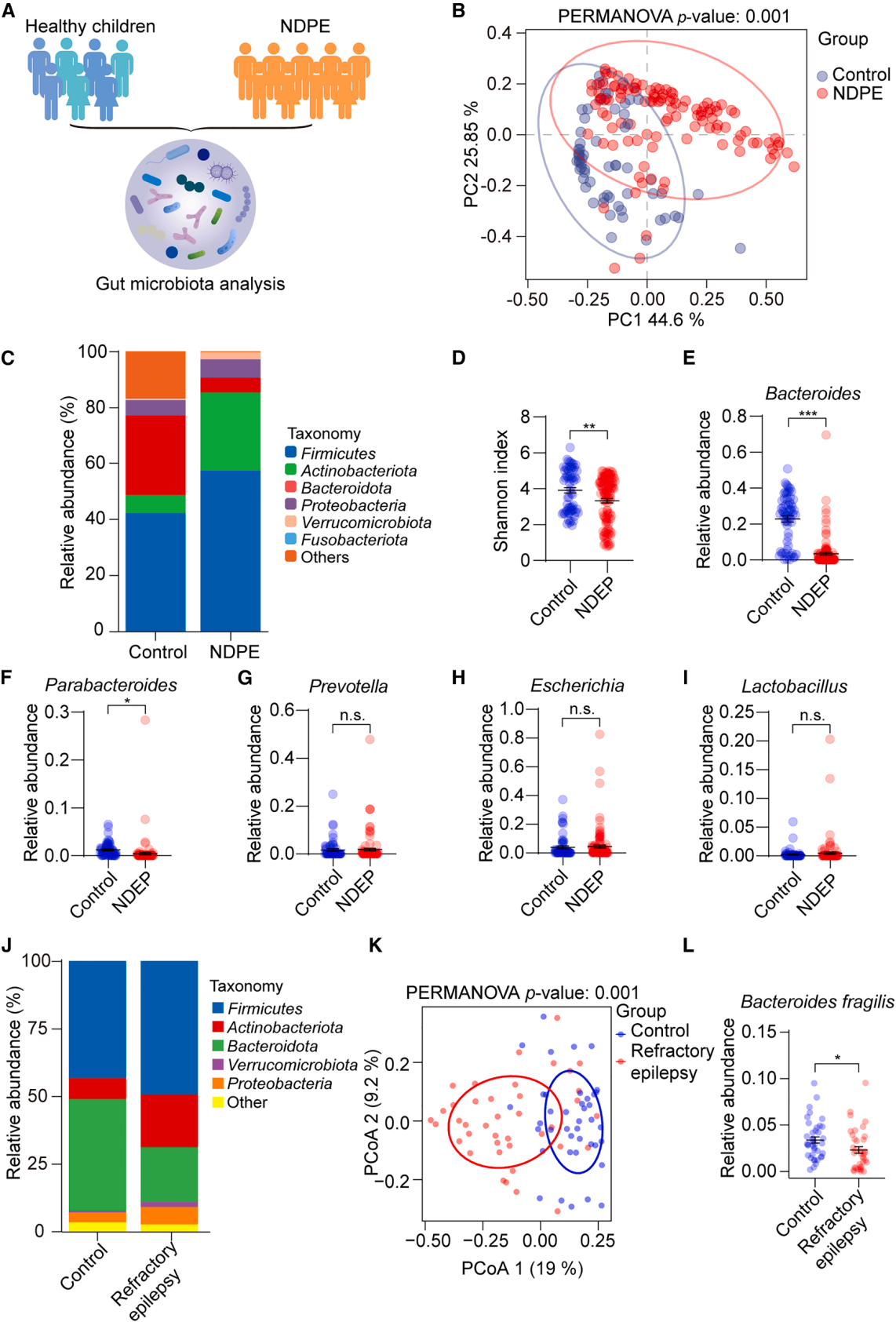
Previous studies have shown that epilepsy patients exhibit abnormal gut microbiota, suggesting that targeting the microbiota may provide a new direction for epilepsy treatment. To clarify the changes in the microbiota of children with epilepsy, fecal samples from 114 newly diagnosed pediatric epilepsy (NDPE) patients and 63 healthy controls were subjected to 16S rRNA gene sequencing (a core technique for microbial community analysis, which identifies, analyzes abundance, and assesses diversity of microbiota by sequencing the highly conserved 16S rRNA gene in bacteria) (Figure 1A). The results revealed significant differences in the microbiota composition between the two groups (Figures 1B, 1C), with the NDPE group showing lower α-diversity than the control group (Figure 1D). The abundance of Bacteroides in the NDPE group was significantly reduced (Figure 1E), while no significant differences were found in the abundances of Escherichia coli, Prevotella, and Lactobacillus between the two groups. The control group exhibited higher levels of Bacteroides (Figures 1F-1I). To validate the sequencing results and analyze the microbiota characteristics in drug-resistant epilepsy children, metagenomic sequencing was performed on fecal samples from 39 healthy controls and 37 drug-resistant epilepsy children (a technique that directly sequences all the DNA from the microbial community in environmental samples without the need to isolate individual microbes). The results were consistent with the 16S rRNA sequencing, with significant differences in the microbiota composition between the two groups (Figures 1J, 1K). The epilepsy group showed a further reduction in the abundance of Bacteroides fragilis (Figure 1L), while no significant differences were observed in other Bacteroides or Lactobacillus species. These results suggest that gut microbiota abnormalities, particularly the reduction of Bacteroides fragilis, are associated with pediatric epilepsy, providing a basis for further research on the gut-brain axis mechanism and microbiota-targeted interventions for pediatric epilepsy.

Figure 1: Changes in the Fecal Microbiota Composition of Pediatric Epilepsy Patients, Including Newly Diagnosed and Drug-Resistant Cases
 

Antiepileptic Effects of Bacteroides fragilis in Mice

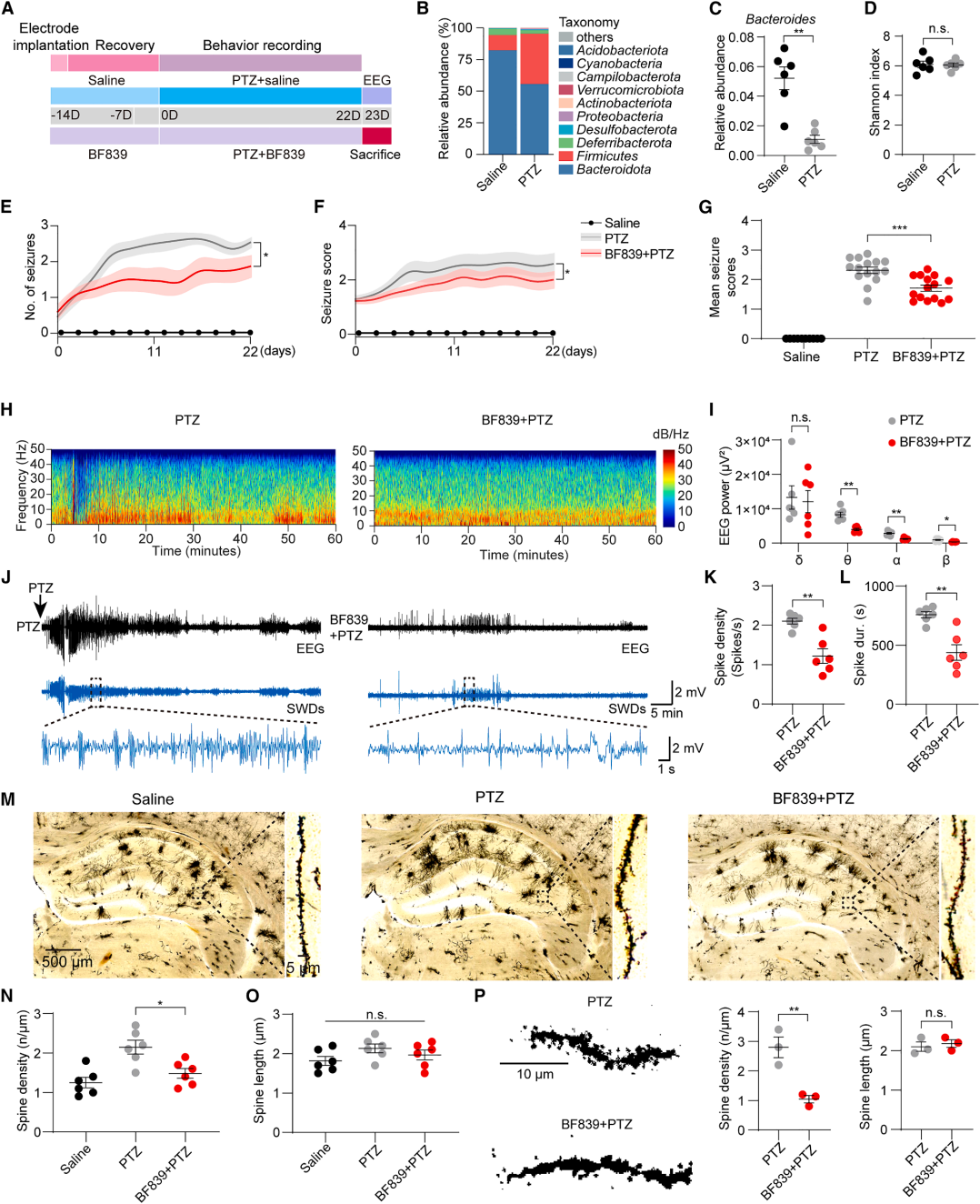
A reduced abundance of Bacteroides may promote epileptic seizures, and supplementation of this genus may intervene in disease progression. To verify its antiepileptic effects, probiotics containing Bacteroides fragilis (BF839) were administered to pentyl tetrazole (PTZ)-induced epileptic mice. Four-week-old male C57BL/6 mice were gavaged with BF839 for 7 days and then subjected to PTZ-induced seizures (Figure 2A). Microbiota analysis revealed that both groups had Bacteroidetes and Firmicutes as the dominant bacterial phyla (Figure 2B), with the PTZ group showing significantly lower abundance of Bacteroides compared to the saline group (Figure 2C). However, there was no difference in the Shannon index (a core indicator of microbial community α-diversity) between the two groups (Figure 2D). The BF839 group showed a decreased seizure frequency starting on Day 3 after PTZ injection (Figure 2E), and the seizure severity stabilized from Day 4 (Figure 2F), with the average seizure score significantly lower than the PTZ group (Figure 2G). The PTZ-induced model mimics refractory temporal lobe epilepsy with hippocampal discharge abnormalities, and EEG (electroencephalography) was used to assess the effect of BF839 on hippocampal hyperexcitability (Figures 2H, 2I). BF839 significantly reduced the power spectral density of theta, alpha, and beta waves, with no significant effect on delta waves. Spike-wave discharges (SWDs) are key electrophysiological markers of epilepsy (Figure 2J). The BF839 group exhibited significantly reduced density (Figure 2K) and duration (Figure 2L) of SWDs, with weaker discharge intensity during seizures. Hippocampal neurons showed excessive excitability and dendritic spine abnormalities. Golgi staining revealed that BF839 significantly reduced dendritic spine density, but did not affect spine length (Figures 2M-2O). Sparse labeling with recombinant adeno-associated virus (rAAV-NCSP-YFP-2E5) further confirmed that BF839 reduced dendritic spine density without affecting spine length (Figure 2P). These findings suggest that BF839 can regulate hippocampal dendritic spine remodeling, and its antiepileptic effect may be mediated through the gut-brain axis.

Figure 2: BF839 Alleviates PTZ-Induced Seizures and Regulates Synaptic Activity in Hippocampal Neurons


Vagus Nerve Gut-Brain Neural Signaling Mediates the Antiepileptic Effect of BF839

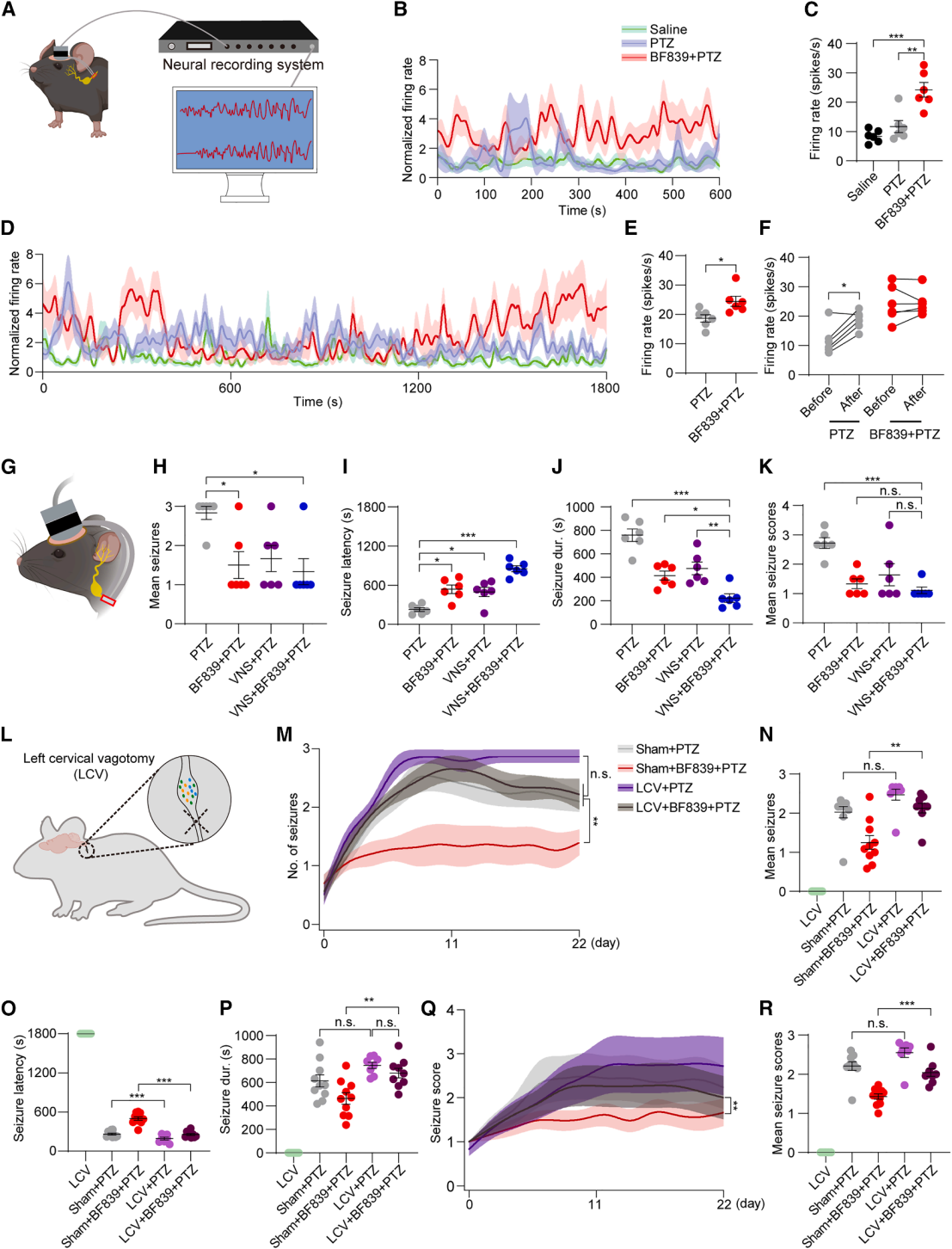
The vagus nerve mediates the metabolic signaling between the gut and the brain, and vagus nerve stimulation (VNS) is a commonly used therapy for drug-resistant epilepsy, suggesting a close relationship between the two. To verify the role of the vagus nerve in BF839's gut-brain axis antiepileptic effect, the authors recorded spontaneous vagal nerve activity in awake mice, and simultaneously detected ganglion activity during colon infusion of BF839 in anesthetized mice to eliminate movement interference (Figure 3A). The results showed that prior to PTZ injection, BF839 treatment (BF839 + PTZ group) significantly increased vagal nerve discharge frequency (Figures 3B, 3C). After PTZ injection, its ganglionic activity remained higher than that of the PTZ group (Figures 3D, 3E). Comparison of vagus nerve activity before and after PTZ injection in all groups revealed that while the PTZ group showed a significant increase in vagus nerve activity, the BF839 group exhibited a moderate increase, suggesting that its enhancing effect has an upper threshold (Figure 3F). After PTZ injection, VNS was applied (Figure 3G), and the BF839 + PTZ group and the combined group (VNS + BF839 + PTZ group) showed significantly fewer seizures than the PTZ group, with no significant effect observed in the VNS-only group (Figure 3H). The combined group had the longest seizure latency and the shortest duration, outperforming the groups with individual treatments (Figures 3I, 3J). The seizure score in the combined group was lower than in the PTZ group, with no difference compared to the individual treatment group (Figure 3K). These findings suggest that VNS and BF839 act synergistically, providing direction for personalized interventions. The left cervical vagotomy (LCV) was performed to block neural transmission (Figure 3L). The results showed that LCV significantly increased the seizure frequency in BF839-treated mice, with no significant difference in the PTZ group (Figures 3M, 3N). LCV shortened the seizure latency for both groups and prolonged the seizure duration in the BF839 group (Figures 3O, 3P). Moreover, LCV aggravated the severity of seizures in the BF839 + PTZ group, with no difference in the PTZ group (Figures 3Q, 3R). These results indicate that LCV weakens the antiepileptic effect of BF839, confirming that the vagus nerve is a key part of its gut-brain signaling pathway.

Figure 3. BF839 Enhances VNS Antiepileptic Effects by Activating Cervical NG, while LCV Reduces its Therapeutic Effect


BF839 Enhances Gut-Brain Acetylcholine Signaling Pathway

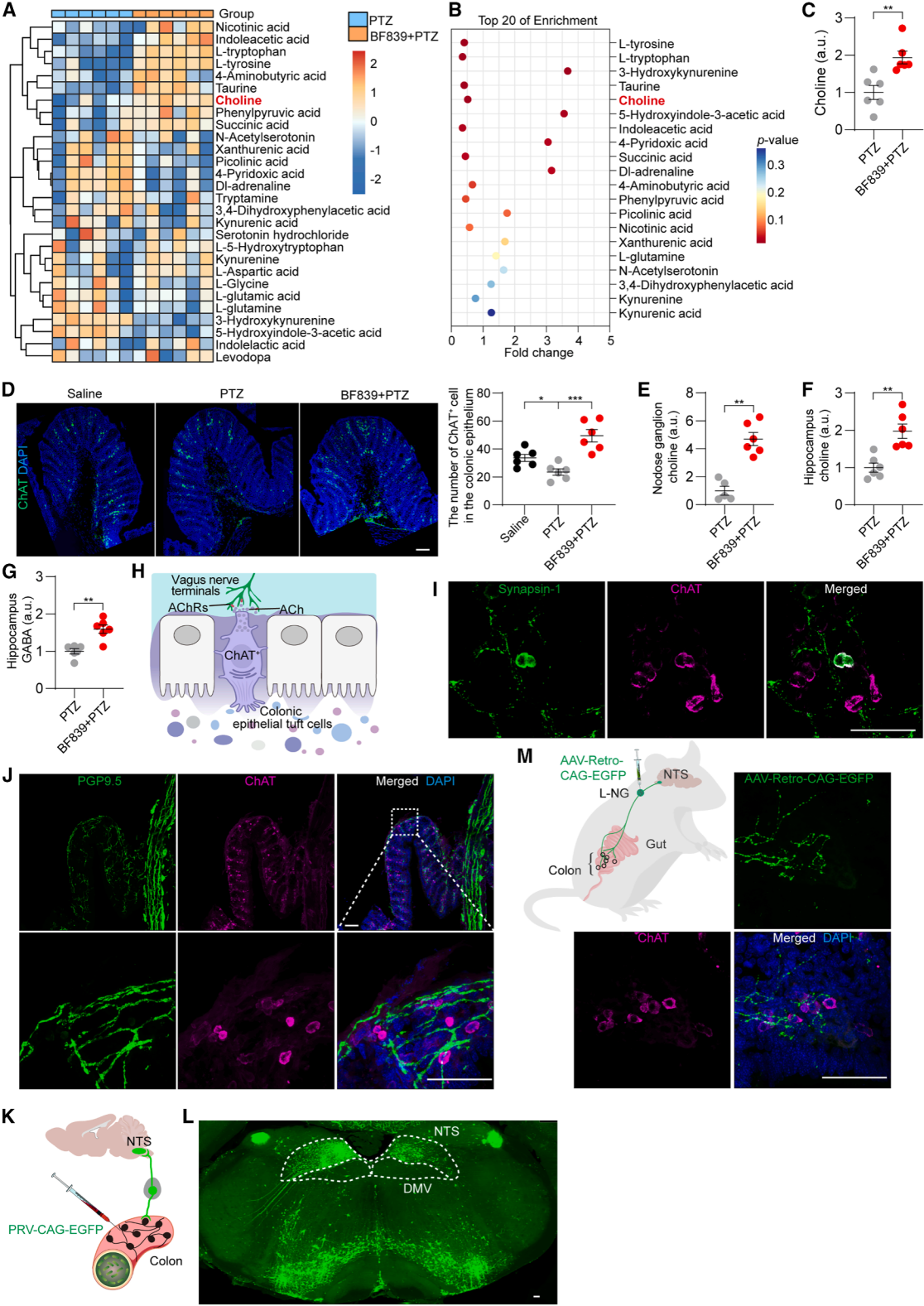
Based on the key role of neural pathways in BF839’s gut-brain axis antiepileptic mechanism, the authors conducted a targeted metabolomics analysis of neurotransmitters in the colon tissue. Quantitative analysis of 40 neuroactive compounds showed significant differences between the PTZ and BF839 groups (BF839 + PTZ group) (Figure 4A), with notable changes in cholinergic metabolites, suggesting that BF839 may regulate colon cholinergic neurotransmission (Figures 4A-4C). Considering the role of the vagus nerve in mediating BF839’s action and its regulation of cholinergic pathways, the authors investigated whether the colon ChAT-mediated gut-brain axis was involved in its antiepileptic effects. The results revealed that the number of ChAT+ cells in the colon of PTZ group mice was significantly lower than that of the saline group (Figure 4D), while BF839 treatment significantly increased this cell count (Figure 4D). High-performance liquid chromatography (HPLC) showed that the cholinergic levels in the ganglia of the BF839 group were higher than those of the PTZ group (Figure 4E). pERK-1 (a marker for neuronal activation in ganglia) immunostaining revealed that the BF839 group had a significantly higher proportion of activated neurons than the saline and PTZ groups. Subsequent experiments explored the impact of BF839 on hippocampal neurotransmitters. HPLC results showed that compared to the PTZ group, BF839 significantly elevated hippocampal acetylcholine and GABA levels (Figures 4F, 4G), with no significant changes in the serum, indicating that the vagus nerve mediates BF839's effects through the gut-brain neural pathway.
 

Colon ChAT+ Cells and Ganglionic Connection Mediating BF839-Induced Gut-Brain Signaling

To clarify whether the gut-brain axis signaling activated by BF839 is specifically mediated by ChAT, the authors explored the ability of colon ChAT+ cells to transmit signals to the brain via the vagus nerve. Reanalysis of previously published single-cell RNA sequencing data and vagal ganglion data indicated that BF839-induced colon ChAT signaling could synaptically transmit signals to the NG, suggesting that ChAT+ cluster cells form synaptic connections with the vagus nerve and transmit BF839-related signals via AChRs (Figure 4H). Co-staining experiments with anti-ChAT and synaptophysin-1 antibodies showed colocalization (Figure 4I), confirming the synaptic properties of colon ChAT+ cluster cells. Further immunostaining with PGP95 and ChAT (Figure 4J) indicated that these cells can sense probiotic signals and transmit them to the brain via the vagus nerve. To elucidate the gut-brain neural loop, PRV-CAG-EGFP was injected into the proximal colon (Figure 4K), and tracking revealed abundant fluorescence signals in the NTS (Figure 4L), confirming the neural connection between the two. This suggests that gut probiotic signals can activate NTS neurons via the vagus nerve and transmit them to the brain. Injection of AAV9-Retro-CAG-EGFP into the NG (Figure 4M) showed retrograde tracing and three-dimensional reconstruction analysis, revealing that the distance between the colon vagal sensory fibers and ChAT+ cells was extremely close (Figure 4M), indicating that the NG and ChAT+ cells establish a close connection to mediate the perception and transmission of BF839 stimulation signals.

Figure 4. BF839 Increases ChAT Levels in the Colon, NG, and Hippocampus


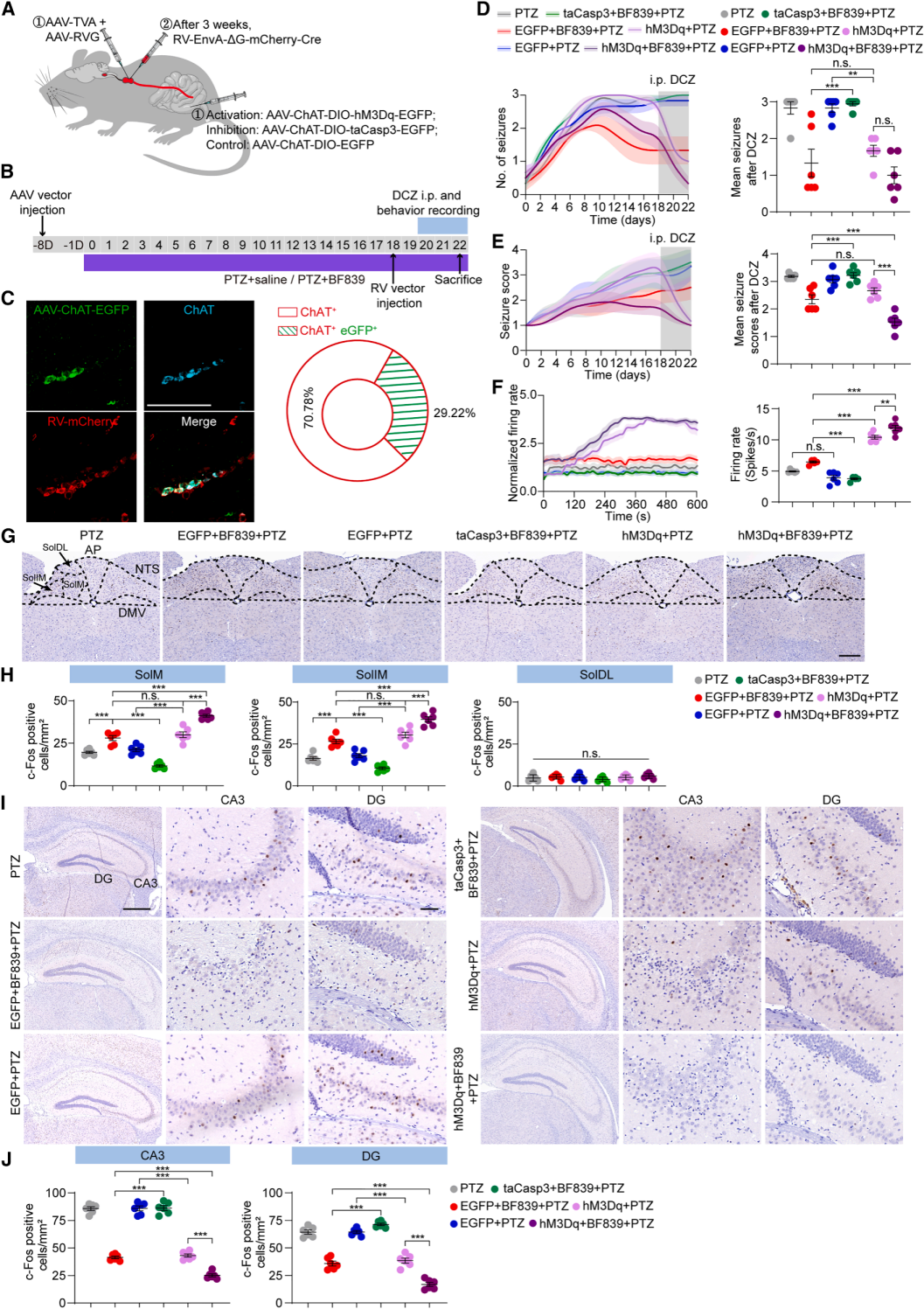
Chemogenetic Manipulation Confirms That Colon ChAT+ Cells and Ganglia Loops Mediate BF839-Induced Epileptic Suppression

To verify whether cholinergic signaling from the colon to the NG participates in BF839's antiepileptic effect, the authors used a combined viral strategy to manipulate the colon ChAT+ to vagus nerve afferent loop (Figures 5A, 5B). After labeling and co-staining verification, colon ChAT+ cells were found to co-localize with NG neurons, establishing a direct neural pathway (Figure 5C), with AAV-transduced cells comprising 29.22%±7.60% of the colon ChAT+ cells (Figure 5C). In the PTZ model, activation of ChAT+ cells significantly reduced seizure frequency, while ablation weakened the effect of BF839 (Figure 5D). The combination of both significantly reduced seizure severity (Figure 5E), confirming that the colon ChAT+→NG projection is a necessary and sufficient condition for BF839’s antiepileptic effect. Electrophysiological recordings showed that both BF839 and ChAT+ cell activation enhanced vagus nerve discharge, with the combined effect being the most significant (Figure 5F); ablation of ChAT+ cells blocked this activation (Figure 5F). In baseline firing tests, the taCasp3 group exhibited lower firing rates compared to the control group, while the hM3Dq group showed no difference. c-Fos imaging showed that BF839 or ChAT+ cell activation increased neuronal activity in the medial and intermediate subregions of the NTS, with a synergistic enhancement in the combined group (Figures 5G, 5H), and no changes in the dorsolateral subregion (Figure 5H). Hippocampal CA3 and DG regions showed significant suppression of activity, with the combined group showing the strongest effect (Figures 5I, 5J). Overall, colon ChAT+ cells transmit BF839-induced cholinergic signals to the NTS via the vagus nerve, reducing hippocampal hyperexcitability, and this pathway is critical for BF839’s antiepileptic effect.

Figure 5. Activation of the Gut-Vagus Nerve Cholinergic Pathway Can Suppress Seizures and Reduce Hippocampal Neuron Excitability


The Antiepileptic Effect of Bacteroides fragilis is Associated with Lactobacillus Colonization in the Gut

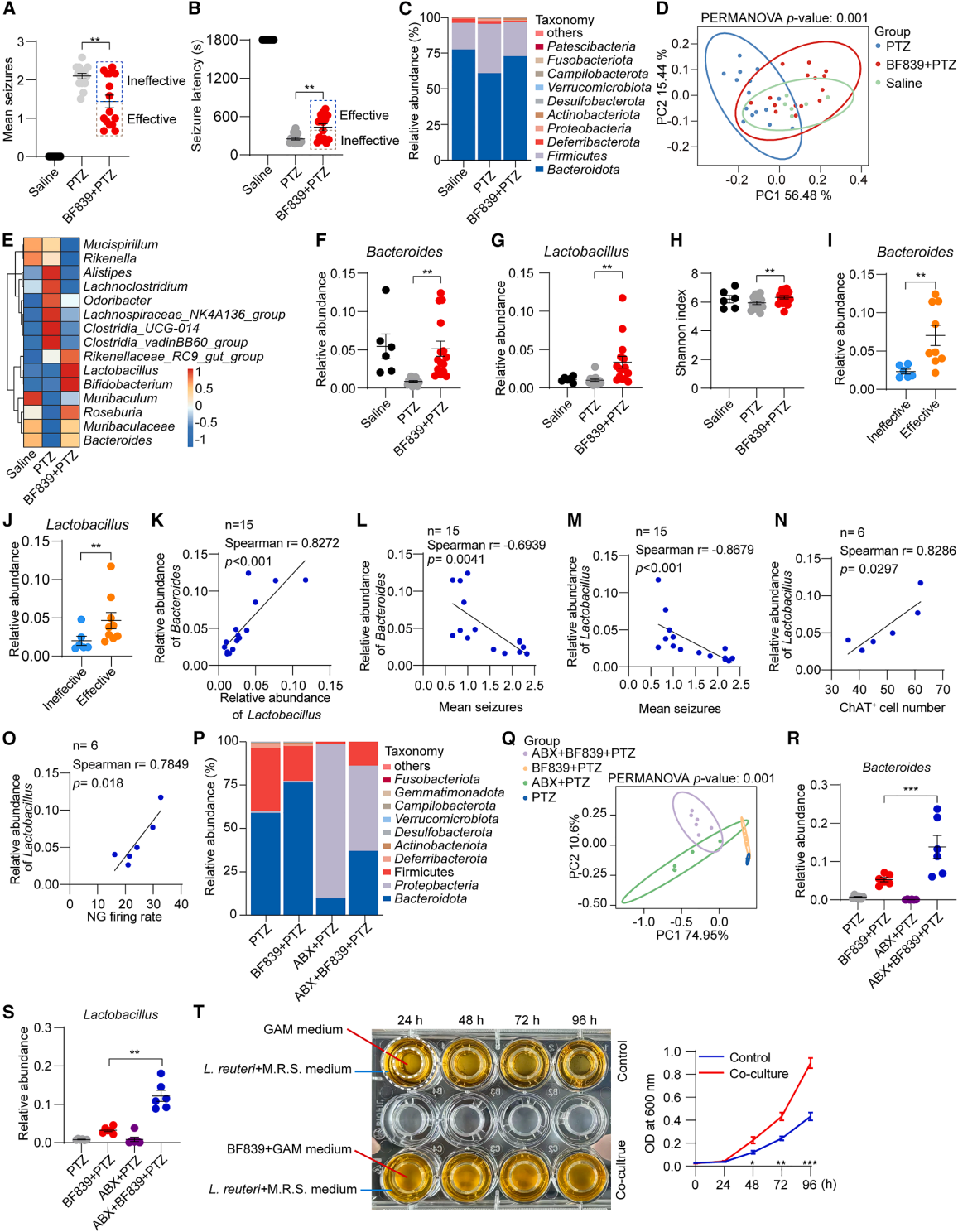
BF839 alleviates PTZ-induced seizures in mice. After 22 days of intervention, the BF839 + PTZ group showed reduced seizure frequency, extended latency, and shorter duration (Figure 6A). Due to individual variations in efficacy, the mice were divided into effective and ineffective groups, with the effective group exhibiting significantly lower seizure incidence and scores compared to the ineffective group. 16S rRNA sequencing showed that the mouse gut microbiota was dominated by Bacteroidetes and Firmicutes (Figure 6C), with PTZ treatment significantly altering the microbiota composition (Figure 6D). Gavage of BF839 significantly increased the abundance of Bacteroides and Lactobacillus (Figures 6E-6G), while also improving microbiota α-diversity (Figure 6H). Agar plate culture confirmed that the effective group had higher abundances of Bacteroides and Lactobacillus than the ineffective group (Figures 6I, 6J). Spearman analysis revealed a positive correlation between the abundances of Bacteroides and Lactobacillus (Figure 6K), and both were negatively correlated with seizure frequency (Figures 6L, 6M), suggesting that the Lactobacillus niche influences BF839 efficacy. Moreover, the abundance of Lactobacillus was positively correlated with the number of colon ChAT+ cells and the discharge rate of vagal ganglion neurons (Figures 6N, 6O), indicating that both may synergistically activate the gut-brain cholinergic pathway to mediate antiepileptic effects. To explore whether antibiotic (ABX) pre-treatment promotes Lactobacillus colonization by expanding the Bacteroides niche and enhancing BF839 efficacy, the results showed that the ABX + BF839 + PTZ group had significantly higher abundances of Bacteroides and Lactobacillus compared to the BF839-only group (Figures 6P-S). Anaerobic co-culture experiments showed that BF839 metabolites promoted the proliferation of Lactobacillus reuteri (Figure 6T). In in vivo experiments, the BF839 and Lactobacillus reuteri co-gavage group had significantly higher bacterial counts in feces than the group given BF839 alone, with both bacteria forming adjacent colonies, confirming that BF839 promotes Lactobacillus reuteri colonization. Overall, BF839 regulates the gut microbiota, increases the metabolites required for Lactobacillus growth, and promotes its expansion in the colon, with these metabolic changes possibly mediating the antiepileptic effects of BF839.

Figure 6. The Differential Efficacy of BF839’s Antiepileptic Effects Is Related to Lactobacillus Abundance
 

The Therapeutic Effect of Bacteroides fragilis on Drug-Resistant Epilepsy in Children

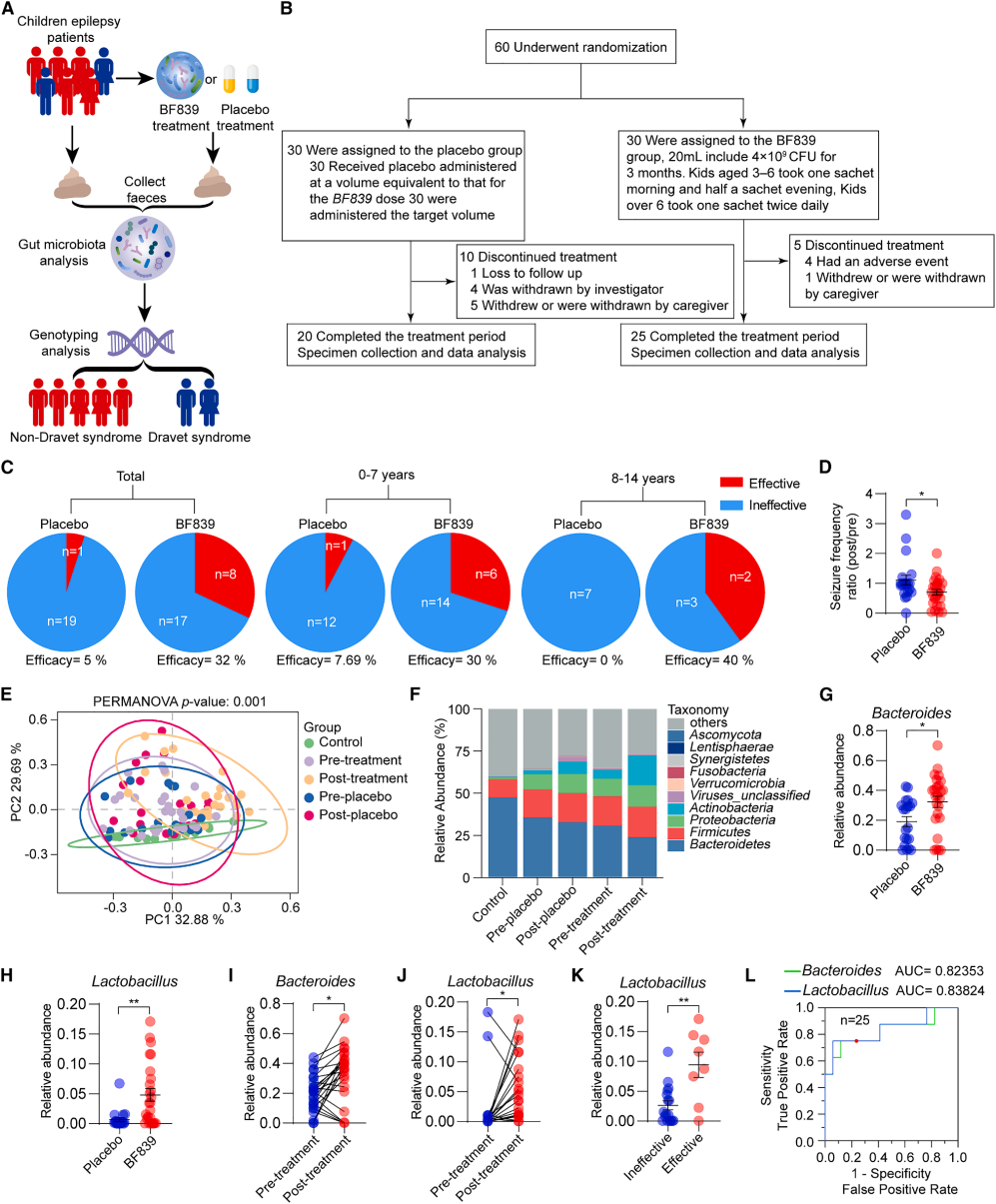
Based on the results from animal experiments showing that BF839 can increase the abundance of Lactobacillus in the colon, the authors conducted a human clinical trial to assess its translational potential for treating drug-resistant epilepsy. The study included 60 children with drug-resistant epilepsy from Shenzhen Children's Hospital between February 2021 and January 2022. The participants were randomly assigned to two groups and maintained on a regular diet along with anticonvulsant therapy for 3 months (Figures 7A, 7B). The treatment success rate for the BF839 group was 32%, significantly higher than the 5% in the placebo group, with consistent efficacy observed across different age groups (Figure 7C). The standardized seizure frequency ratio showed that the BF839 group had a significantly lower frequency than the placebo group, suggesting a reduction in seizure frequency (Figure 7D). Sequencing results revealed that the BF839 group had a significant increase in the abundance of Bacteroides and Lactobacillus, and both bacterial groups showed a notable increase after treatment (Figures 7E-J). In the effective treatment group, Lactobacillus levels were significantly higher than in the ineffective treatment group (Figures 7K, 7L). The therapeutic efficacy of BF839 was positively correlated with the colonization of these two bacterial species (Figure 7K), highlighting the mediating role of the microbiota in individualized treatment responses. In conclusion, BF839 enhances cholinergic signaling and alleviates epilepsy through a Lactobacillus-synergistic mechanism, with clinical trial results aligning with preclinical studies, showing its potential for treating drug-resistant epilepsy in children.

Figure 7. Study Outcomes and Treatment Results in BF839 Oral Administration Trials


Conclusion

This study demonstrates that BF839 exerts its antiepileptic effects through the colon ChAT+ cell-vagus nerve ganglion-NTS cholinergic pathway. It confirms that the colonization of Lactobacillus in the gut is closely related to the antiepileptic effects of BF839, forming a microbiota-synergistic mechanism. Clinical trials show that BF839 is both safe and effective for treating drug-resistant epilepsy in children, providing a new approach for microbiota-targeted therapies.


The viral tools used in this study are available from
 Brain Case,
which also offers various customized services.
For more information, please contact

bd@ebraincase.com

 
Product Category Product No. Product Name
Sparse Labeling BC-SL001 NCSP-YFP-2E5
Fluorescent Protein BC-0251 AAV9-Retro-CAG-EGFP
Fluorescent Protein BC-0424 rAAV-ChAT-DIO-EGFP
Chemogenetics BC-4404 rAAV-ChAT-DIO-hM3D(Gq)-P2A-EGFP
Apoptosis BC-4405 rAAV-ChAT-DIO-taCasp3-T2A-TEVp-P2A-EGFP
PRV BC-PRV-531-Pro PRV-CAG-EGFP
RV-helper BC-2042 rAAV-hSyn-H2B-EGFP-T2A-TVA
RV-helper BC-4406 rAAV-hSyn-N2cG
RV BC-RV-CVS EnvA472 CVS-EnvA-ΔG-mCherry-P2A-Cre

Service Type :

Select the service you'd like to purchase.

Order Information(Premade-AAVs)

Please provide us some information about the service you'd like to order.

How did you hear about BrainCase Biotech or our products?(Fill in this field to get a discount coupon)

Detailed requirements:

scroll

Order Information(Custom AAV/Lentivirus)

Please provide us some information about the service you'd like to order.

Gene ID or gene information:

Selection of the reporting gene:

Special Instructions:

scroll

Order Information(Others)

Please provide us some information about the service you'd like to order.

Virus name/Detailed requirements:

scroll

Related products

Client Article | Neuron | Xinan Liu/ Zuxin Chen Team from Shenzhen Institute of Advanced Technology Reveals "Gut-Brain" Pathway Mediating the Antiepileptic Effects of Probiotics

Client Article | Neuron | Xinan Liu/ Zuxin Chen Team from Shenzhen Institute of Advanced Technology Reveals "Gut-Brain" Pathway Mediating the Antiepileptic Effects of Probiotics

Customer Article | Cell | Fudan University’s YiZhou Jiang, ZhiMin Shao, JinFei Ni, and Yi Xiao Team Reveal the Role of Sensory Neurons in Regulating the Tumor Microenvironment in Triple-Negative Breast Cancer (TNBC),Providing New Targets for Immunotherap

Customer Article | Cell | Fudan University’s YiZhou Jiang, ZhiMin Shao, JinFei Ni, and Yi Xiao Team Reveal the Role of Sensory Neurons in Regulating the Tumor Microenvironment in Triple-Negative Breast Cancer (TNBC),Providing New Targets for Immunotherap

New Approaches in Epilepsy Treatment: Fudan University Team Reveals Key Circuit Involved in Piriform Epileptic Seizures and Brain-Wide Functional Reorganization

New Approaches in Epilepsy Treatment: Fudan University Team Reveals Key Circuit Involved in Piriform Epileptic Seizures and Brain-Wide Functional Reorganization

Literature Insight | Neuroscience Bulletin | Fuqiang Xu, Pengjie Wen, and Jie Wang Reveal a Non-spinal Bladder–Brain Vagal Neural Pathway

Literature Insight | Neuroscience Bulletin | Fuqiang Xu, Pengjie Wen, and Jie Wang Reveal a Non-spinal Bladder–Brain Vagal Neural Pathway

map
{dede:global.cfg_webname/}

Virus product library

CRISPR
RNAi
Neurophilic virus
Optogenetics activation
Biosensors

News

Corporate News
New Product Launch
Team
Investor News

Support

Literature interpretation
Customer article
Video Zone
FAQs
微信

WhatsApp Business Account

Tel: +8618971215294
E-mail: BD@ebraincase.com

Address:-

Address:-

  • Copyright © 2024 Brain Case All Rights Reserved.