- E-mail:BD@ebraincase.com
- Tel:+8618971215294


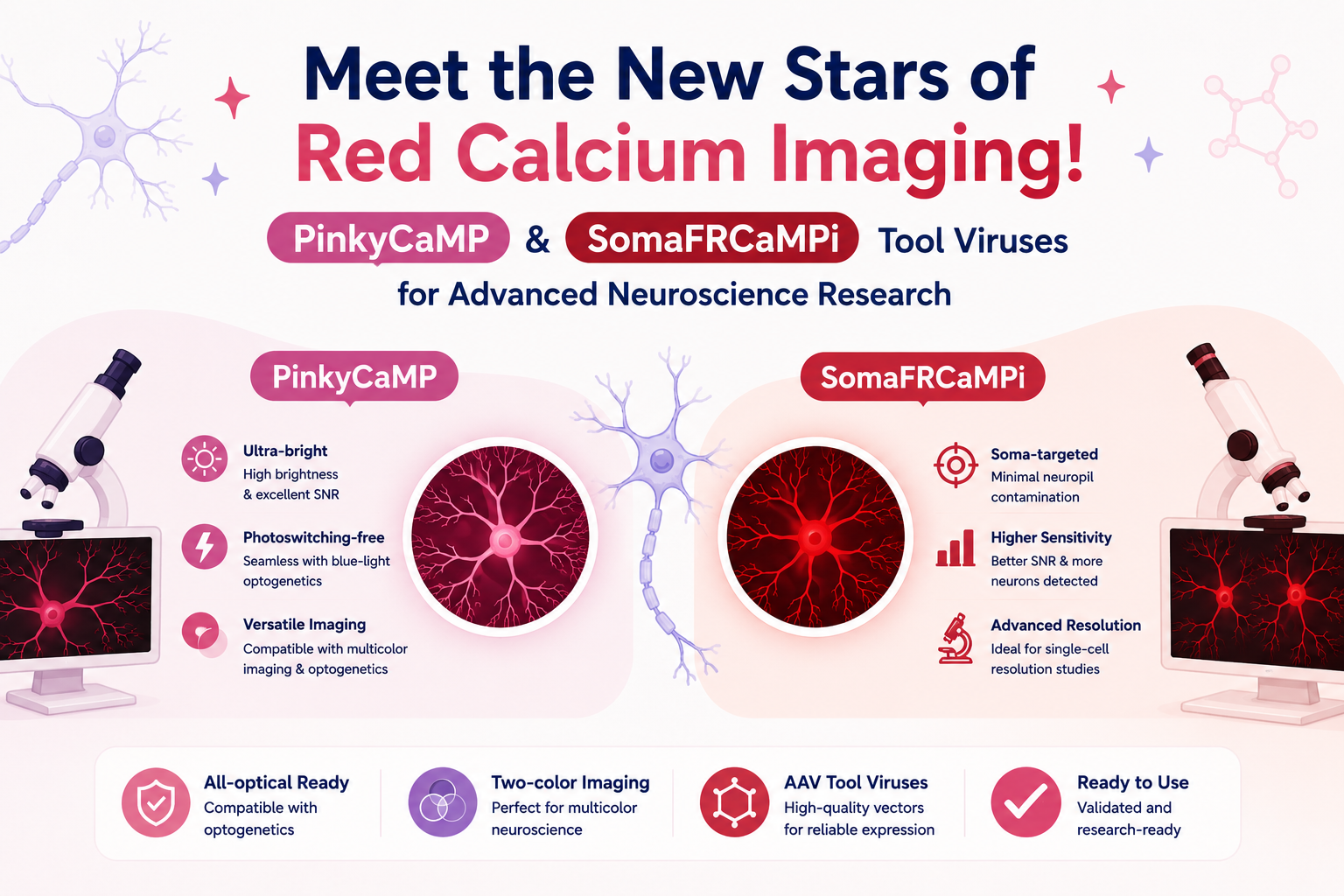
Meet PinkyCAMP and SomaFRCAMPi, next-generation red GECI tool viruses designed for brighter, cleaner, and more sensitive in vivo calcium imaging.
Learn More
A complete guide comparing GCAMP6, jGCAMP7, jGCAMP8 and RiboL1-jGCAMP8, covering sensitivity, kinetics, soma targeting and RO-injection brightness performance.
Learn More
Compared to the commonly used jRGECO1a, SomaFRCAMPi exhibits a broader dynamic range, higher peak ΔF/F₀, and an improved signal-to-noise ratio (SNR).
Learn More
Explore the Brain Case Rainbow Flexible Combo Program for flexible multi-virus ordering in neuroscience research. Freely combine optogenetics, chemogenetics, calcium imaging, and neurotransmitter sensor tools with optimized cost efficiency.
Learn More
Explore the Brain Case Rainbow Flexible Combo Program for flexible multi-virus ordering in neuroscience research. Freely combine optogenetics, chemogenetics, calcium imaging, and neurotransmitter sensor tools with optimized cost efficiency.
Learn More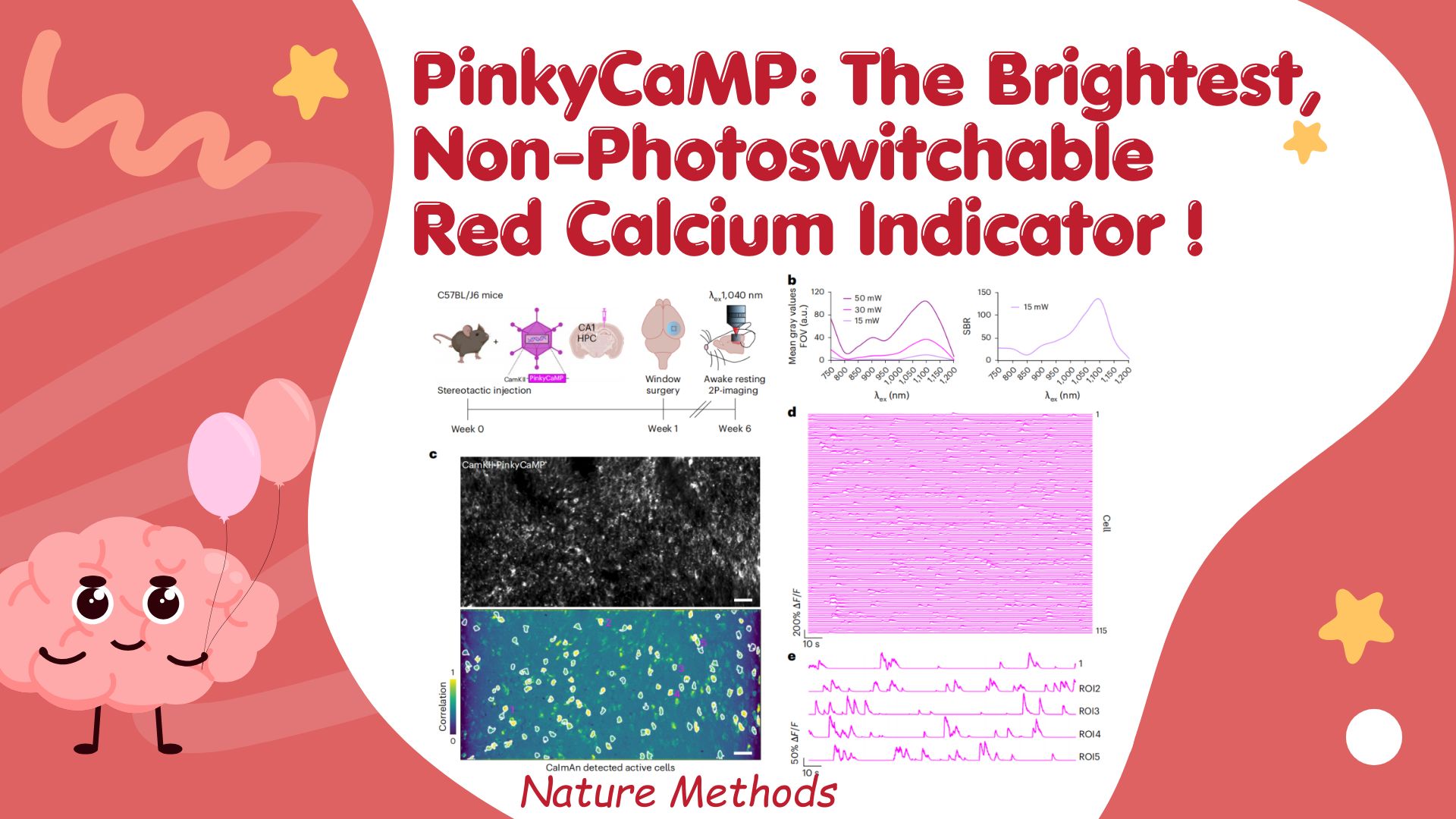
PinkyCAMP, an mScarlet-based red GECI, offers high brightness, photostability, and multicolor compatibility for in vitro, ex vivo, and in vivo neural imaging.
Learn More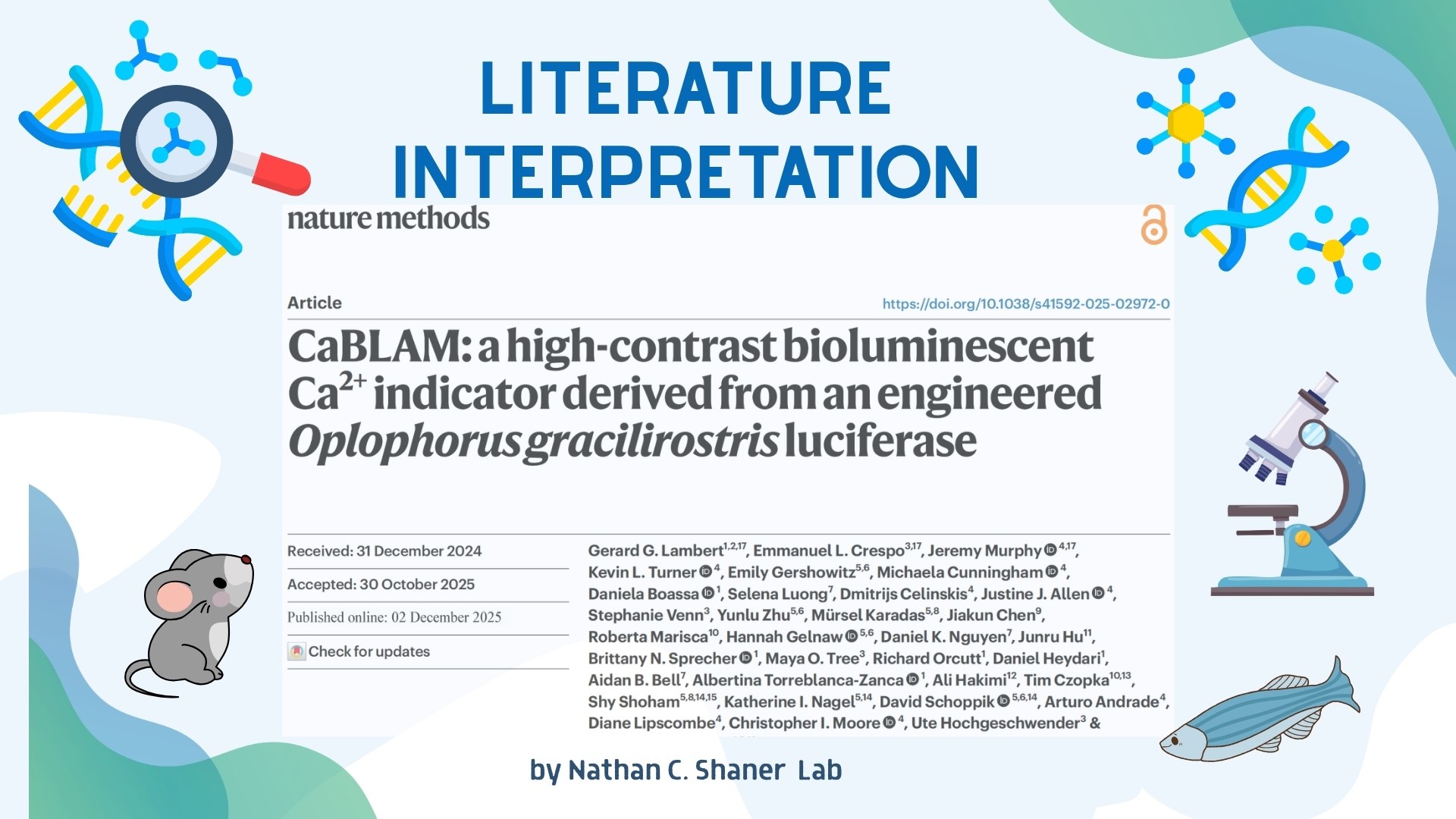
CaBLAM is ideal for long-term monitoring of neuronal activity (e.g., learning and memory), imaging in freely behaving animals, and photosensitive samples.
Learn More
Explore how tools like DREADDs, LiGluR, and Channelrhodopsin are advancing astrocyte calcium signaling research and its impact on neuroglial interactions and behavior.
Learn More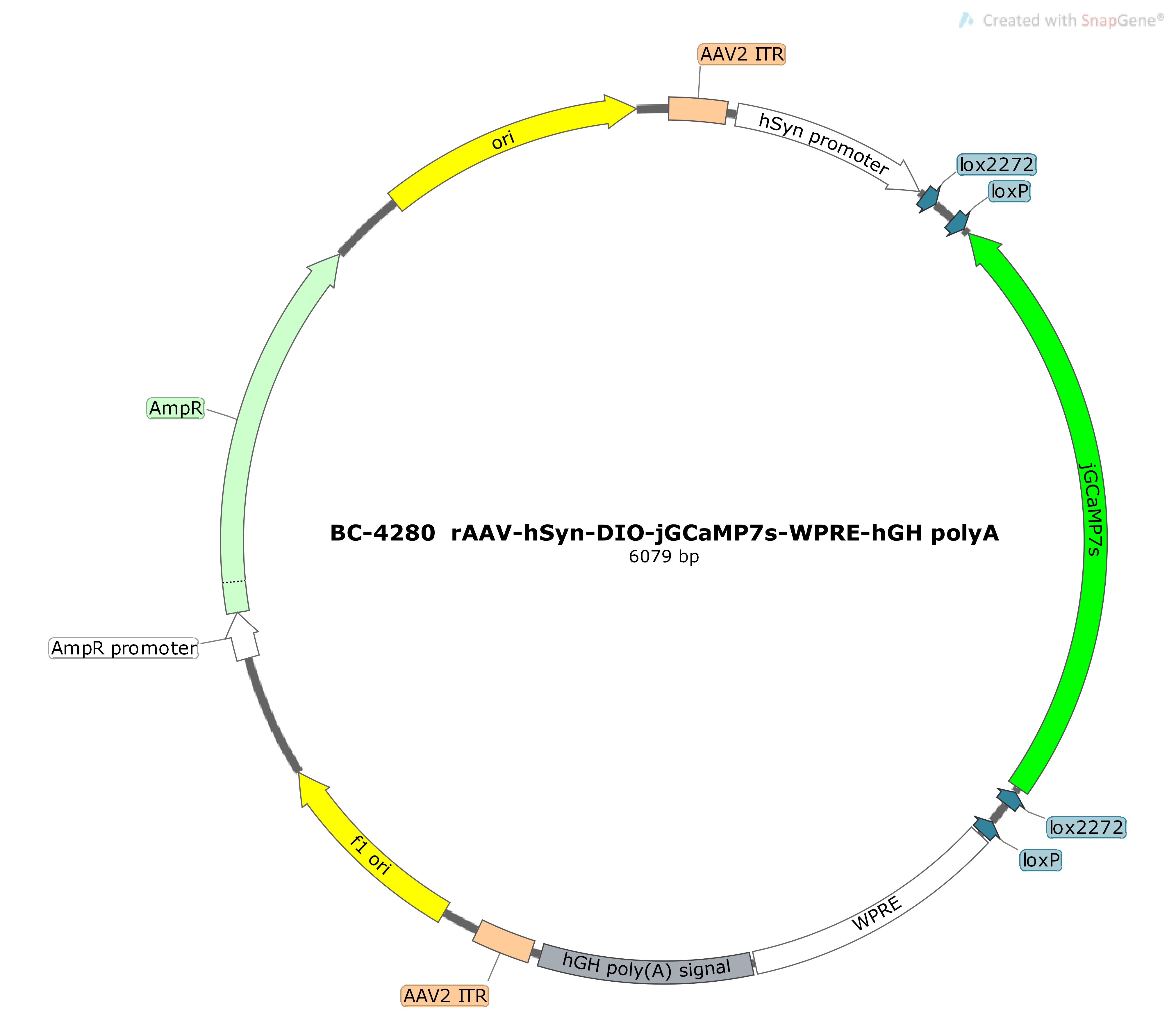
Features:jGCAMP7 is a green genetically encoded calcium indicator(GECI) tailored to detect neuronal activity. The jGCAMP7 sensors show substantially better performance than the GCAMP6 sensors in vitro and in vivo. jGCAMP7s :higher response to smal
Learn More
This study reveals how hearing loss impairs hippoCAMPal neurogenesis and cognition via weakened PnCvGluT2→LCNE input, and how activation can rescue these deficits.
Learn More

WhatsApp Business Account
Address:-
Address:-