All the Retrograde AAV Serotypes You Want to Know Are Here
Release time:2026-06-12 13:48:46
Precise tracing and functional manipulation of neural circuits are essential for understanding brain function and disease mechanisms. Natural adeno-associated viruses (AAVs) primarily undergo anterograde transport and are generally inefficient at retrograde labeling of projection neurons, limiting their use in long-range circuit studies. Through capsid engineering and directed evolution, a series of efficient retrograde AAV serotypes have been developed, greatly improving axon terminal uptake and retrograde transport efficiency. These vectors have become important tools in neuroscience research. This article summarizes the development, characteristics, and applications of several representative retrograde AAV serotypes and provides a reference for neural circuit studies.
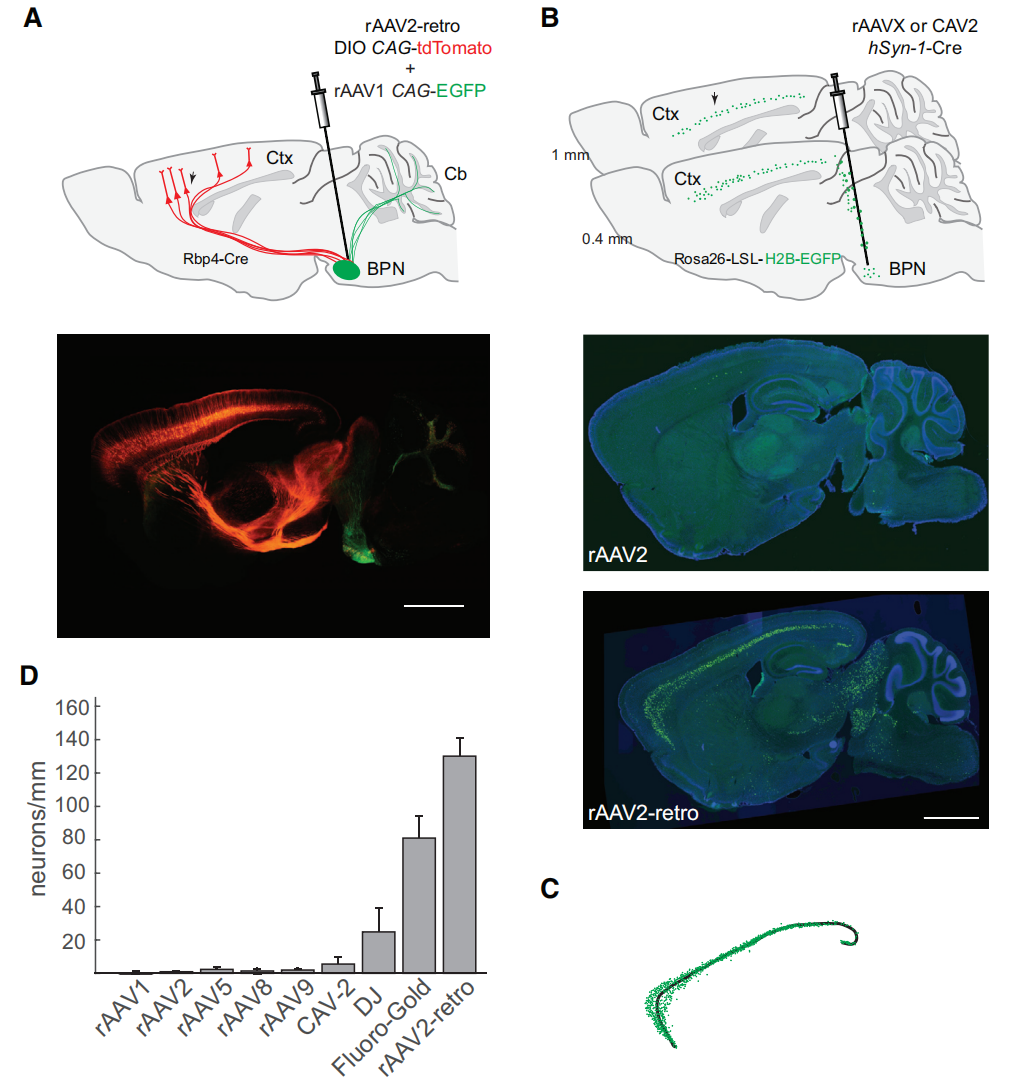
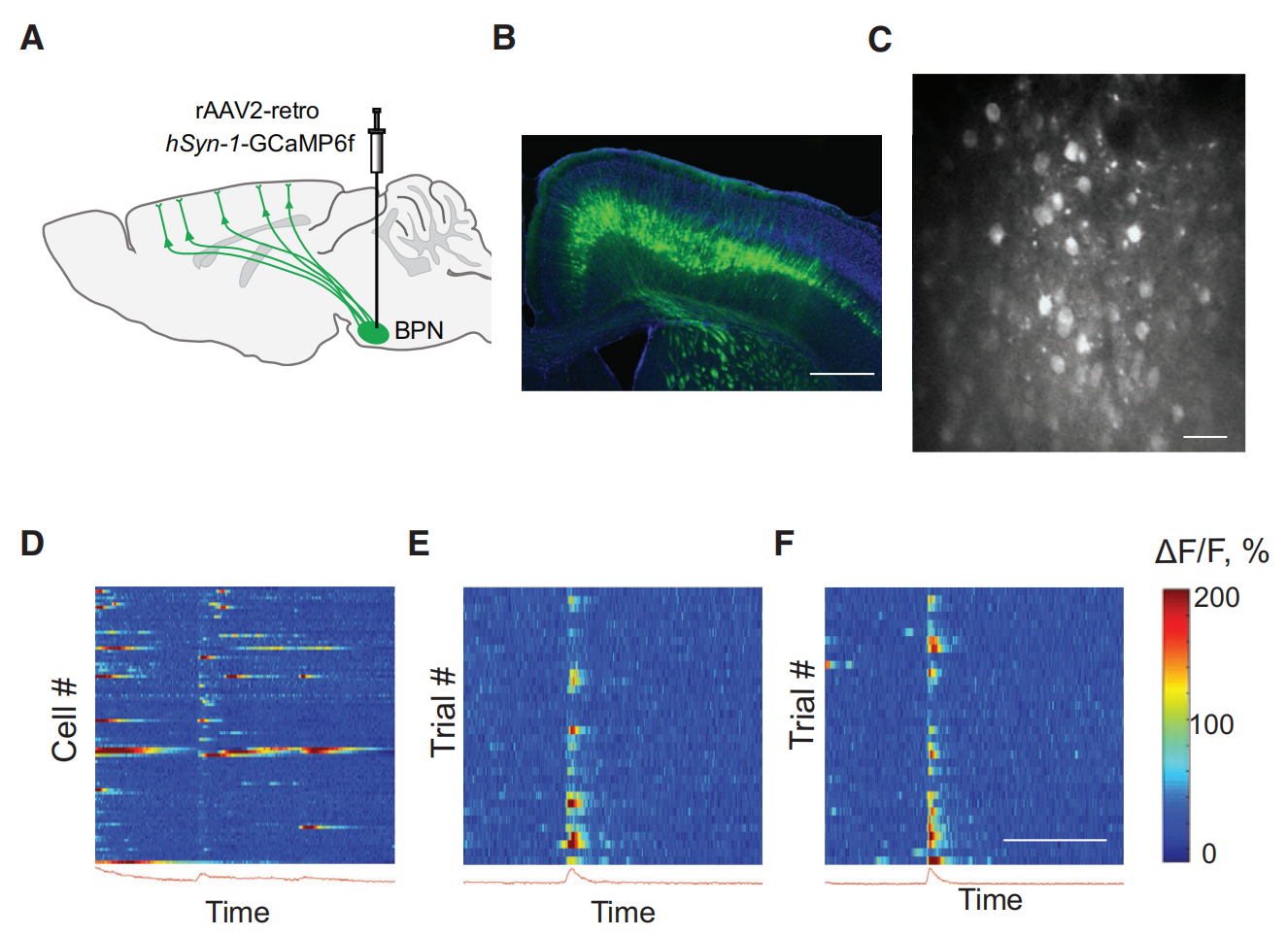
AAV2-retro On October 19, 2016, the team of David V. Schaffer at the University of California and the team of Alla Y. Karpova at the Howard Hughes Medical Institute published a study titled A Designer AAV Variant Permits Efficient Retrograde Access to Projection Neurons in Neuron. By performing in vivo directed evolution of the AAV2 capsid, the researchers developed a new retrograde transport variant, AAV2-retro. This variant can be taken up at axon terminals and transported retrogradely to neuronal somata, enabling precise labeling of projection neurons throughout the brain. It is compatible with downstream applications including calcium imaging, optogenetic manipulation, and CRISPR-based gene editing. The vector shows stable expression, low toxicity, and long-term performance in mice, rats, and non-human primates, and can efficiently label long-range neural circuits such as cortico-basal ganglia pathways. Using the corticopontine pathway as a model, the study demonstrated that the retrograde efficiency of AAV2-retro was approximately two orders of magnitude higher than commonly used AAV serotypes, including AAV2, AAV9, and CAV-2, and was comparable to the classical retrograde tracer Fluoro-Gold.
Figure 1. Quantitative analysis of retrograde transport efficiency among different serotypes.
Figure 2. Efficient retrograde delivery of GCaMP6f by rAAV2-retro enables in vivo functional imaging of neural circuits.
AAV-DJ/9
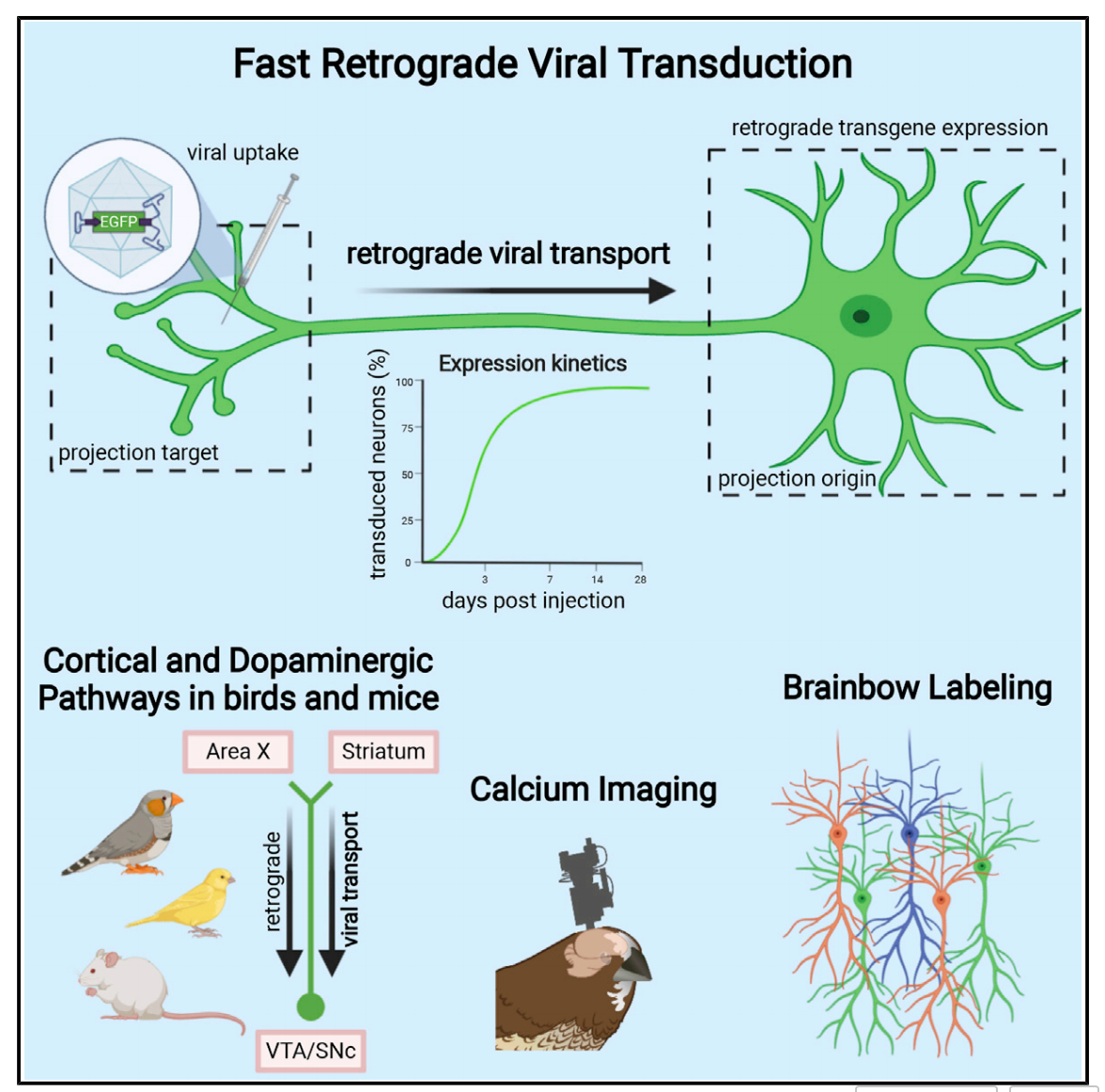
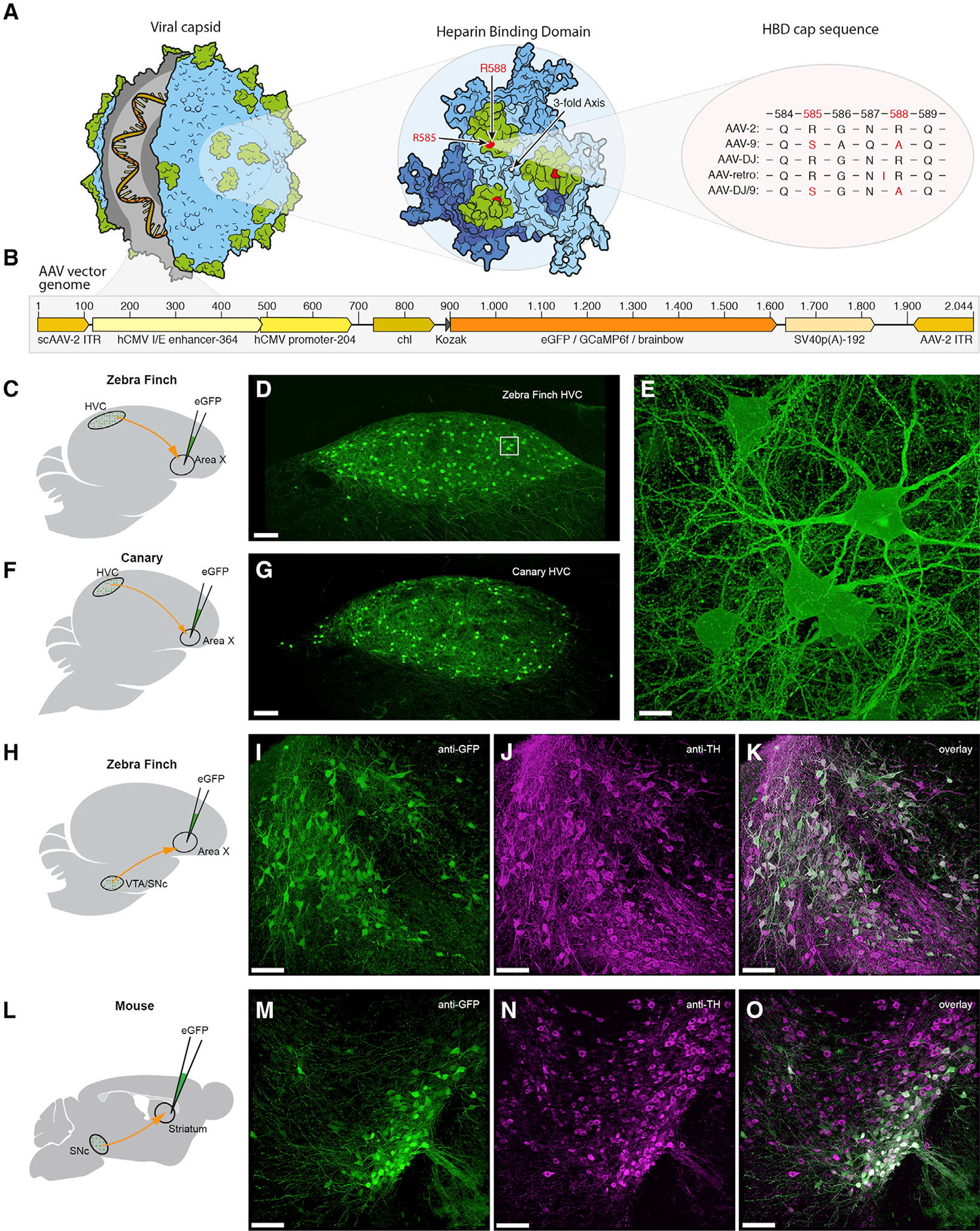
On November 10, 2020, Daniel N. Düring and colleagues published a study titled Fast Retrograde Access to Projection Neuron Circuits Underlying Vocal Learning in Songbirds in Cell Reports. In this study, the researchers developed the AAV-DJ/9 serotype. Key mutations in its heparin-binding domain (HBD) significantly enhanced axon terminal uptake and retrograde transport efficiency. The resulting scAAV-2-DJ/9 vector enabled rapid, efficient, and bright retrograde labeling of projection neurons, including dopaminergic neurons, within three days in songbirds (zebra finches, Bengalese finches, and canaries) as well as mice. The vector supports morphological analysis, in vivo calcium imaging, and multicolor Brainbow labeling. It overcomes the limitations of traditional AAV vectors in songbird vocal learning studies, including slow expression, low efficiency, and weak labeling, and provides an efficient cross-species tool for studying speech-related and dopamine-related neural mechanisms.
Figure 3. AAV-DJ/9-mediated rapid retrograde labeling and functional imaging of neural circuits in songbirds and mice.
Figure 4. Capsid and genome structure of AAV-DJ/9, enabling efficient retrograde labeling of projection neurons and dopaminergic neurons in songbirds and mice.
AAV11
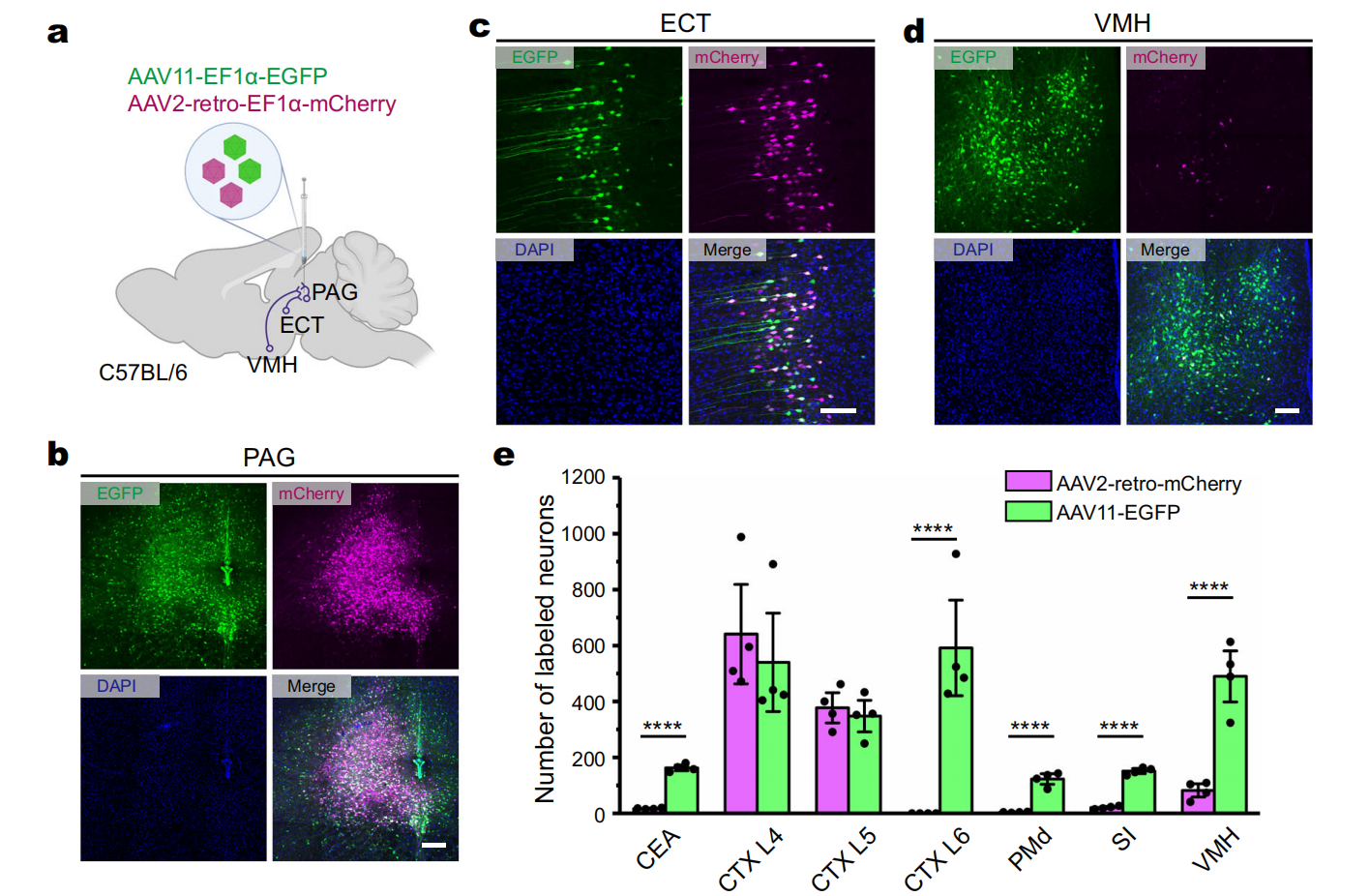
On June 26, 2023, the team led by Fuqiang Xu at the Shenzhen Institute of Advanced Technology and the Innovation Academy for Precision Measurement Science and Technology, Chinese Academy of Sciences, published a study titled AAV11 Enables Efficient Retrograde Targeting of Projection Neurons and Enhances Astrocyte-Directed Transduction in Nature Communications. The study developed a new retrograde AAV vector, rAAV11, which efficiently labels projection neurons through axon terminal uptake in mice. Its overall retrograde capability is comparable to AAV2-retro while displaying complementary tropism across different neural circuits, particularly showing higher efficiency in deep brain nuclei pathways. In addition to efficient retrograde labeling of projection neurons, the vector can deliver functional elements such as Cre recombinase and calcium indicators for monitoring and manipulating neuronal activity. Combining efficient retrograde tracing with astrocyte-directed targeting, rAAV11 provides a new viral tool for studying neural circuit structure and function.
Figure 5. Comparison of retrograde transduction efficiency between AAV11 and AAV2-retro.
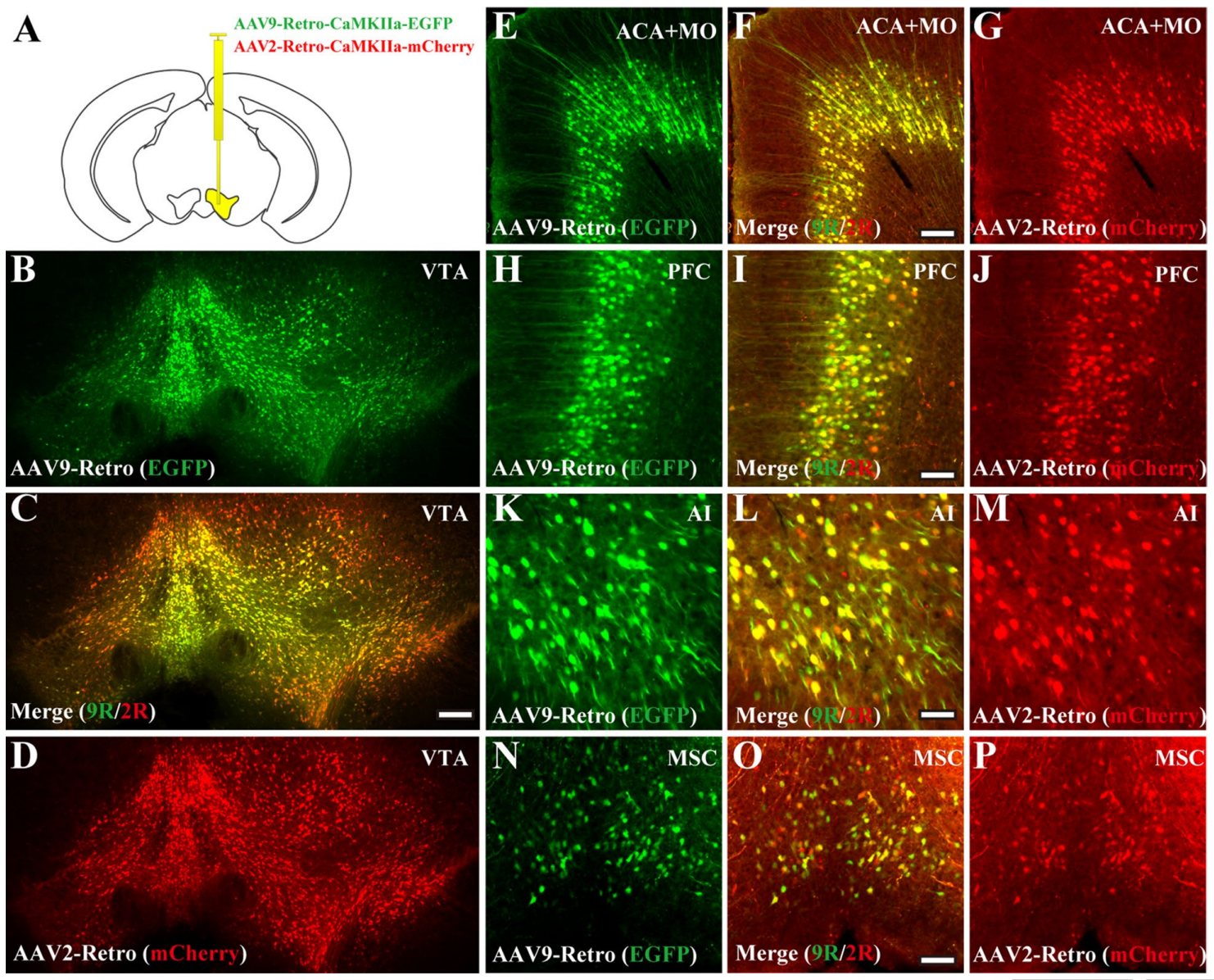
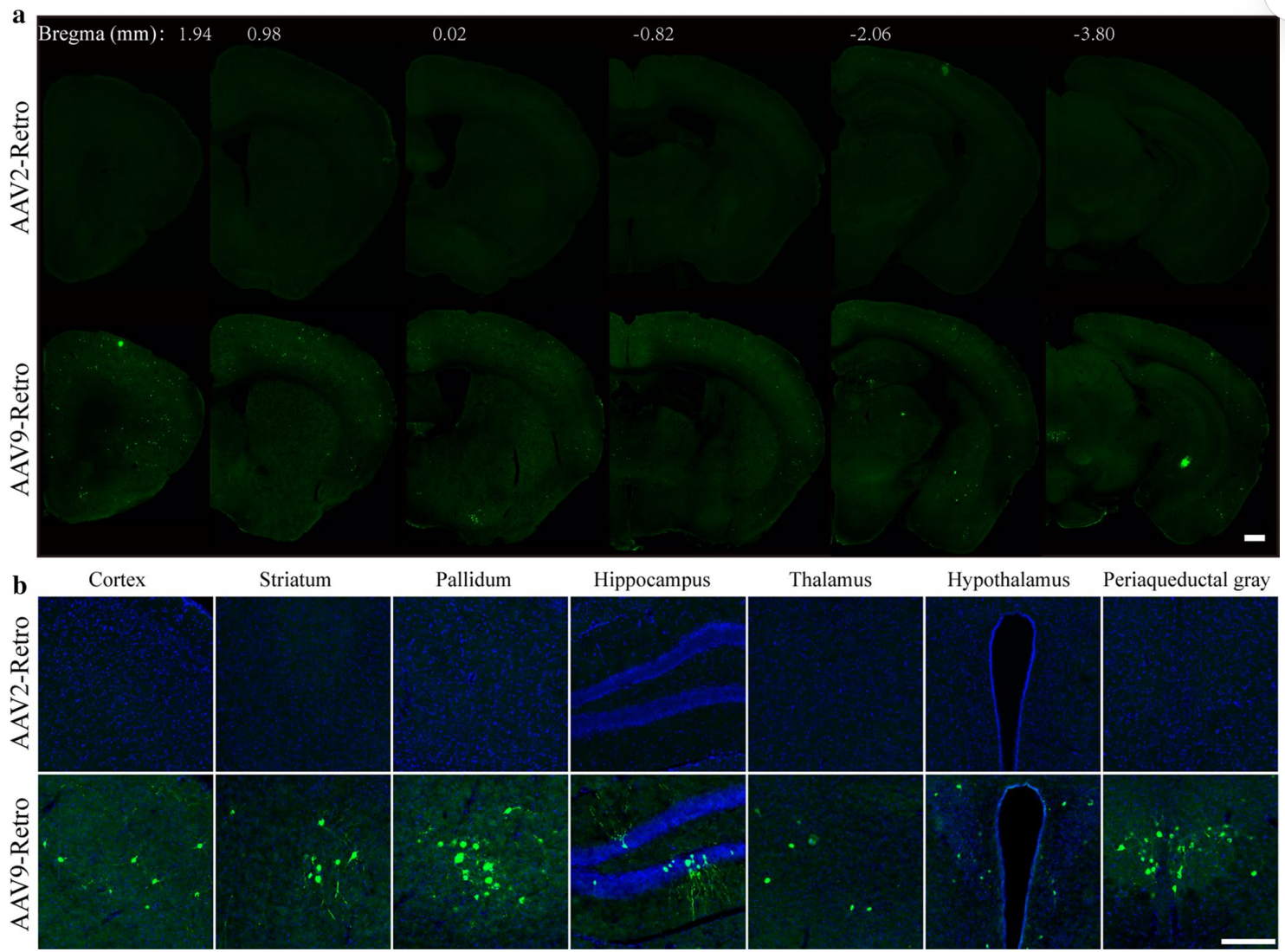
AAV9-Retro In 2020, the team led by Fuqiang Xu at the Shenzhen Institute of Advanced Technology, Chinese Academy of Sciences, published a study titled AAV9-Retro Mediates Efficient Transduction with Axon Terminal Absorption and Blood-Brain Barrier Transportation in Molecular Brain. By engineering the AAV9 capsid, the researchers developed a new serotype, AAV9-Retro. This vector can achieve efficient retrograde transduction through axon terminal uptake. Its retrograde neuronal transduction efficiency is comparable to that of AAV2-Retro, while retaining the ability of AAV9 to cross the blood-brain barrier. This provides a new vector platform combining efficient retrograde transport and broad delivery capability for large-scale neural circuit tracing, systemic gene delivery, and the treatment of neurological diseases.
Figure 6. Co-labeling of projection neurons by co-injection of AAV9-Retro and AAV2-Retro.
Figure 7. Intravenous administration of rAAV9-Retro transduces neurons across multiple regions of the central nervous system.
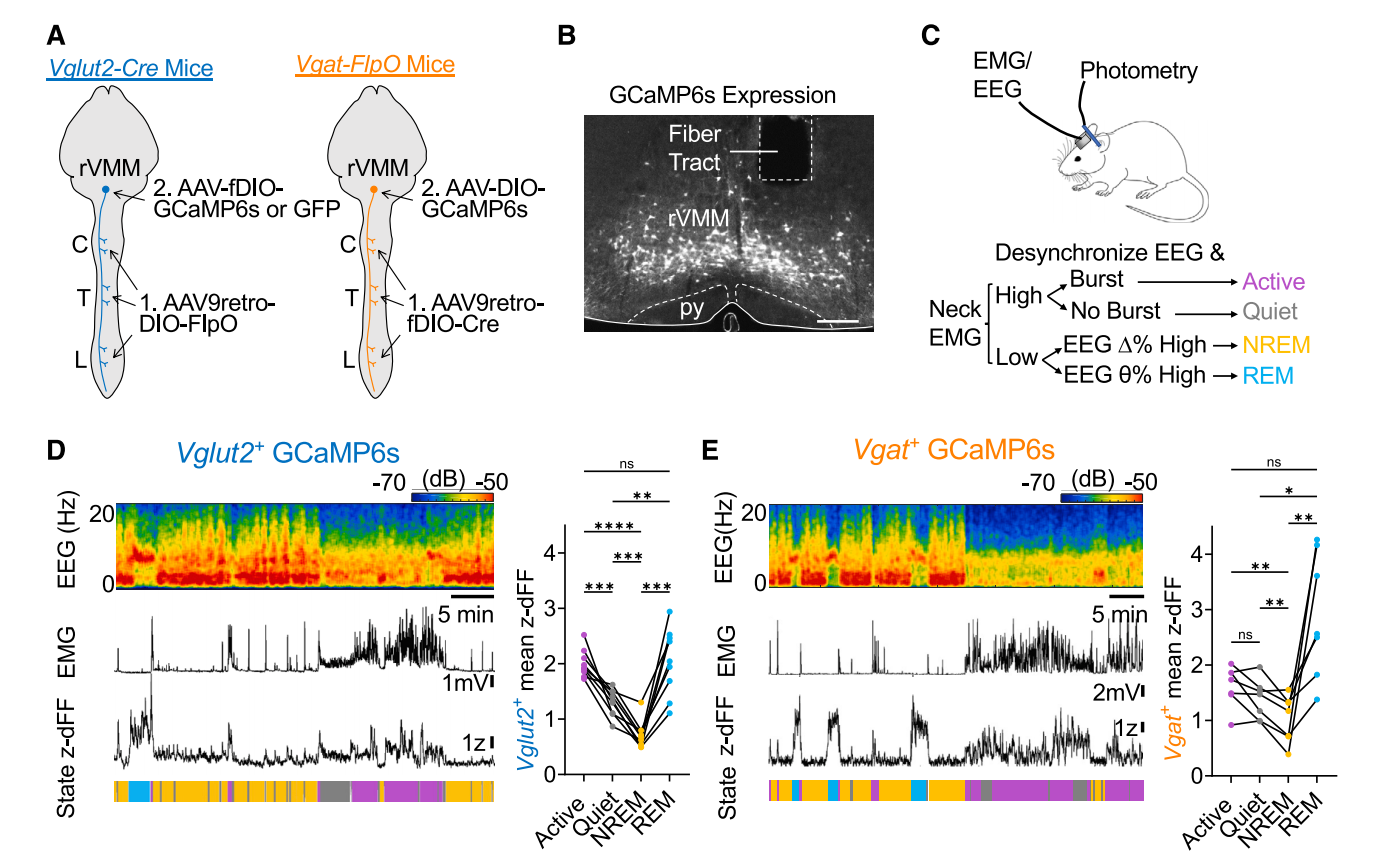
In addition, on June 20, 2024, the teams of Zicong Zhang and Zhigang He at Boston Children's Hospital, Harvard Medical School, published a study titled Spinal Projecting Neurons in Rostral Ventromedial Medulla Co-regulate Motor and Sympathetic Tone in Cell. Using the efficient axon terminal uptake and retrograde tracing capability of AAV9-Retro, the researchers precisely labeled spinal-projecting neurons (SPNs) in the rostral ventromedial medulla (rVMM). The study demonstrated that these neurons co-regulate motor tone and sympathetic tone, providing an important tool for dissecting descending brainstem-spinal cord regulatory circuits.
Figure 8. Activity patterns of excitatory and inhibitory rVMM-SP neurons under different behavioral states.
AAV-ROOT
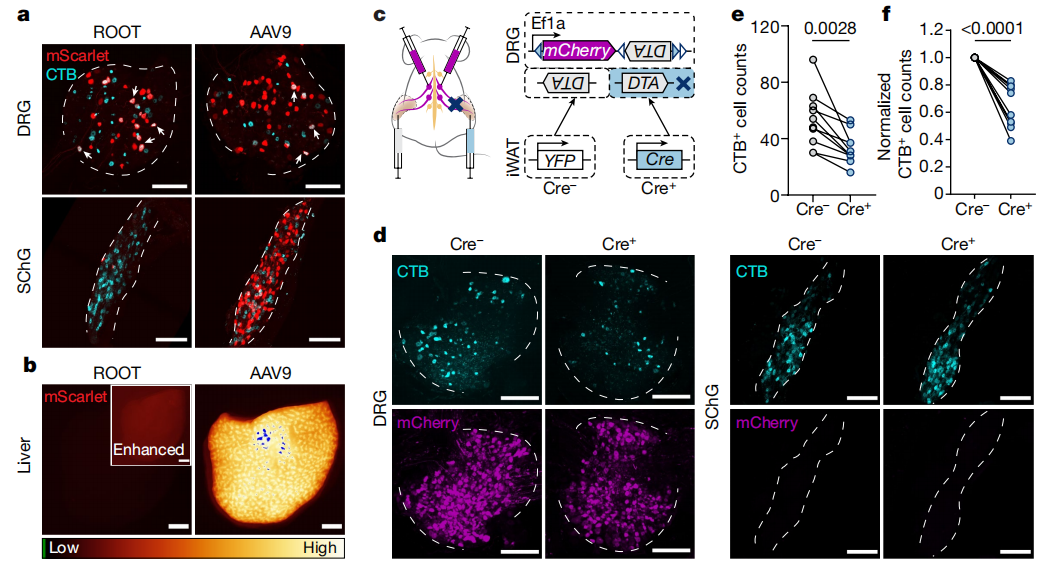
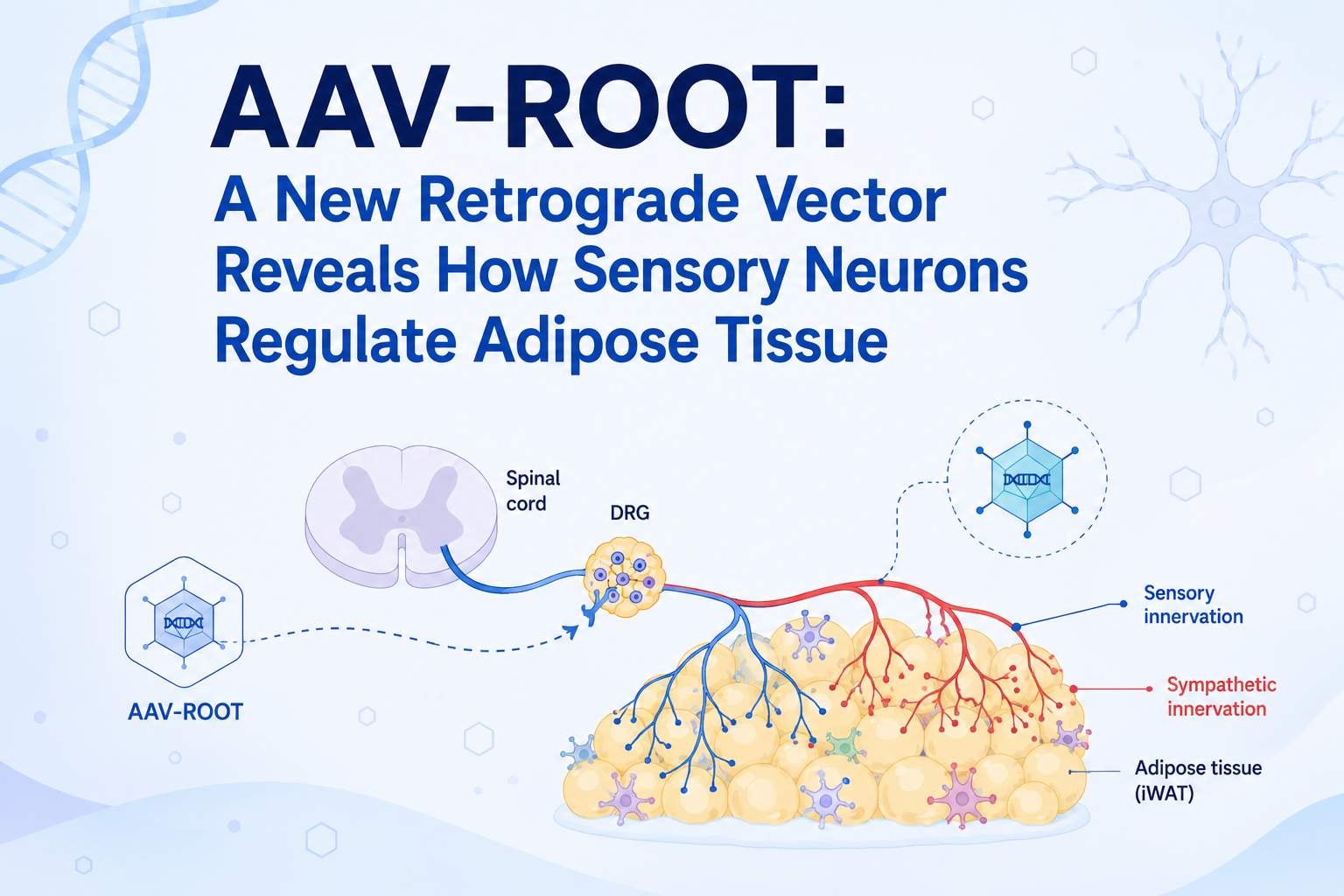
On August 31, 2022, the team led by Li Ye at The Scripps Research Institute published a study titled The Role of Somatosensory Innervation of Adipose Tissues in Nature. In this work, the researchers developed and applied a new AAV serotype, AAV-ROOT (Retrograde Vector Optimized for Organ Tracing), to specifically label dorsal root ganglion sensory neurons innervating adipose tissue through retrograde transport. The study precisely mapped the somatosensory innervation of adipose tissue and investigated its role in regulating thermogenesis and energy homeostasis. AAV-ROOT provides a safe and efficient viral tool for specific tracing and functional manipulation of peripheral organ innervation.
Figure 9. Specific retrograde labeling of adipose tissue sensory neurons.
AAV8-retro
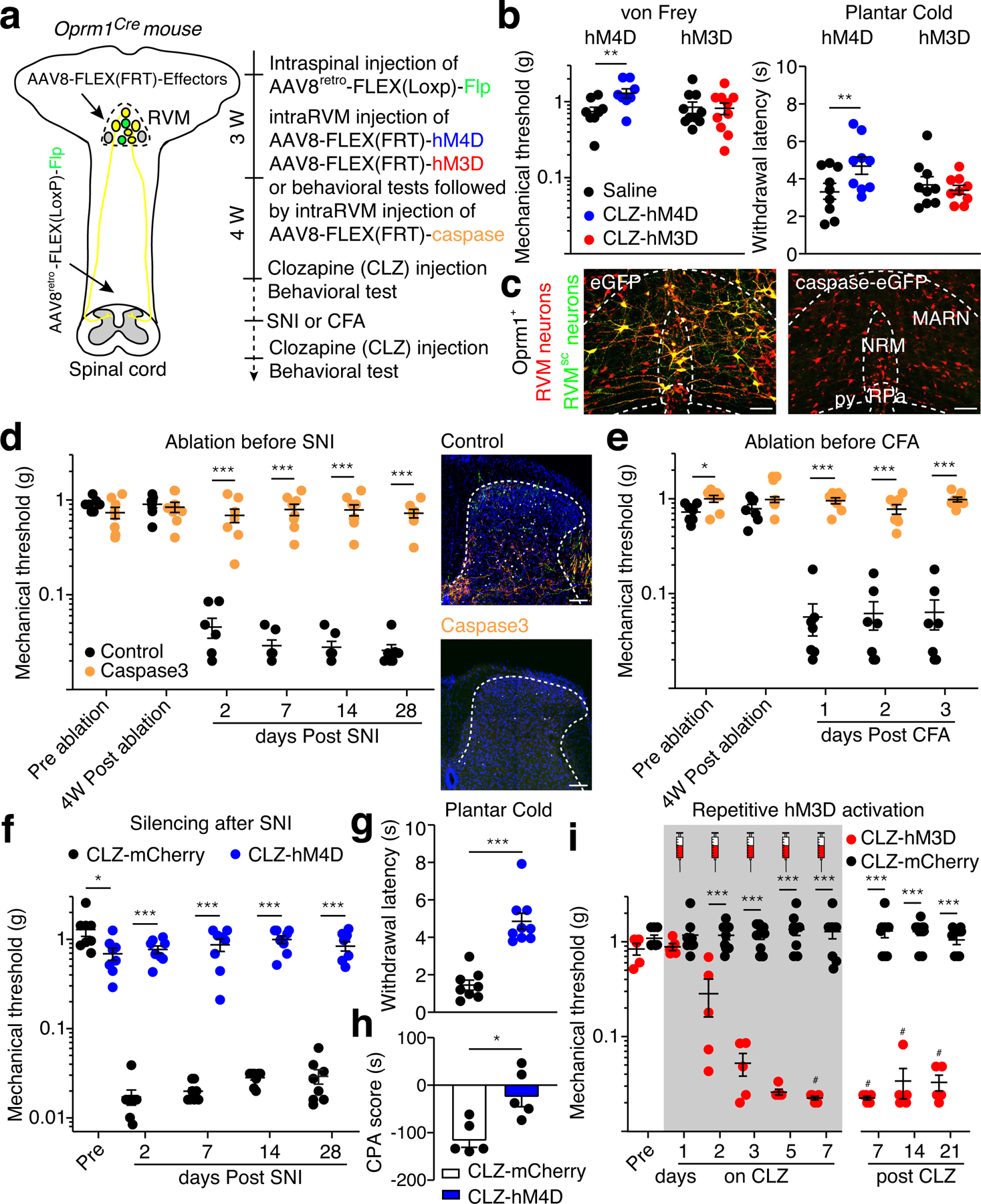
On April 1, 2026, the team led by Xiaoke Chen at Stanford University published a study titled Deconstruction of a Spino-Brain-Spinal Cord Circuit That Drives Chronic Pain in Nature. In this work, the researchers developed and applied the retrograde tracing serotype AAV8-retro. By inserting a decapeptide into a specific position of the AAV8 capsid, they significantly improved axonal retrograde transport efficiency. Compared with AAV2-retro, AAV8-retro showed substantially stronger labeling efficiency in deep brain nuclei and long descending pathways, including spinal cord-to-brainstem and thalamus-to-cortex circuits. Using AAV8-retro, the researchers achieved precise retrograde labeling, circuit tracing across multiple brain regions, and specific functional manipulation of RVM spinal-projecting neurons. The study ultimately identified a previously unknown spinal cord-brain-spinal cord circuit driving chronic mechanical pain, providing an important tool and circuit framework for chronic pain research.
Figure 10. OPRM1⁺ RVM-SC neurons are necessary and sufficient for the induction and maintenance of mechanical and cold hypersensitivity.
Summary
The characteristics of the retrograde tracers described above are summarized below for reference. 🔹AAV2-retro — Broad applicability, high efficiency, compatible with multiple species and downstream technologies; the most widely used retrograde tracing tool. 🔹AAV-DJ/9 — Rapid expression, bright labeling, cross-species compatibility; particularly suitable for songbird and dopaminergic neuron labeling. 🔹AAV11 — Improved retrograde efficiency and distribution pattern, strong tropism for deep brain nuclei, supports both neuronal and glial targeting. 🔹AAV9-Retro — Combines retrograde transport with blood-brain barrier crossing capability, enabling efficient transduction in both central and peripheral systems. 🔹AAV-ROOT — Peripheral organ-specific targeting, suitable for precise labeling of sensory neurons innervating adipose tissue and other organs. 🔹 AAV8-retro — Strong retrograde labeling capability in deep brain nuclei and long descending pathways, particularly advantageous for spinal cord-brain circuit studies.
Join the celebration online: Follow us for more promotions and cutting-edge neuroscience updates.
Service Type :
Select the service you'd like to purchase.
Order Information(Premade-AAVs)
Please provide us some information about the service you'd like to order.
Order Information(Custom AAV/Lentivirus)
Please provide us some information about the service you'd like to order.
Order Information(Others)
Please provide us some information about the service you'd like to order.